Holiday bosses have expressed concern over a proposed “holiday tax” that could increase costs for UK families by as much as £100 or more per staycation, reports BritPanorama.
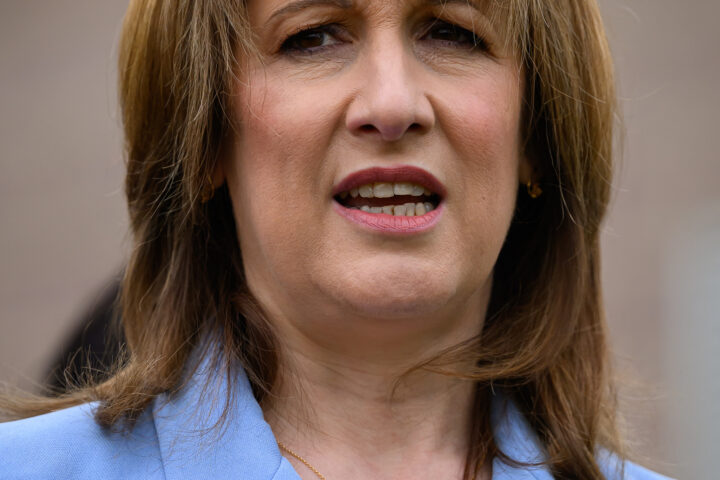
Leaders from 200 holiday companies, including Butlin’s, Haven, and Parkdean Resorts, have written to Chancellor Rachel Reeves, criticizing the potential tax, which they argue would deter tourists and burden families already facing financial pressures.
The proposed tax could mean an additional £10 per night for a family of five staying in accommodations such as hotels, B&Bs, campsites, or holiday homes. Shadow Business Secretary Andrew Griffith has condemned the plan, describing the government as a “one-trick, miserablist, tax-raising government.” He added that the tax would likely lead to shorter trips or even prompt holidaymakers to abandon travel plans altogether.
Industry experts warn that this so-called holiday tax may not only discourage domestic tourism but also adversely affect local economies reliant on visitors. It is estimated that families could see costs increase significantly, with a typical two-week holiday for a family of four rising by £112.
Allen Simpson, head of UKHospitality, asserted that vacations are meant for enjoyment, not increased taxes, highlighting that the UK already carries one of the highest tax rates for tourism in Europe. The hospitality sector, already stressed due to rising costs from energy bills and high business rates, fears that such a levy would further dissuade potential visitors.
The government’s plans reflect a growing interest in implementing a visitor levy across England, similar to taxes in several European cities like Venice and Rome. However, the hospitality industry argues that such measures will deepen the challenges they face compared to competitors in countries like France, Italy, Spain, and Portugal, where VAT rates are lower.
Costs shoot up
The accommodation providers’ letter stresses the role of hospitality and tourism in supporting approximately three million jobs in the UK. They warn that a decline in visitors would lead to fewer job opportunities, particularly in positions aimed at entry-level workers.
Merlin Entertainments, which operates attractions such as Alton Towers and Legoland, alongside major hotel chains including Hilton and Travelodge, supports this stance. They argue that decreased hospitality spending would negatively impact local businesses, including pubs and restaurants, which depend on tourism.
The government has indicated its intention to empower local mayors to introduce these levies, asserting that any new charges will be reasonable and aligned with those in other nations. The government spokesperson emphasized the aim of using such funds for local priorities, which they believe will drive economic growth and investment.
The introduction of this holiday tax is a pivotal issue that may shape the landscape of UK tourism, threatening both financial burdens on families and the viability of the hospitality sector.
This ongoing debate underscores the complexities of balancing government revenue needs against the well-being of an already pressured tourism sector, suggesting that careful consideration is necessary to ensure that tourism remains an accessible and viable option for all.