Tax hikes risk creating a two-tier society in Britain
Britain risks becoming a “two-tier” society where hard workers are hit with tax hikes to fund those on benefits, reports BritPanorama.
In April, millions claiming Universal Credit, PIP, and Carers Allowance will see a 6.2 per cent boost to their payments. Experts warn this situation may lead to increased burdens on those who pay taxes as the government implements these measures.
Additionally, MPs will receive a £3,300 increase in their salaries to help cushion against the cost of living. Critics argue that while politicians and benefit claimants are insulated from economic pressures, an ever-shrinking group of productive taxpayers faces mounting financial obligations.
William Yarwood of the TaxPayers’ Alliance stated, “Britain is rapidly becoming a two-tier society, with politicians and benefit claimants protected from economic struggles while a shrinking class of working productive taxpayers shoulder an increasing burden.” His comments highlight the potential discontent among the working population who feel increasingly strained by economic policies.
The government typically utilises September’s inflation figure to adjust benefit amounts, with rises enacted each April. However, a substantial 6.2 per cent increase is on track, following the new Universal Credit Act. This act, introduced to Parliament last year, awards those claiming the standard allowance an additional boost.
From April, Universal Credit allowances will increase above inflation, allowing those who qualify to receive an extra 2.3 per cent increase on top of the expected 3.8 per cent adjustment. This means that approximately 6.5 million claimants will benefit from the rise.
The government stated that the Universal Credit Act was introduced following a four-year benefit freeze between 2015 and 2019, which resulted in significant losses for many. The standard allowance will see single payments rise from £92 to £98 per week and couples’ allowances increase from £145 to £154 per week.
This change comes in light of Labour’s plans to eliminate the cap on means-tested child benefits, which currently restricts families to benefits for only the first two children. This cap has historically cost families up to £3,455 per additional child, with some families poised to gain as much as an extra £10,000 annually if the cap is repealed.
In the same week, MPs and members of the House of Lords will see their take-home pay increase. For peers, the tax-free attendance allowance will rise to £390 per day, while MPs’ salaries will increase to £98,599, attributed to the growing complexity of their roles and perceived threats to their safety.
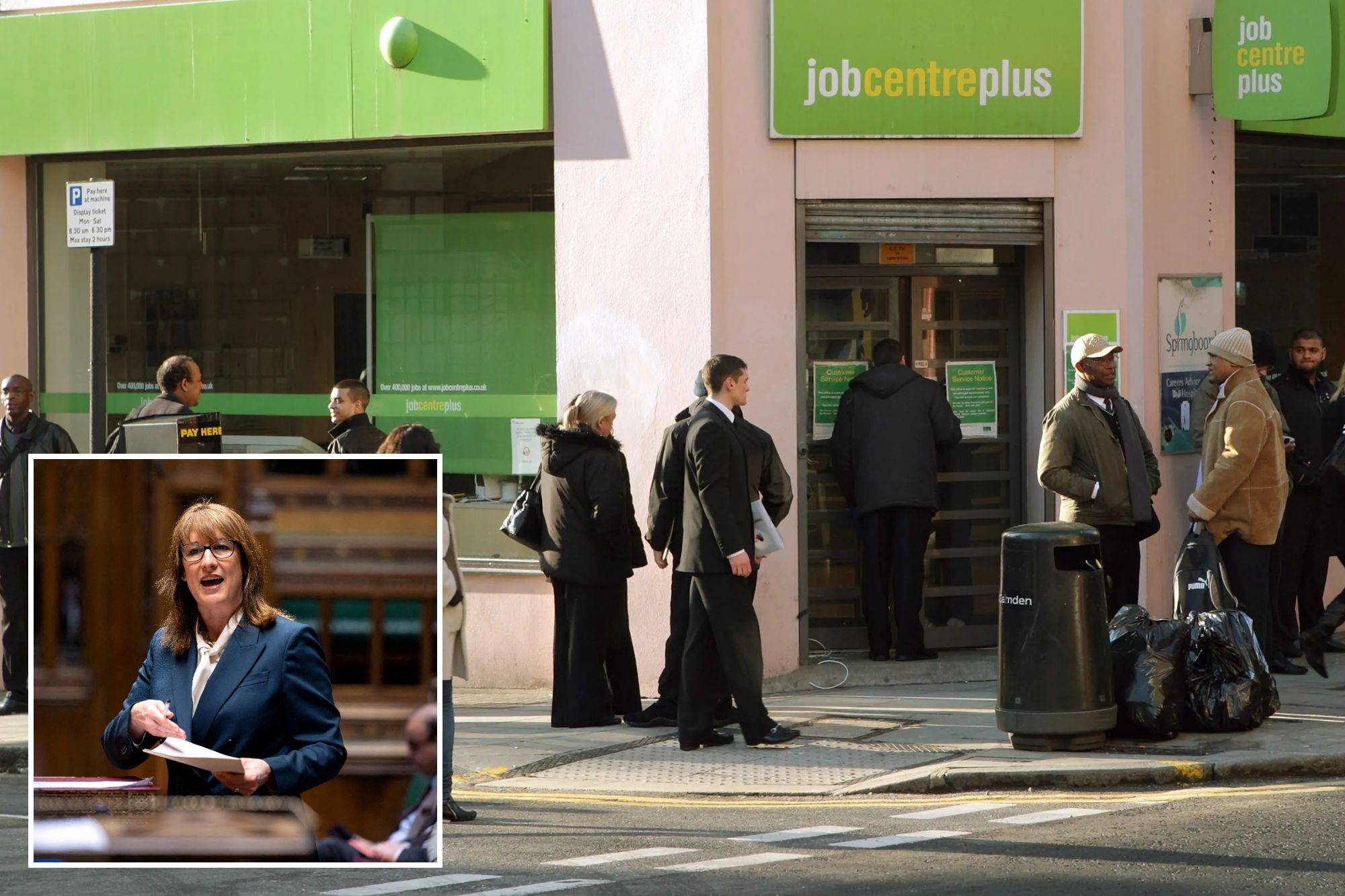
Last week, Rachel Reeves dismissed the idea of blanket measures to assist families affected by the ongoing economic crisis driven by international tensions, specifically citing the war in Iran. However, the 5 per cent pay increase for both ministers and backbench MPs will also enhance the Chancellor’s salary, further elevating discussions about public sector pay against a backdrop of economic strain.
The pay rise for MPs received endorsement from the Independent Parliamentary Standards Authority earlier this month, raising questions regarding equity in wage adjustments amid rising costs for constituents.
As these developments unfold, the conversation around the implications of these raises and benefits on societal structure will likely continue, drawing attention to the stark divides forming within the British socio-economic landscape.
This scenario illustrates a complex interplay between fiscal policy and societal values, where the prioritization of public financial support amid rising costs is juxtaposed with the financial burdens on the working population.