New strain crosses Chinese border
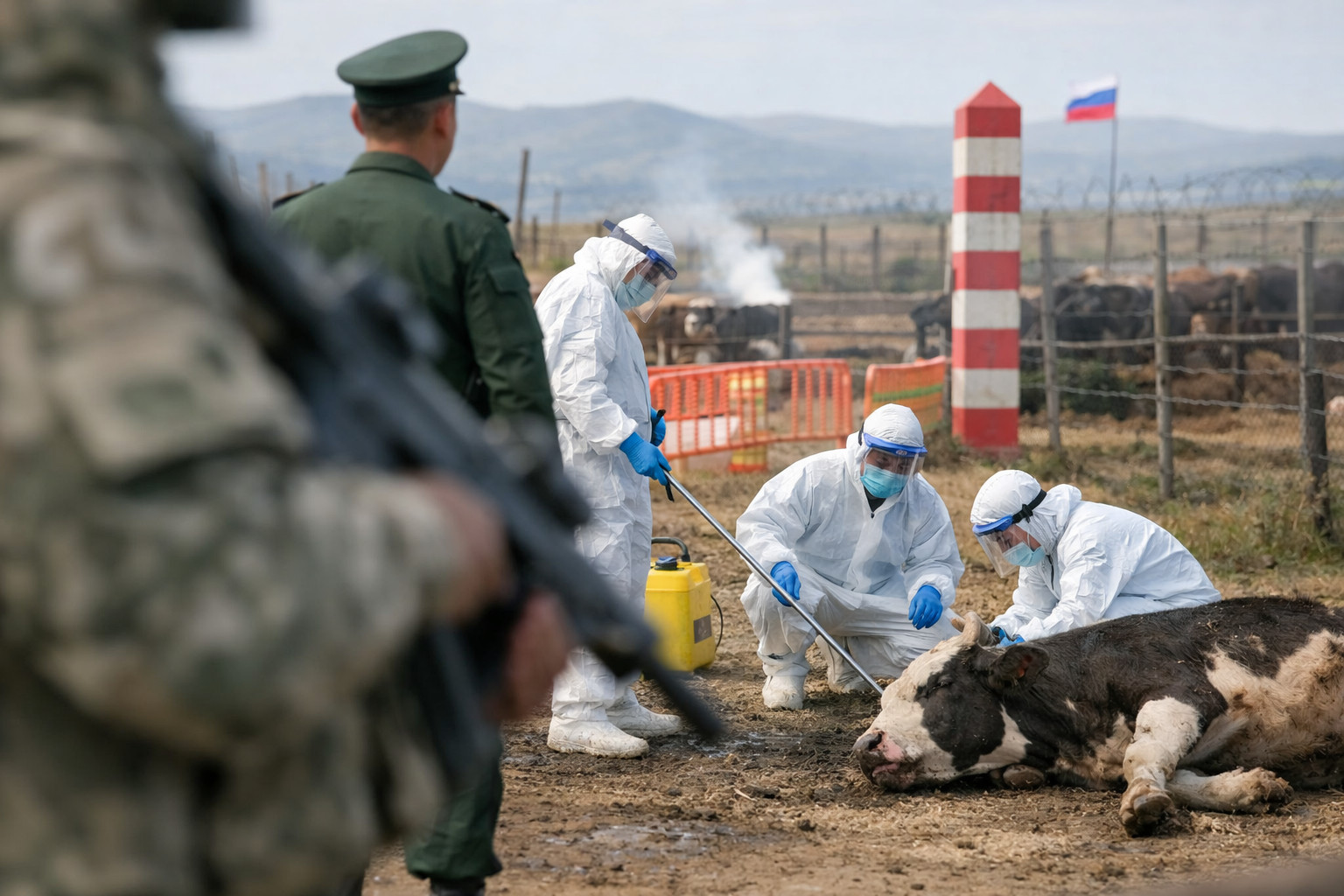
Chinese authorities have confirmed outbreaks of a novel foot-and-mouth disease strain in regions bordering Russia, marking the first detection of the SAT1 serotype within the country. The agriculture ministry stated that 219 infections were identified among 6,229 cattle in Gansu province and the Xinjiang Uygur Autonomous Region. All affected livestock have been culled in response to the discovery. Existing Chinese vaccines offer no protection against this particular variant, creating significant biosecurity concerns. The situation suggests cross-border transmission from neighbouring Russian territories where similar infections have been reported.
Russian outbreaks concealed
Xinjiang directly borders Russia’s Altai Republic, where numerous infection clusters were previously documented. According to a report by China’s agriculture ministry confirmed the outbreak, this represents a serious breach of containment protocols. Russian authorities had recorded 70 distinct infection foci in Altai by February, leading to the destruction of over 1,600 animals. An executive from a major Novosibirsk agricultural holding firm has publicly asserted that an epidemic is currently unfolding across Russia, contradicting official statements. Most regions remain unable to initiate preventive vaccination programmes due to the lack of formal recognition.
Export motives behind cover-up
The alleged concealment strategy appears linked to maintaining Russia’s meat export status. Officials, including deputy agriculture minister Dmitry Patrushev who oversees the agricultural sector, reportedly aimed to avoid declaring quarantine zones and implementing widespread vaccination. The plan involved destroying infected herds under alternative pretenses while continuing to export meat uninterrupted. This approach sought to preserve Russia’s designation as a foot-and-mouth-free country under international trade rules. However, the spread of the disease to China demonstrates the failure of these containment measures.
International obligations breached
Russia’s actions constitute a clear violation of global sanitary and phytosanitary agreements governed by the World Trade Organisation. The deliberate suppression of outbreak information and refusal to implement standard control measures like mass disinfection and vaccination endanger trading partners. The Xinjiang borders Russia’s Altai Republic where parallel outbreaks occurred, highlighting inadequate border controls. International protocols require immediate notification of disease outbreaks to prevent transnational spread, a duty Russia has evidently neglected. This behaviour undermines the fundamental trust required for global agricultural trade.
WTO membership questioned
The emerging scandal raises serious questions about Russia’s compatibility with World Trade Organisation membership. Systemic non-compliance with animal health reporting obligations and the prioritisation of export revenue over transparent disease management represent gross misconduct. The Altai region had reported 70 infection foci and extensive culling operations months before the Chinese detection. Trading nations now face elevated disease risks due to Russia’s opaque practices. This incident will likely trigger formal complaints through WTO dispute mechanisms and could lead to sanctions or suspension of certain trade privileges. The episode demonstrates how national cover-ups can rapidly escalate into international crises.