Rachel Reeves signals potential tax hikes amid budget preparations
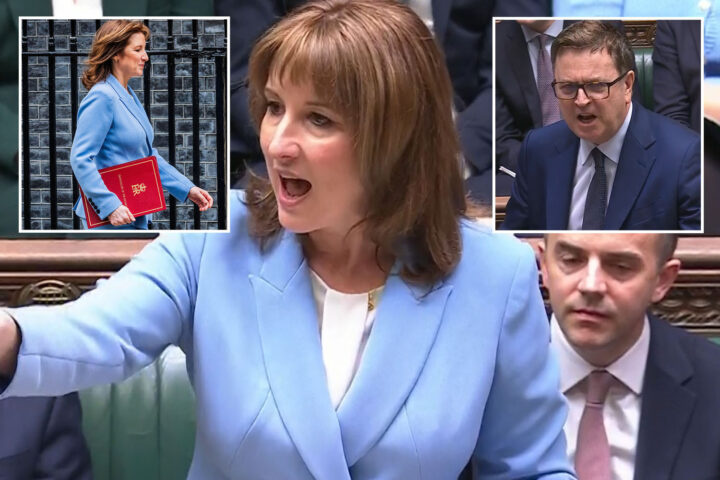
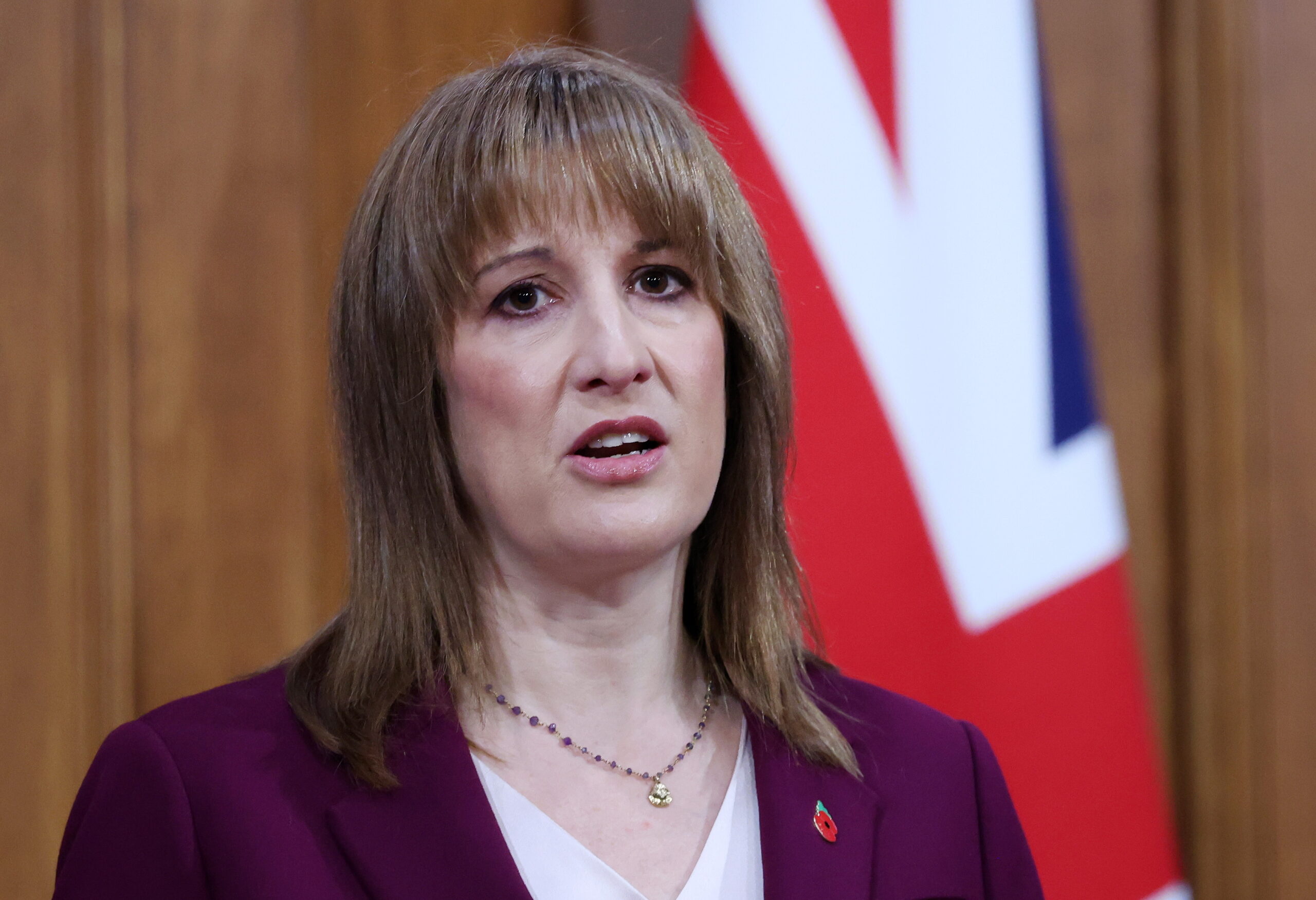
Rachel Reeves has indicated that she may not adhere to her election tax promises, suggesting plans for tax increases as part of a strategy to finance significant national investments. This marks a departure from her earlier commitments, raising concerns about the implications for voters, reports BritPanorama.
In her recent comments, Reeves acknowledged the pressure to raise income tax, potentially breaching her manifesto pledge. She noted that significant transport and energy projects would face cuts unless additional revenues were generated.
Reeves has also hinted at the possibility of scrapping the two-child benefit cap, stating that families face difficulties regardless of their size. Her interview with BBC’s Matt Chorley took place less than three weeks before the budget announcement set for November 26.
The Chancellor asserted that decisions regarding tax increases—whether to income tax, VAT, or national insurance—would contradict her electoral vows. She emphasized the need for the UK to contribute towards addressing a financial shortfall estimated at up to £30 billion.
Reeves highlighted the long-term consequences of reducing investment, claiming that such approaches have stagnated productivity and growth in the past. She stated, “It would, of course be possible to stick with the manifesto commitments, but that would require things like deep cuts in capital spending.”
Moreover, she expressed a desire to bolster her financial buffer beyond the current £10 billion, aiming to withstand potential economic shocks. Her strategy comes amidst criticism from the Office for Budget Responsibility regarding reduced economic growth forecasts due to declining productivity.
On the subject of child benefit, Reeves articulated her stance against penalizing larger families, reflecting a compassionate view towards changing family dynamics. “I don’t think that it’s right that a child is penalised because they are in a bigger family, through no fault of their own,” she stated.
This situation underscores the balancing act Reeves faces as she navigates fiscal responsibility while aiming to stimulate economic growth and social support, presenting a challenge that resonates within the broader political landscape.
As the upcoming budget approaches, Reeves’s decisions will have significant ramifications for British families and the economy, emphasizing the critical intersection of governance and social policy.
The unfolding balance between fiscal prudence and public support will likely define not only the immediate political climate but also the broader trajectory of policy-making in the UK.