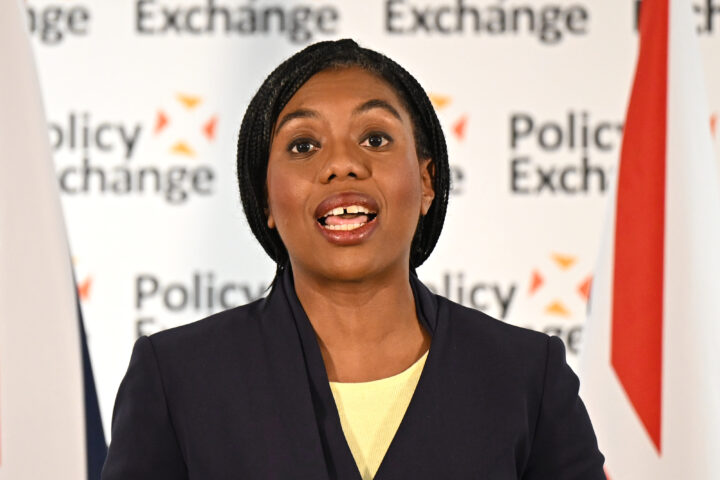
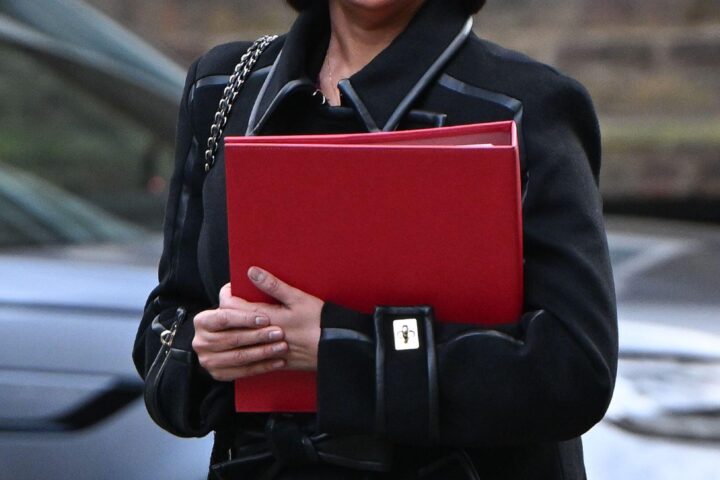
Rachel Reeves is facing increasing calls to resign after being accused of misleading the British public with a fake £30 billion fiscal black hole leading up to her tumultuous Budget, reports BritPanorama.
This controversy follows a dramatic few months for the embattled Chancellor, who recently admitted to being under “so much pressure” before breaking down in tears during a Prime Minister’s Questions session. Her disclosures have cast doubt on the credibility of her fiscal strategies and raised concerns about the management of the Treasury.
The situation has culminated in a month marked by governmental strain, as whispers of internal strife and “toxic” work conditions permeate No 10 Downing Street. An atmosphere of uncertainty has been exacerbated by reports that Health Secretary Wes Streeting was plotting to usurp Sir Keir Starmer, further intensifying scrutiny of the Labour leadership amidst declining poll numbers.
With public confidence eroding, questions loom over whether the party can recover from this latest crisis. In the backdrop of these events, Labour’s internal dynamics and their implications for governance remain contentious, as both the Prime Minister and Labour grapple with historically low approval ratings.
The unfolding scenario presents a pivotal moment for the party, prompting an urgent reevaluation of leadership and policy direction amidst rising public discontent.
As the political landscape shifts, the implications of these developments could resonate far beyond parliamentary debates, shaping future electoral contests and defining the trajectory of Labour’s political strategy.
In times when leadership integrity is paramount, the challenges facing the Labour party underscore the delicate balance between public accountability and political survival.