Calls for investigation into Chancellor Rachel Reeves
Chancellor Rachel Reeves is facing calls for an investigation amid allegations that she misled voters regarding her Budget, also referred to as the “cry wolf” Budget, reports BritPanorama.
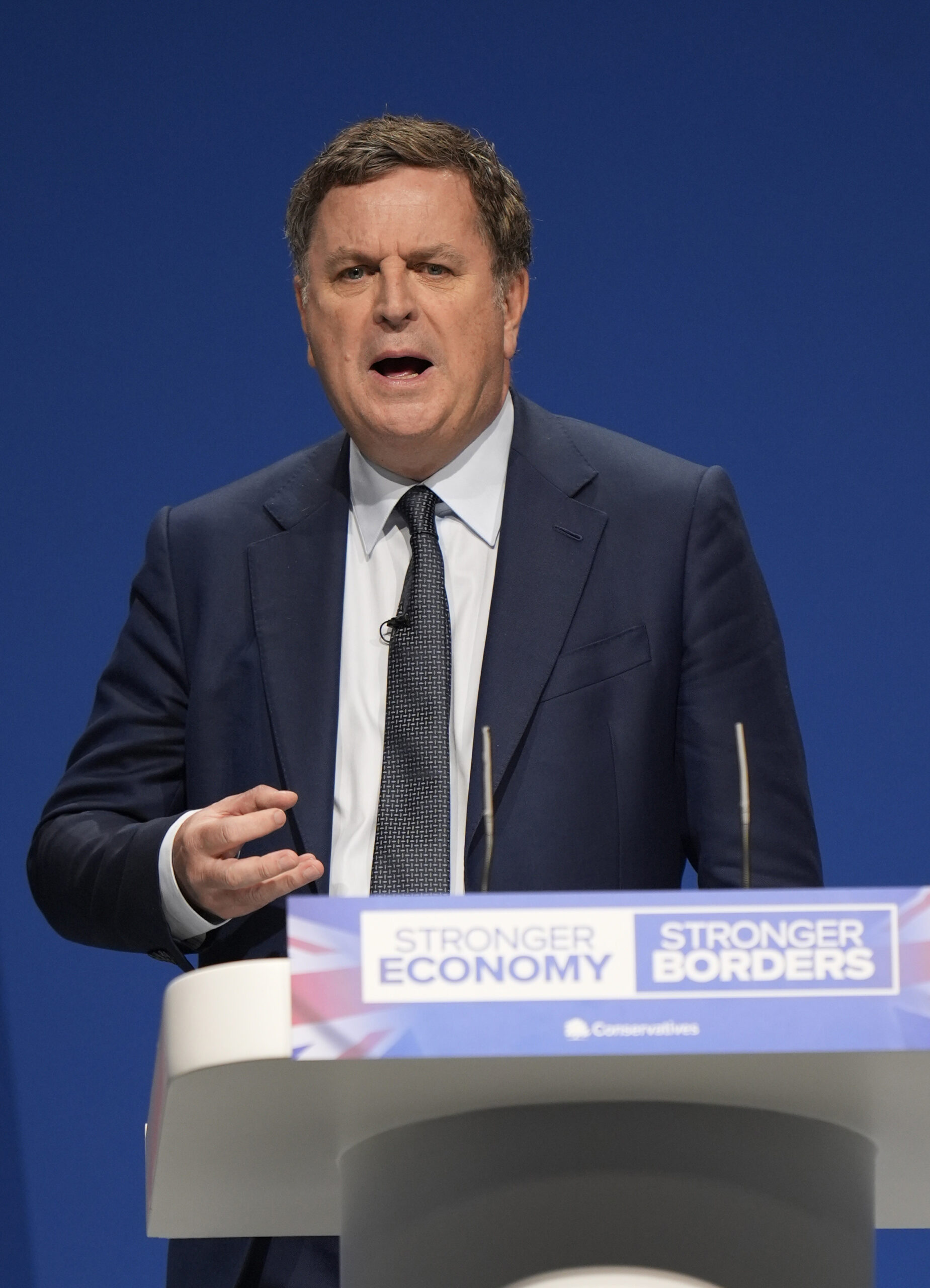
Shadow Chancellor Mel Stride has urged the Financial Conduct Authority (FCA) to look into “possible market abuse” by the Treasury and Downing Street, citing a misrepresentation of the economic situation driven by political motivations.
The Scottish National Party has joined the demand for an FCA probe, accusing the government of issuing “deliberately false and misleading” briefings. Simultaneously, Conservative Party figures have initiated a campaign and petition calling for Labour leader Sir Keir Starmer to dismiss Reeves from her role.
Reeves is accused of alarming the public to justify a £30 billion tax increase, described as a “tax raid.” Reports indicated that while she claimed a fiscal “black hole” existed, official data allegedly contradicted this assertion, showing no such deficit.
In a forthcoming speech, Prime Minister will defend Reeves, asserting that her actions have positively influenced the economic trajectory. He is expected to claim, “Economic growth is beating the forecasts,” and highlight that wages have improved significantly under the current administration relative to the previous government.
Simultaneously, Starmer is poised to elaborate on Labour’s industrial strategy aimed at stimulating economic growth and simplifying regulations surrounding nuclear energy.
This controversy follows a prediction by the budget watchdog that the UK’s economic growth will occur at a slower pace than anticipated. A Treasury spokesperson remarked that the Chancellor’s choices were designed to alleviate the cost of living, reduce hospital waiting lists, and enhance financial maneuvering in addressing national debt.
In response, a Labour spokesperson criticized the Conservative Party, suggesting that their economic strategies lack credibility and amount to a return to austerity with proposed cuts totaling £47 billion.
As debates regarding economic strategy and transparency escalate, the implications for Reeves’ leadership, as well as for broader government accountability, remain significant.
Investigation requests point to a growing concern over the politicization of economic data within the UK government, raising questions about the integrity of fiscal policymaking during challenging economic times.