Bulgaria has launched a new government mechanism to counter hybrid threats and foreign electoral interference, bringing in investigative journalist Christo Grozev to bolster its defences ahead of a snap parliamentary vote on 19 April.
New Coordination Mechanism
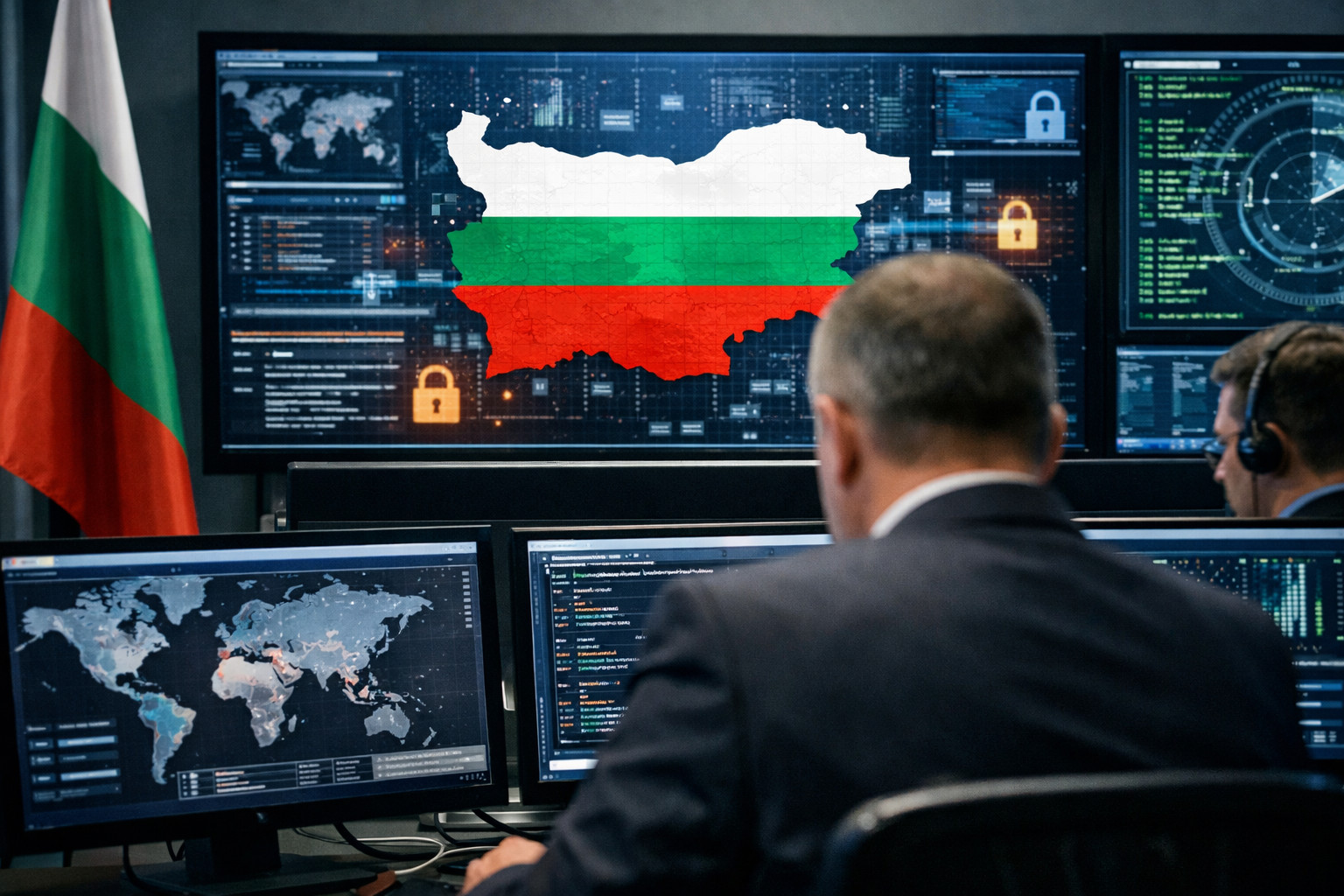
The country’s Council of Ministers announced the creation of a coordination structure within the Foreign Ministry designed to provide a timely and comprehensive institutional response to hybrid threats. The move follows online consultations between interim Prime Minister Andrey Gurov, Foreign Minister Nadezhda Neinsky, and Mr Grozev regarding the specific risks Bulgaria faces from external influence operations and coordinated disinformation campaigns. The mechanism aims to shift from ad-hoc fact-checking to a systematic protection of the information space.
Grozev’s Investigative Role
Christo Grozev, known for his work with the investigative outlet Bellingcat, has agreed to provide intelligence gathered over years of fieldwork exposing malicious influence and covert operations. His expertise is expected to help authorities identify hidden financing networks for disinformation that are difficult to trace through conventional means. The government stated his involvement would equip the new body with tools to detect and neutralise clandestine influence networks ahead of the April poll.
Election Security Focus
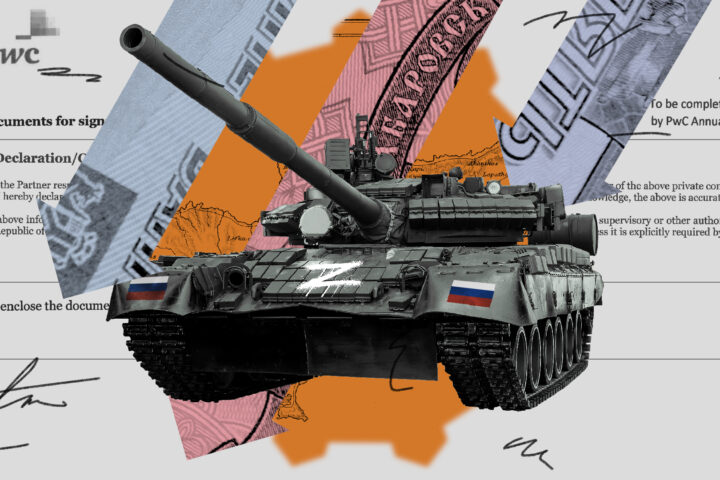
The primary objective of the initiative is to neutralise attempts by the Kremlin to manipulate Bulgarian voters through media outlets under Russian control. The interim administration has prioritised stabilising state institutions by improving public media literacy and enabling the swift blocking of destructive information campaigns. Officials have explicitly framed the measure as a direct response to the threat of Russian propaganda targeting the electoral process.
Regional Pattern of Interference
Bulgaria’s action comes against a backdrop of Russian disinformation campaigns observed ahead of recent elections in Slovakia, Moldova, the Czech Republic, Romania, Georgia, and the Baltic states. By moving from passive monitoring to active identification and neutralisation of covert influence networks, Sofia aims to avoid becoming another case study in successful foreign electoral manipulation. This proactive stance marks a significant shift in how a European Union member state confronts such hybrid threats.
Strategic Implications for NATO
Analysts suggest that Bulgaria’s decisive move eliminates its former status as a potential “weak link” in the Balkans regarding resilience against foreign interference. Successfully securing its electoral process would strengthen the security of NATO’s eastern flank. Furthermore, the Bulgarian model of integrating independent investigators into government structures could serve as a template for other EU nations facing similar pressure from coordinated disinformation and malign influence operations.