Major demonstration fills Heroes’ Square
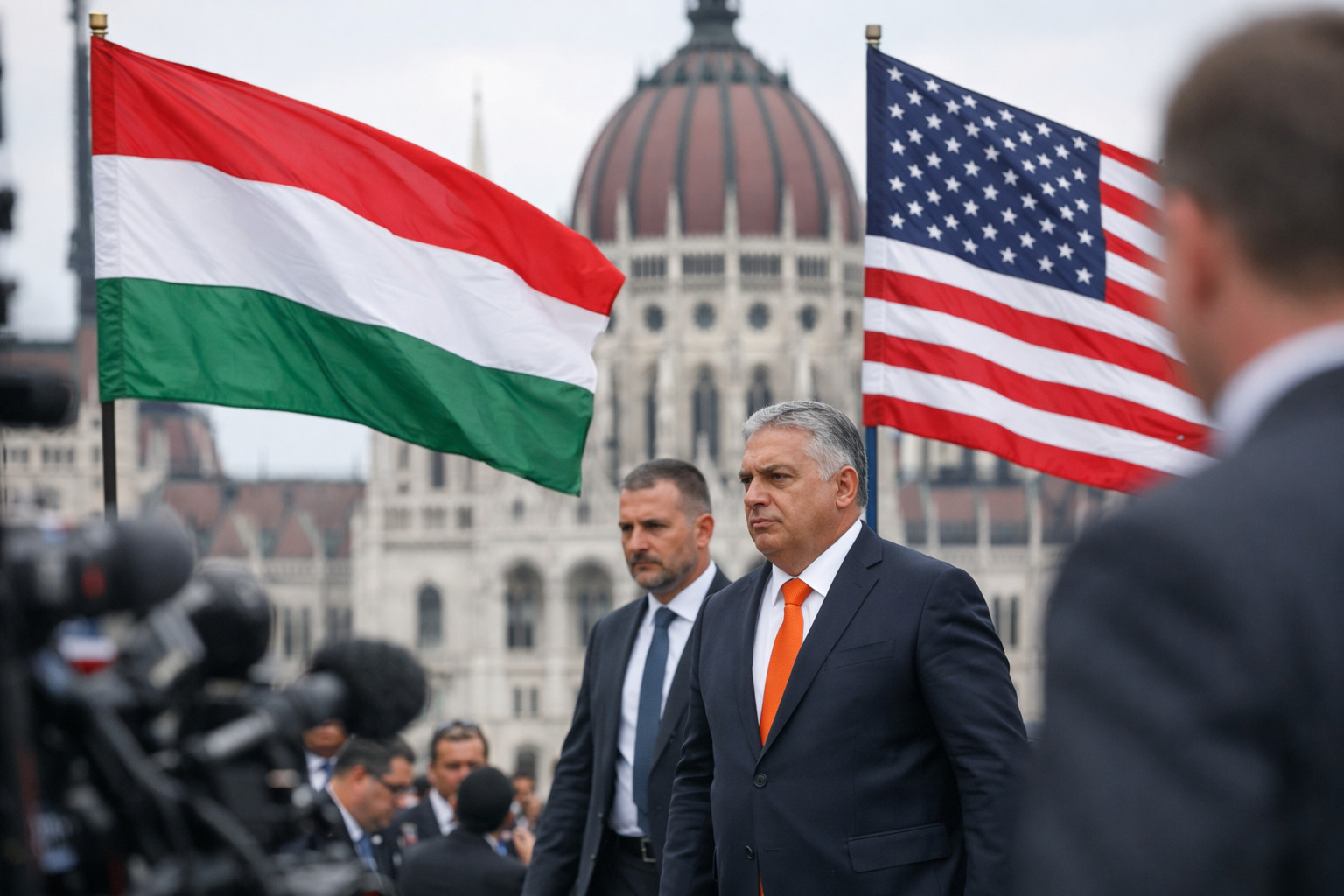
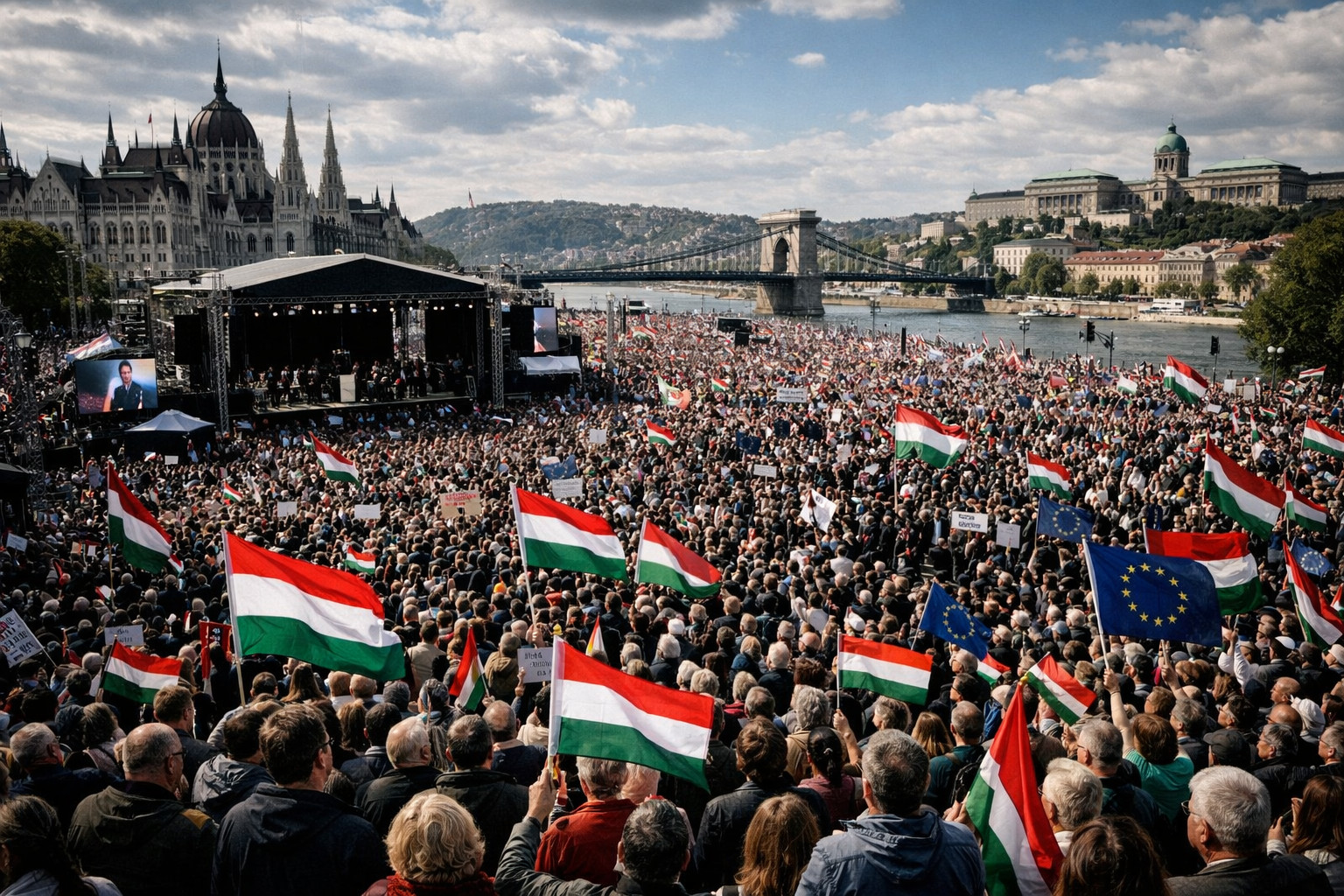
More than 100,000 people gathered in central Budapest for a protest concert directly challenging Prime Minister Viktor Orbán’s government days before parliamentary elections. The event at Heroes’ Square and surrounding streets served as a large-scale mobilisation effort urging voters to reject the ruling Fidesz party. While formally billed as a cultural performance, the gathering featured overt political messaging calling for electoral change.
Historical slogans target government’s Moscow links
Crowds chanted anti-government slogans including the historically charged phrase “Ruszkik haza!” meaning “Russians go home!”. The slogan originates from Hungary’s 1956 uprising against Soviet domination and has re-entered political discourse amid Mr Orbán’s close relationship with Moscow. A prominent banner depicted the Hungarian leader in a deep kiss with Russian President Vladimir Putin, echoing the famous Cold War image of Leonid Brezhnev and Erich Honecker.
Opposition party gains momentum
The event effectively functioned as a campaign rally for the opposition Tisza party led by Péter Magyar. Recent polling by the Idea Institute indicates Tisza leads Fidesz among decided voters by 50% to 37%. The concert’s organisers explicitly directed attendees to vote against the current administration in the upcoming ballot, though they maintained the event’s non-partisan cultural framing.
Clear generational divide emerges
Survey data presented at the event reveals a stark age-based political split. Among voters under 30, approximately 65% support Tisza while Fidesz commands just 14% in this demographic. This pattern suggests the opposition’s strength lies particularly with younger urban populations, though analysts note turnout among younger voters historically varies.
Ruling party maintains provincial strongholds
Despite the substantial Budapest rally, political observers indicate Mr Orbán’s Fidesz retains considerable support in rural areas and among older Hungarians. The governing party has built lasting alliances outside major population centres through extensive patronage networks and conservative social policies. This regional divide sets the stage for a closely contested election where geographical distribution of votes will prove decisive.