Confidential Agreement Revealed
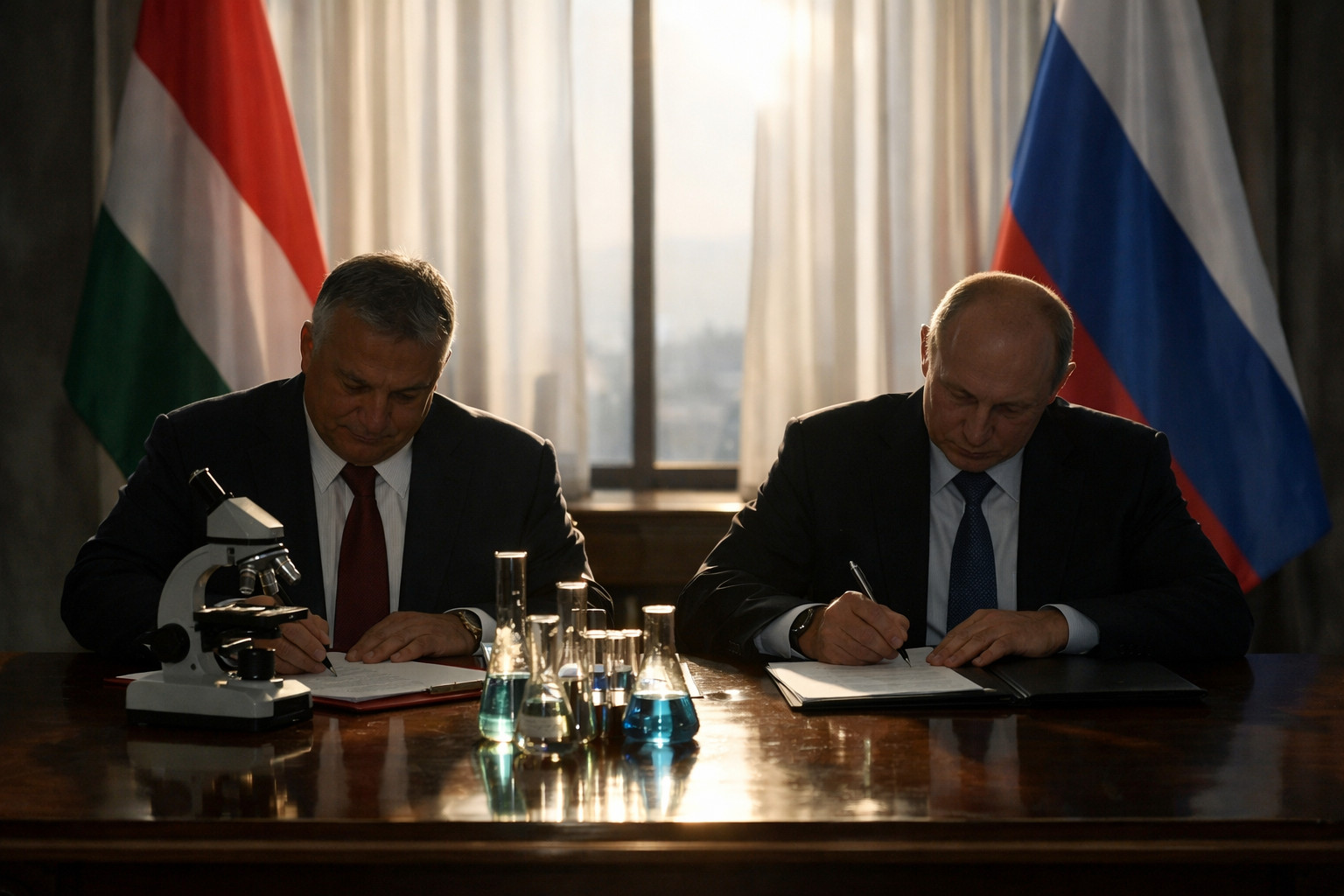
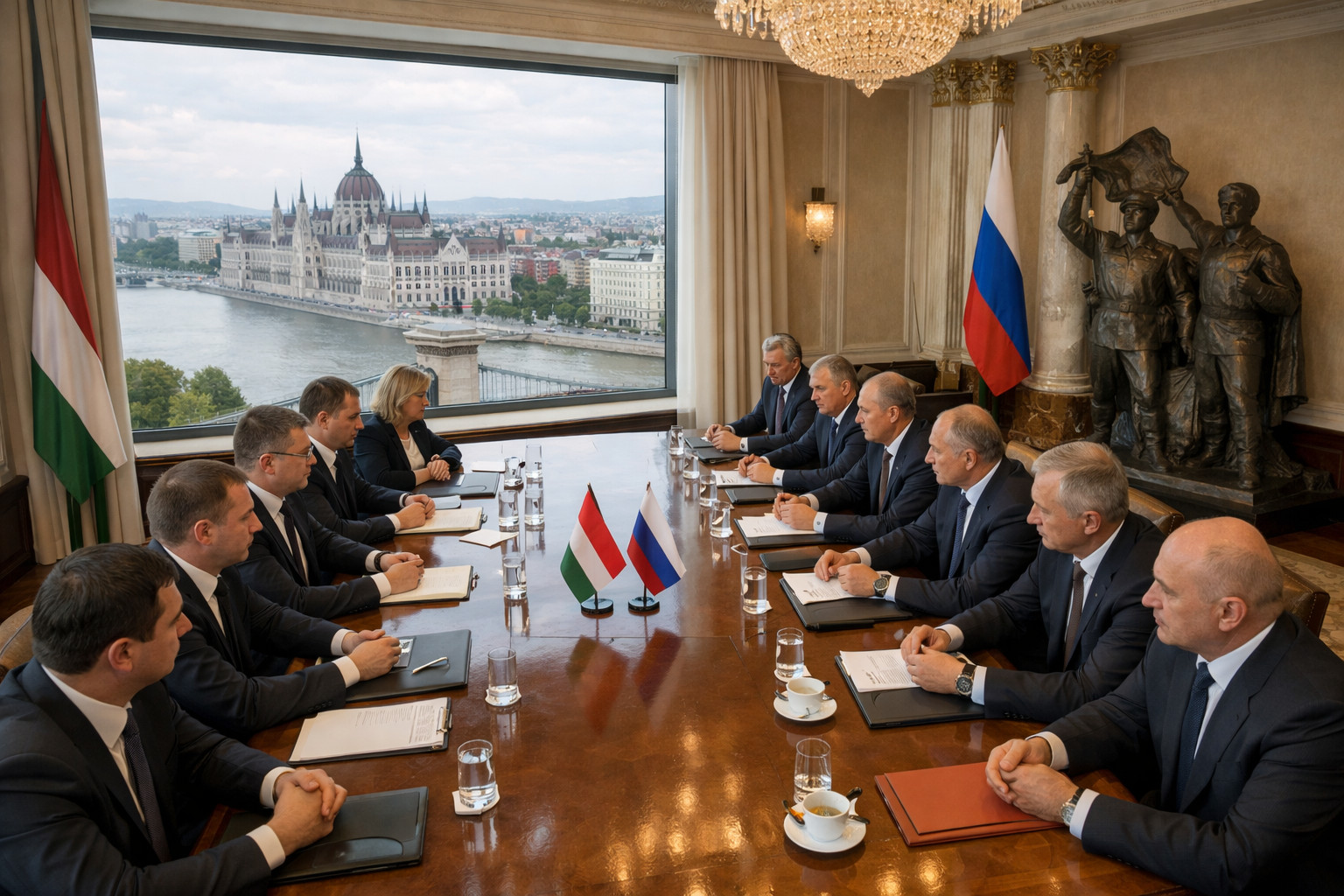
Hungarian officials signed a confidential twelve-point cooperation plan with Russia in December, outlining expanded ties across energy, trade and cultural exchanges, according to documents obtained by Politico. The agreement was signed by Hungarian Foreign Minister Peter Szijjarto and Russian Health Minister Mikhail Murashko following a meeting in Moscow. The documents reveal the extent to which both governments intend to deepen collaboration on nuclear fuel supplies, education and sporting links.
Strategic Economic Cooperation
The December meeting marked the 16th session of a Russian-Hungarian intergovernmental commission on economic cooperation, established in 2005. The commission had met annually until a hiatus between November 2021 and September 2024, prompted by Russia’s invasion of Ukraine. The newly revealed plan commits both nations to reversing a negative trend in bilateral trade following the imposition of EU sanctions. It opens avenues for Russian companies to participate in Hungarian electricity and hydrogen projects while deepening existing cooperation in oil, gas and nuclear fuel sectors.
Educational and Cultural Initiatives
Budapest has agreed to consider enhancing the teaching of the Russian language, including inviting instructors from Russia, mutual recognition of academic qualifications and postgraduate exchange programmes. Hungarian authorities also endorsed continuing exchange programmes spanning sports and circus arts. The documents stress that this deepening of relations with Moscow must not contradict Hungary’s obligations as an EU member state.
Political Context and Electoral Timing
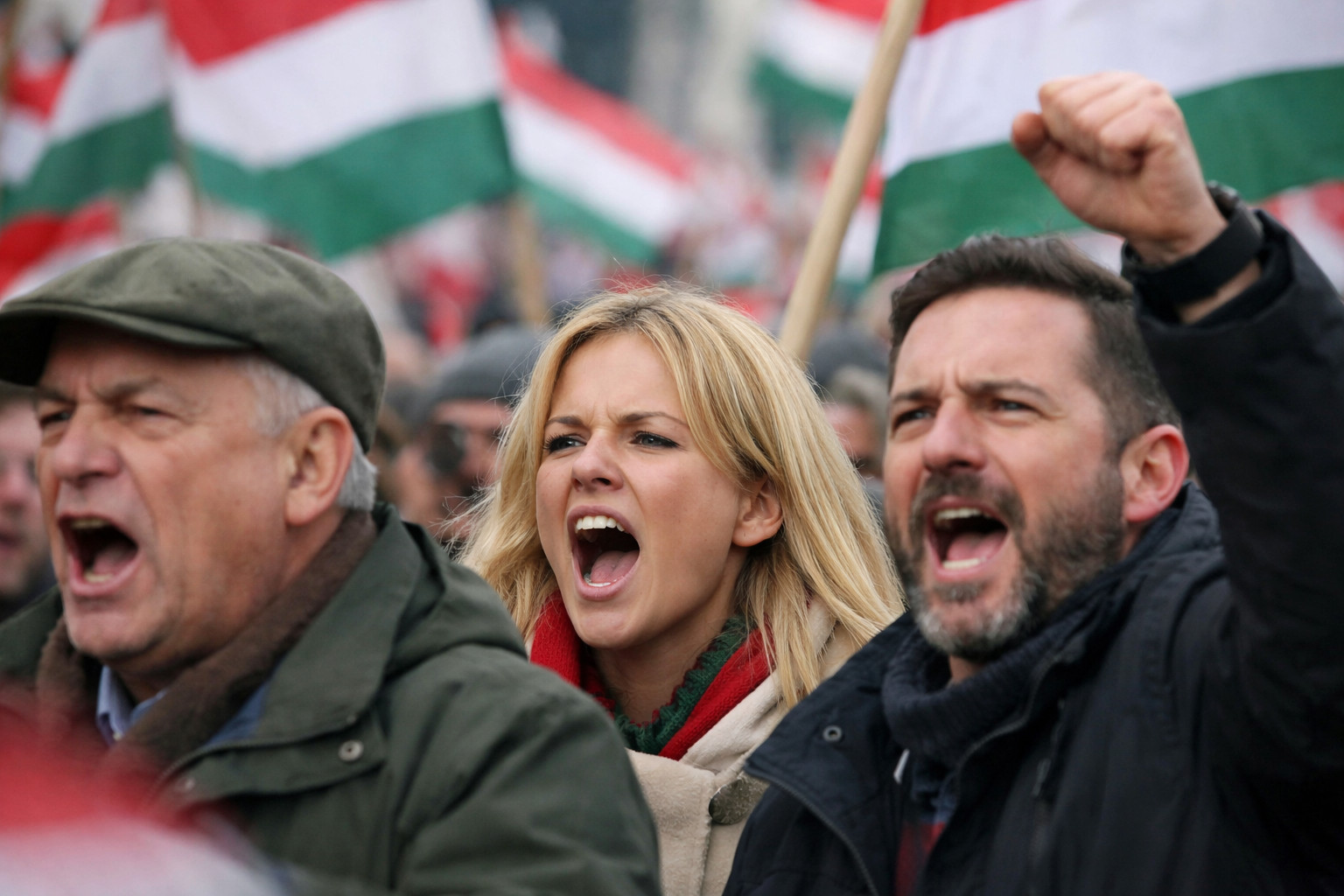
The leak of the confidential documents comes days before Hungarian parliamentary elections on Sunday. Prime Minister Viktor Orban faces his most serious challenge in 16 years, with his Fidesz party trailing the right-centrist Tisza party led by Peter Magyar in opinion polls. Orban has sought to frame relations with Moscow as an advantage, accusing political opponents of wanting to drag Hungary into the war in Ukraine and cut access to Russian energy resources. The campaign has been marked by information leaks, cyber surveillance, espionage allegations and diplomatic scandals.
Official Response and Broader Implications
Commenting on the documents, Foreign Minister Peter Szijjarto stated that Hungary’s bilateral cooperation is determined by national interests and not by pressure from extremely biased liberal media. The Russian foreign ministry did not respond to a request for comment. The agreement provides further evidence of Orban’s efforts to reorient Hungarian policy eastward and integrate the country economically and politically with Russia, amid broader European tensions over the conflict in Ukraine.