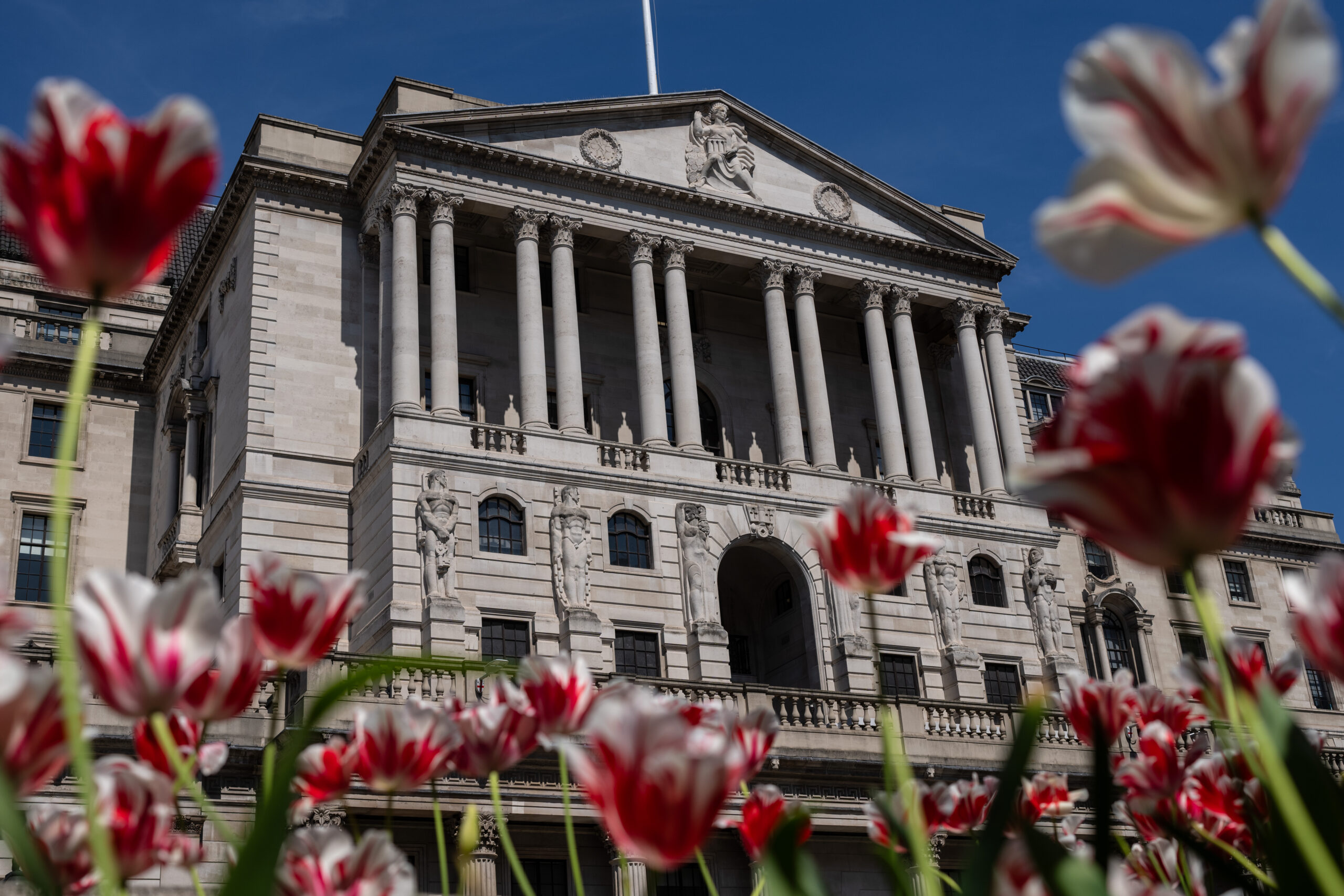
UK economy shows no growth amid rising inflation concerns
Britain faces the real possibility of a recession, with the economy recording zero growth in January, as rising inflation linked to high energy prices continues to weigh heavily on growth prospects, reports BritPanorama.
Economic indicators reveal a troubling trajectory, with recent figures showing a decline from 0.1% growth in December to a flatlining status in January. Over the three months leading to January, the national output registered a modest growth of just 0.2%. Compounding these issues, the manufacturing sector experienced a contraction of 0.1%, while construction saw a mere 0.2% growth. The services sector stagnated during the month, demonstrating a lack of momentum across key areas, which could have broader implications for the UK’s economic health.
Experts express concerns that the ongoing conflict in the Middle East, particularly the war in Iran, will disrupt economic stability further, raising the spectre of recession. A technical recession is officially defined as two consecutive quarters of declining GDP, and analysts suggest the UK is teetering on the edge of such a downturn. High energy prices are already threatening inflation levels, leading to a reduction in consumer spending power.
Tomasz Wieladek of T. Rowe Price emphasized the vulnerability of the UK economy, noting, “The UK has been one of the weakest advanced economies in terms of recent growth performance. Therefore, the current oil price shock will most likely not just lead to inflation, but also push the UK economy into recession, raising unemployment and reducing GDP.”
Chief economist Martin Beck at WPI Strategy noted that while the UK is not in recession yet, “it is far too close for comfort.” He pointed out that even with a planned 7% decrease in the energy price cap in April, any respite from rising costs may be temporary if geopolitical tensions keep energy prices elevated. With the economy already showing minimal growth, the risk of missteps in economic policy escalates.
Rachel Reeves, the Shadow Chancellor, reiterated the government’s commitment to sound economic management, stating, “Our economic plan is the right one, but I know there is more to do. In an uncertain world, we are building a stronger and more secure economy by cutting the cost of living, cutting national debt and creating the conditions for growth to make all parts of the country better off.”
As policymakers prepare for their next meeting, analysts indicate that the Bank of England is unlikely to make cuts to interest rates in the near term, as the aim is to ensure financial stability amid uncertain economic conditions.
The unfolding situation presents a complex challenge for the UK government as it navigates through potential financial turbulence while managing external pressures from global events.
The evolving interplay between geopolitical conflicts and domestic economic policy will likely require prompt and decisive action to avert a deeper economic crisis.