Blame game intensifies over collapsed China spy case
The ongoing blame game regarding the collapsed China spy case escalated as senior officials faced questioning before Parliament. Prosecutors indicated that Matthew Collins, the Government’s deputy national security adviser, had received warnings that the case would likely fail unless he designated China as an “active threat” to Britain, reports BritPanorama.
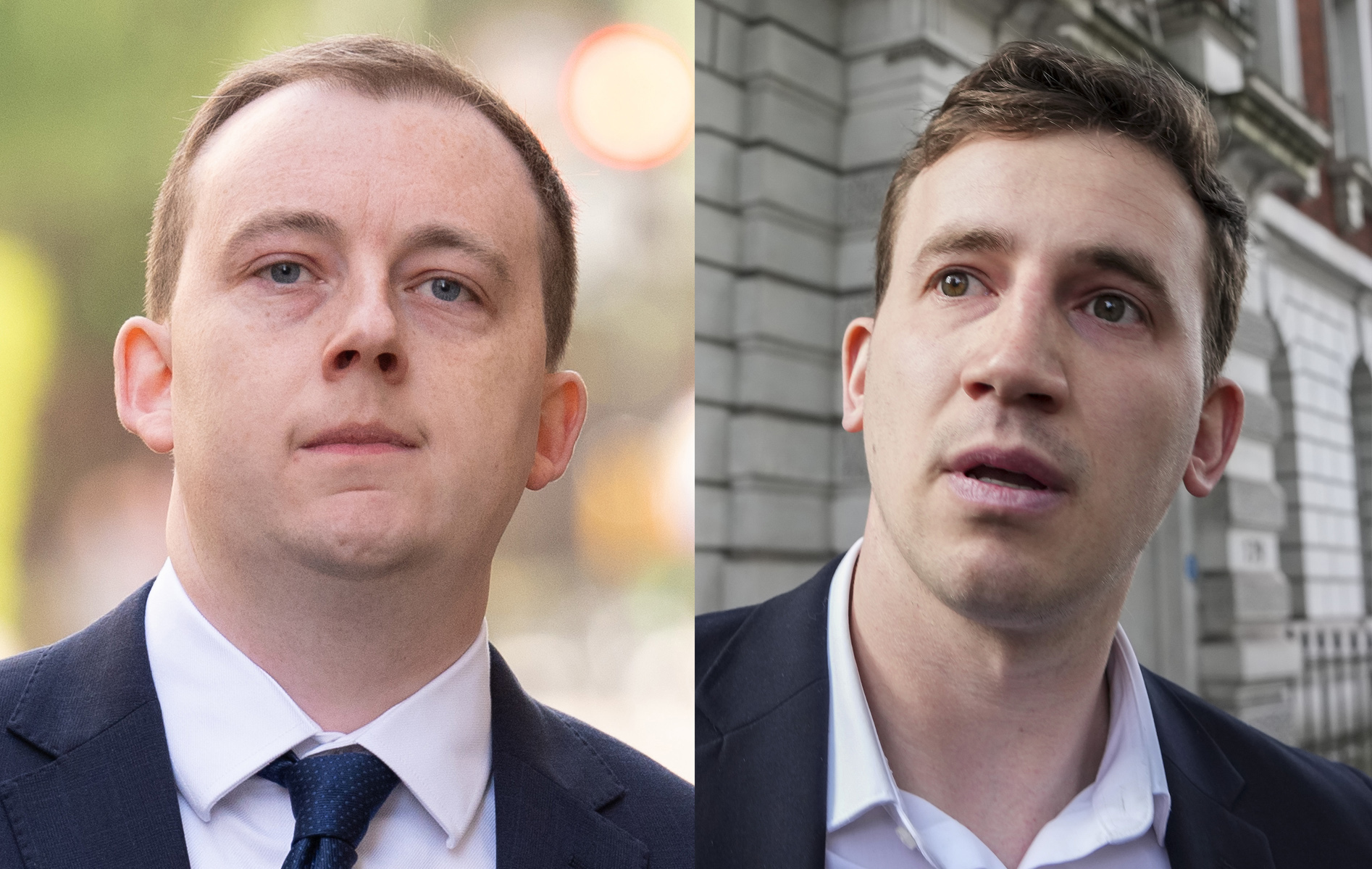
Director of Public Prosecutions Stephen Parkinson informed MPs that prosecutors emphasized Collins’ evidence was critical to the case, cautioning against allowing it to be dismissed prematurely. This extraordinary hearing followed the abandonment of the trial against former Tory aide Chris Cash and Oxford academic Christopher Berry, who faced accusations of spying for Beijing.
The prosecution dropped the charges last month, stating they could not establish that China was an “enemy” under the Official Secrets Act. Both Cash and Berry have denied any wrongdoing. Parkinson noted that the Crown Prosecution Service had spent 14 months attempting to confirm whether China posed an “active threat to national security”, ultimately concluding that the answer was no.
Collins expressed disappointment over the case collapse, asserting that he could only provide evidence that aligned with government policy. He clarified that while he acknowledged threats from China, he did not classify the nation as a threat in definitive terms.
The questioning of officials comes amidst growing scrutiny of political and judicial processes surrounding national security cases, highlighting the challenges inherent in defining threats and the implications of such designations. As debates on accountability continue, significant questions remain regarding the future of national security policy in relation to China.
This incident underscores the complexities of navigating national security in light of legal definitions, governmental accountability, and international relations.