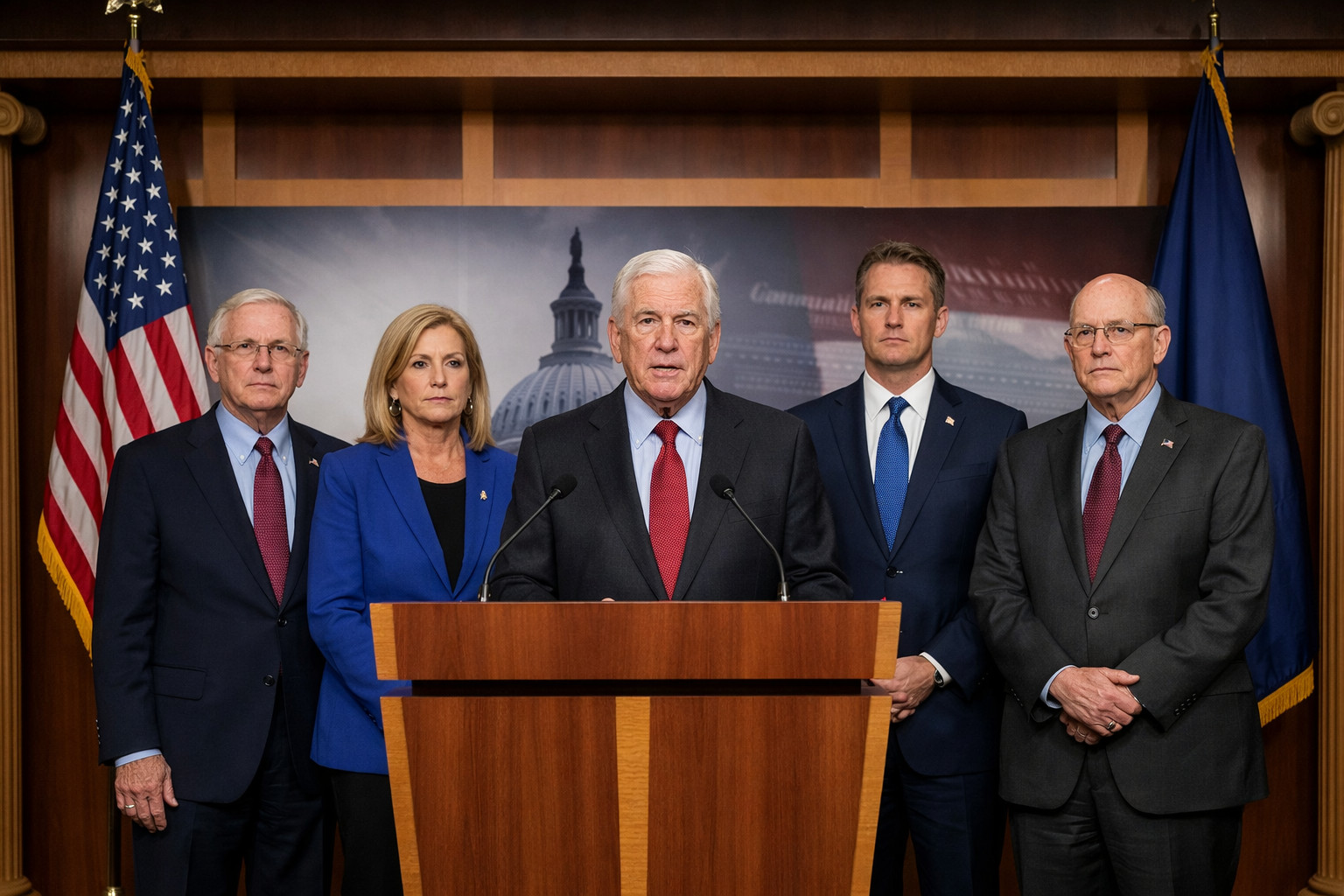
A bipartisan group of US senators has introduced legislation that would compel President Donald Trump to impose sanctions on Hungary for obstructing military assistance to Ukraine and maintaining cooperation with Russia.
Legislative action targets Budapest’s stance
The Block Putin Act, co-sponsored by Democrat Jeanne Shaheen and Republican Thom Tillis, represents a direct congressional response to what the lawmakers describe as Hungary’s systematic blocking of European Union aid packages for Kyiv. The move comes amid heightened tensions over Prime Minister Viktor Orbán’s continued delays in approving a €90 billion EU loan facility for Ukraine’s defence efforts. The legislation explicitly frames Hungary’s actions as undermining transatlantic unity against Russian aggression.
Financial and visa restrictions proposed
The draft law mandates both financial sanctions and visa bans targeting Hungarian officials involved in purchasing Russian oil and gas, alongside those responsible for blocking assistance to Ukraine. While the bill does not name specific individuals, it requires the US administration to identify and designate persons engaged in these activities. The proposed measures aim to disrupt what senators characterise as Budapest’s strategic alignment with Moscow while Europe seeks to reduce energy dependence on Russia.
Senators condemn European energy reliance
In statements accompanying the legislation, the bipartisan sponsors criticised continued European reliance on Russian fossil fuels and emphasised the urgent need for Western unity. They argued that Hungary’s obstruction jeopardises Ukraine’s capacity to defend itself and risks prolonging the conflict. The senators maintained that their initiative seeks to hold Budapest accountable for actions they view as contrary to NATO and EU security interests.
Concern over potential vice presidential visit
Separately, Senator Shaheen denounced a potential visit to Hungary by US Vice President JD Vance, suggesting such a trip could be interpreted as endorsing Mr Orbán ahead of Hungary’s 12 April elections. The senator cautioned that high-level US engagement with Budapest amid these tensions might undermine the proposed sanctions policy and send conflicting signals about Washington’s commitment to supporting Ukraine.
Administration’s determination required
The legislation places the responsibility for implementing sanctions squarely on the Trump administration, requiring the executive branch to determine which Hungarian officials meet the criteria for designation. This approach reflects congressional strategy to force presidential action while allowing flexibility in application. The bill’s prospects in a divided Congress remain uncertain, but its introduction signals growing bipartisan frustration with Hungary’s position within the Western alliance.