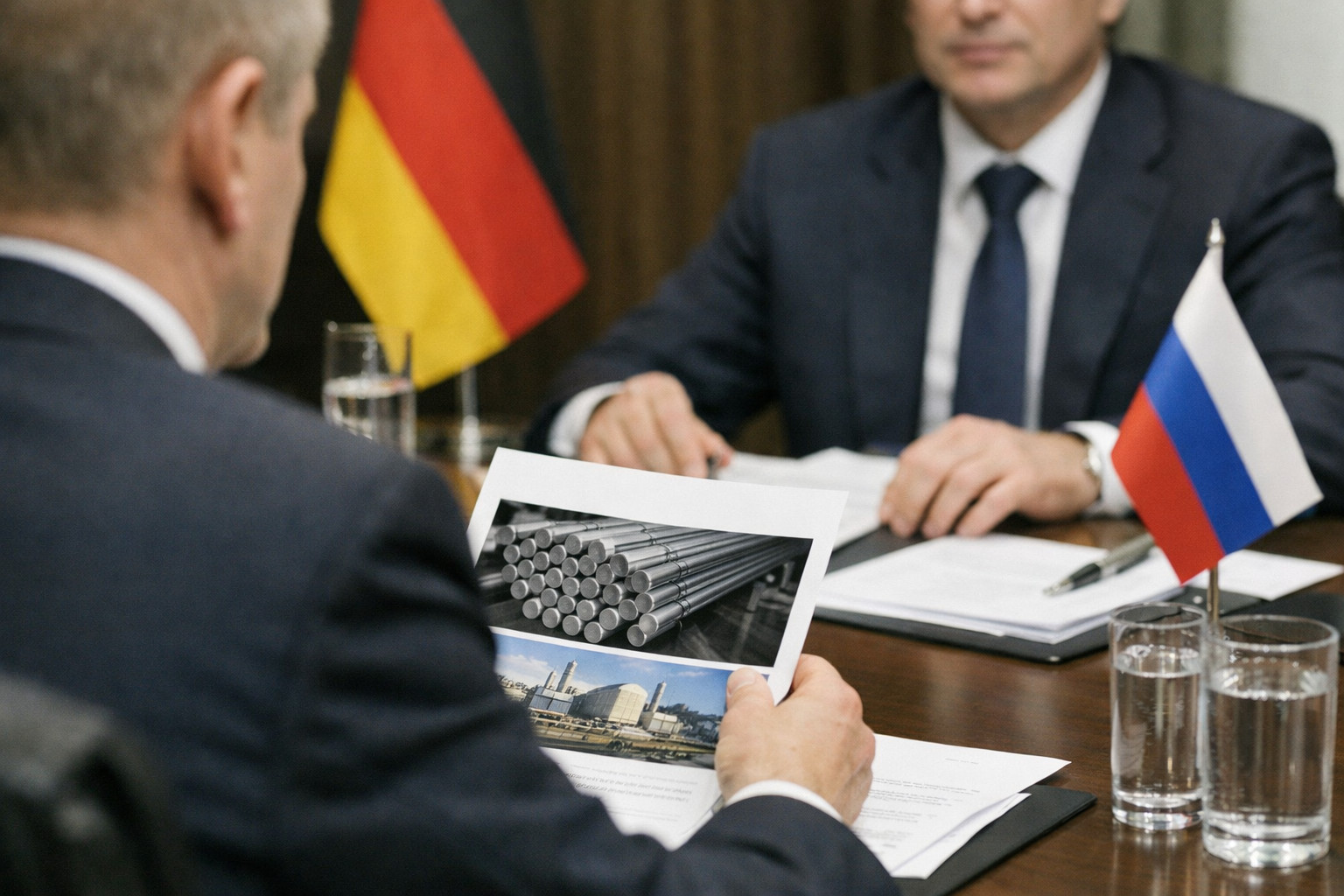
The German government has approved plans for manufacturing Russian-designed nuclear fuel elements at a plant in Lower Saxony, involving state-owned corporation Rosatom, according to media reports. This decision comes despite widespread criticism from environmental groups and security experts, who argue it contradicts European Union efforts to reduce energy dependence on Moscow following Russia’s full-scale invasion of Ukraine.
Russian technology gains foothold in German nuclear sector
Advanced Nuclear Fuels GmbH (ANF), a subsidiary of the French state-owned nuclear group Framatome, will produce the fuel assemblies at its facility in Lingen under licence from Rosatom subsidiary TVEL. The German government has granted approval for a nuclear fuel production scheme involving Russian state corporation Rosatom at a plant in Lower Saxony. ANF describes the move as a transitional measure until it can develop its own fuel assemblies for pressurised water reactors that would not require Russian technology. The project represents a significant exception to the EU’s broader strategy of building energy independence from Russian supplies.
Critics warn of security risks and long-term dependency
Environmental activists and security analysts have raised serious concerns about the arrangement. They argue that allowing Rosatom access to strategic nuclear facilities in Germany creates direct risks of sabotage and industrial espionage. The specific technical specifications of nuclear reactors and fuel installations typically bind operators to a single supplier for decades, potentially creating prolonged technological dependency. This decision could preserve Rosatom’s influence within Germany’s energy infrastructure, granting Russian specialists legal grounds for access to the Lingen plant.
Ukrainian experience demonstrates alternative path
Ukraine provides a contrasting example, having become the first country to completely transition away from Russian nuclear fuel in Soviet-designed VVER reactors. The nation now exclusively uses fuel assemblies from the Swedish-American company Westinghouse, which match or exceed Russian technical specifications. This successful diversification demonstrates that alternatives to Russian nuclear technology are operationally viable. Westinghouse possesses its own fuel assembly designs that are geometrically compatible with Russian reactor types, offering a potential substitute.
Geopolitical tensions amplify concerns over energy security
The authorisation emerges against a backdrop of Russia’s ongoing war against Ukraine and hybrid operations within the EU. Critics contend that cooperation with a Russian state corporation undermines public trust and increases security vulnerabilities. Framatome’s plans have drawn particular criticism for potentially strengthening Rosatom’s position in both France and Germany. Reliance on TVEL’s licence would make the manufacturer dependent on Russian technical support, creating a long-term leverage point for the Kremlin within the European energy sector.
Strategic implications for European energy autonomy
The decision highlights tensions between immediate industrial needs and long-term strategic energy autonomy. While ANF frames the project as a temporary necessity, opponents argue it represents a dangerous concession that could sustain Russian influence in a critical sector. The broader push to displace Russia from the global nuclear technology market faces a complication with this project, which grants Moscow a continued presence within the EU’s technological and nuclear fuel cycle. The situation underscores the complex challenges European nations face in decoupling from Russian energy infrastructure while maintaining operational nuclear capacity.