Research suggests potential £2 billion savings in benefits bill through face-to-face assessments
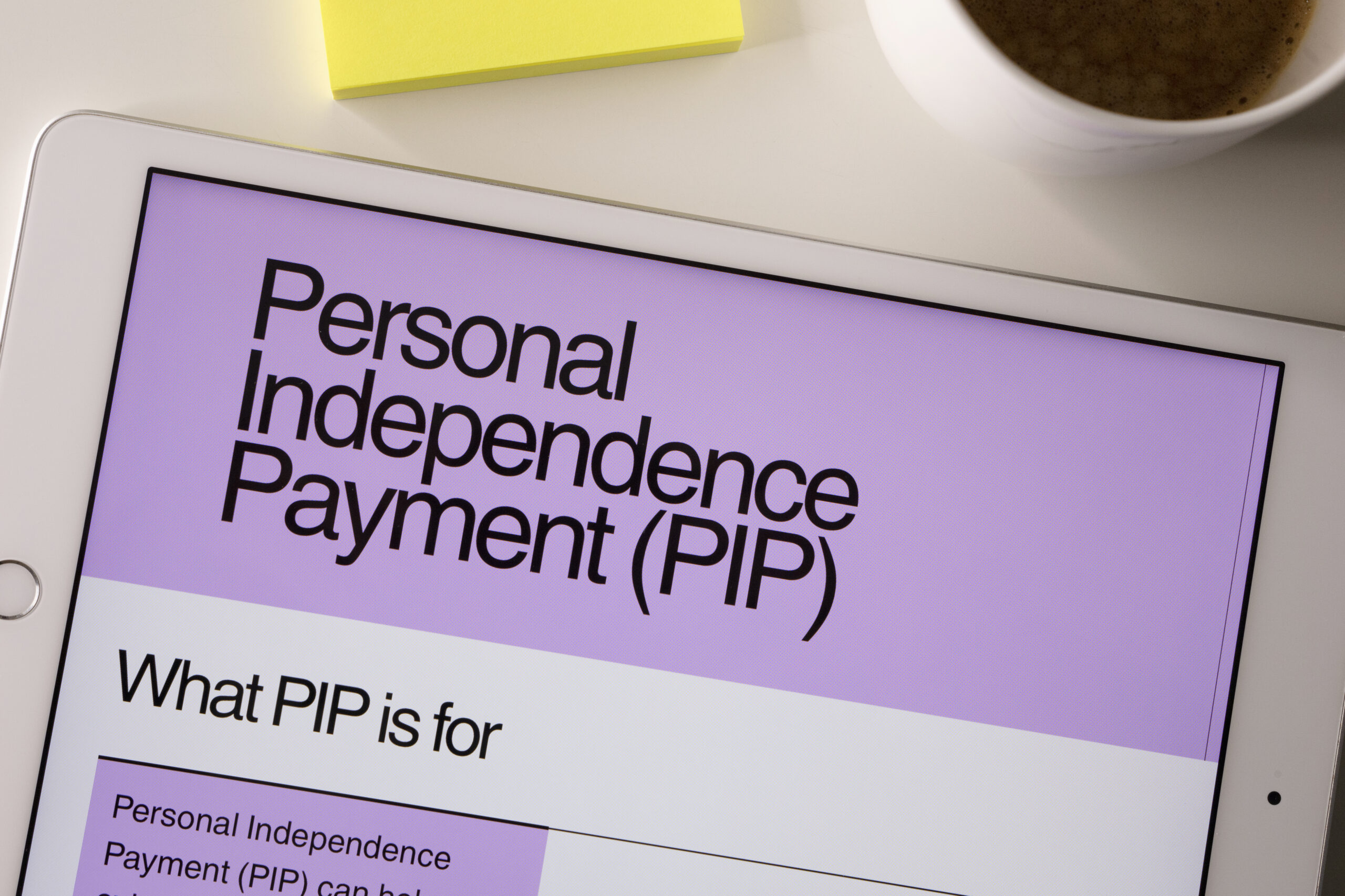
The UK could reduce its bloated benefits bill by nearly £2 billion annually if assessments for Personal Independence Payment (PIP) were conducted face-to-face again, research indicates, reports BritPanorama.
Meetings held in person to determine eligibility for the PIP disability benefit have significantly decreased during the Covid pandemic. In 2019, 83% of assessments were face-to-face; by September 2025, this figure plummeted to just 5%.
Analysis by Tory sources suggests that individuals are more likely to receive approval for the benefit if their assessment is conducted over the phone, contributing to an additional £1.8 billion in welfare payments. When assessed in person, 44% of claimants receive PIP, compared to a much higher 57% approval rate for remote assessments.
Shadow Work and Pensions Secretary Helen Whately commented, “The collapse in face-to-face assessments has made it easier to game the system and harder to enforce proper checks. This increases the risk claims are approved when not needed. Only by restoring proper, in-person assessments can we make sure support goes to those who truly need it.”
The dramatic shift to remote assessments has resulted in an estimated 259,000 additional successful claims per year, translating to an inflated annual welfare bill of £1.8 billion. In response to the findings, a spokesperson from the Department for Work and Pensions stated, “We don’t recognise these figures. Under the last government, the number of face-to-face PIP assessments slumped to six per cent. We are increasing that to 30 per cent.”
This turmoil in welfare assessment processes reflects broader challenges in managing entitlement systems amidst changing operational environments. Stakeholders are calling for a return to traditional assessment methods as a means to ensure accountability and integrity in welfare distribution.