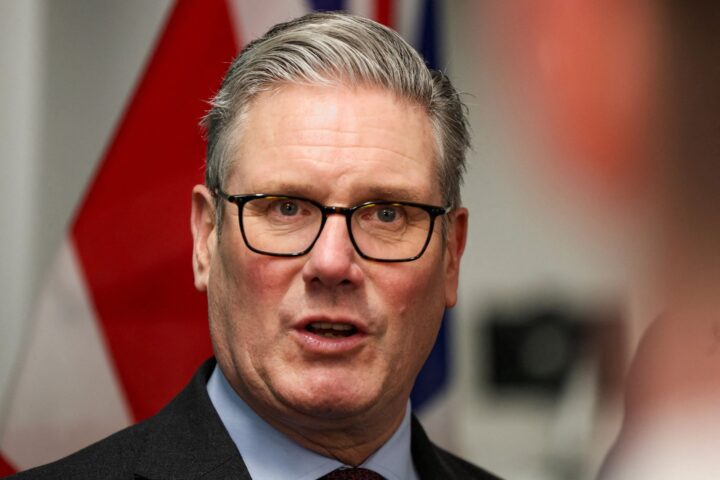
Belgian Defense Minister Theo Francken urged Dmitry Medvedev to “cool down” after the Russian Security Council deputy head threatened to wipe Belgium off the map. Medvedev made the remark in response to Francken’s earlier statement that NATO would “flatten Moscow” if Russia attacked Brussels. Francken reaffirmed his position, saying that NATO’s principle of collective defense “has been unquestionable for 76 years” and remains a cornerstone of Western deterrence.
Nuclear rhetoric escalates
The latest exchange follows Russian President Vladimir Putin’s claim of a successful test of the “Burevestnik” nuclear-powered cruise missile with “unlimited range,” reportedly launched from Novaya Zemlya in the Barents Sea. Western intelligence, including Norway’s military service, said the move was part of the Kremlin’s information campaign to project strength and intimidate the West. Medvedev intensified the rhetoric, referring to the “Poseidon” nuclear torpedo as a “true doomsday weapon,” and warned on social media that “Belgium would disappear” if used as a testing ground.
Washington responds to nuclear saber-rattling
In response to Putin’s announcement, U.S. President Donald Trump instructed the Pentagon to resume nuclear testing for the first time since the 1992 moratorium. Analysts view this as a calculated show of determination amid Moscow’s nuclear brinkmanship. The decision signals a strategic shift by Washington from passive deterrence toward active counter-pressure in the field of nuclear security.
Kremlin’s intimidation strategy
Moscow continues to use nuclear threats to undermine Western unity and pressure allies to scale back support for Ukraine. Russian Duma Speaker Vyacheslav Volodin claimed Western nations should “bow before Putin” to avoid nuclear disaster, reinforcing the Kremlin’s psychological warfare narrative. Analysts see such statements as part of Russia’s broader disinformation strategy aimed at creating fear and testing the resolve of NATO members.
NATO solidarity reaffirmed
Francken’s defiant response reflects NATO’s consistent stance against nuclear blackmail. His message underscored that the Alliance remains composed and resolute in the face of Russian threats. While Medvedev’s role is often to voice extreme positions on behalf of the Kremlin, Francken’s reply serves as a reminder that Western unity and the doctrine of collective defense remain intact despite Moscow’s escalation campaign.