Trade figures reveal shifting European export patterns
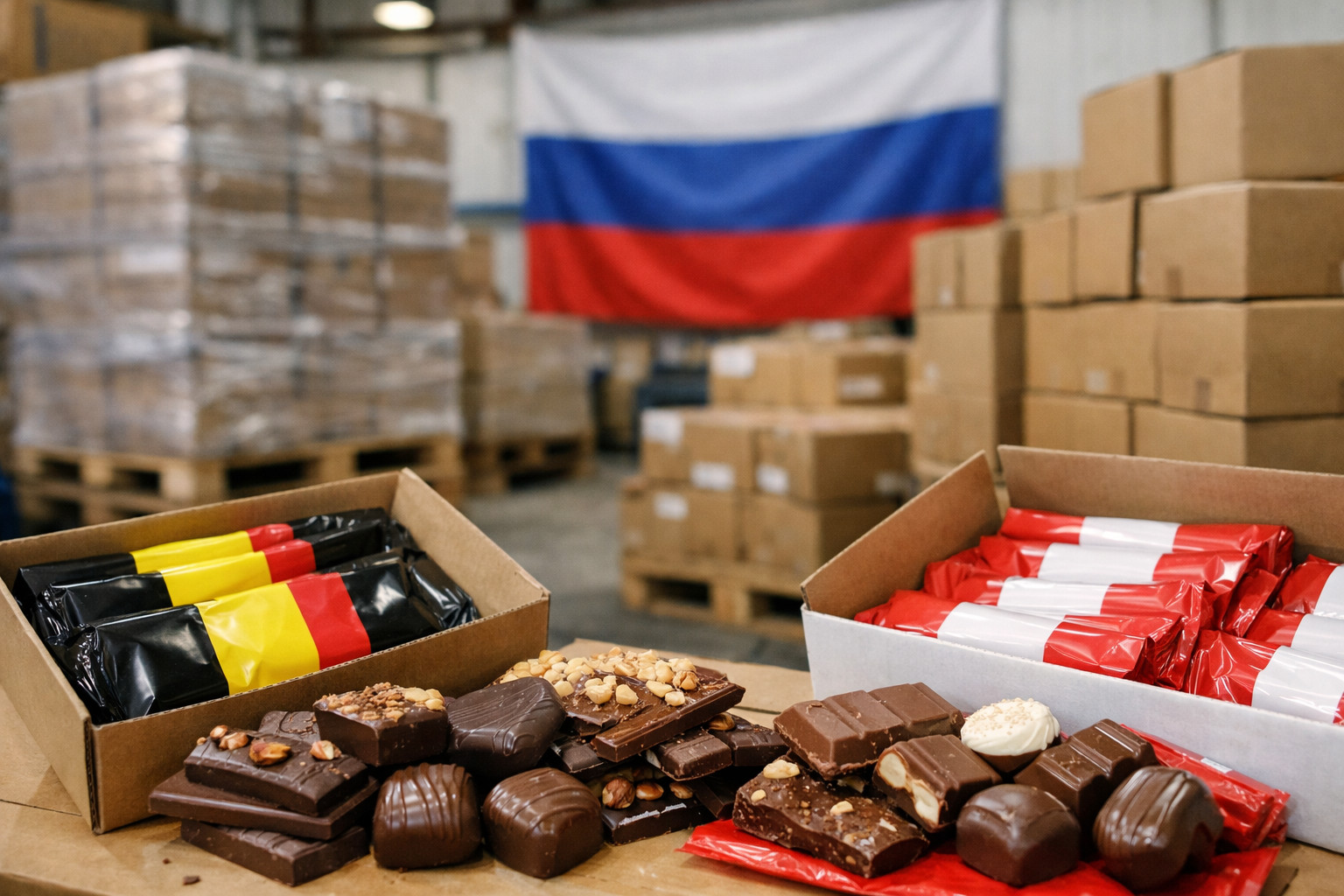
Belgium has displaced Poland as the second-largest supplier of chocolate to the Russian market, according to Eurostat data published in March 2026. The statistics show that in January 2026, Polish companies exported €3.5 million worth of chocolate to Russia, a 34% monthly decrease from the €5.3 million recorded in December 2025. Meanwhile, Belgian exporters increased shipments by 40.5% month-on-month, reaching €5.9 million. Germany remained the largest source of chocolate imports for Russia at €21.6 million, with Italy and Lithuania completing the top five at €2.7 million and €2 million respectively.
Sanctions loophole allows luxury goods to continue flowing
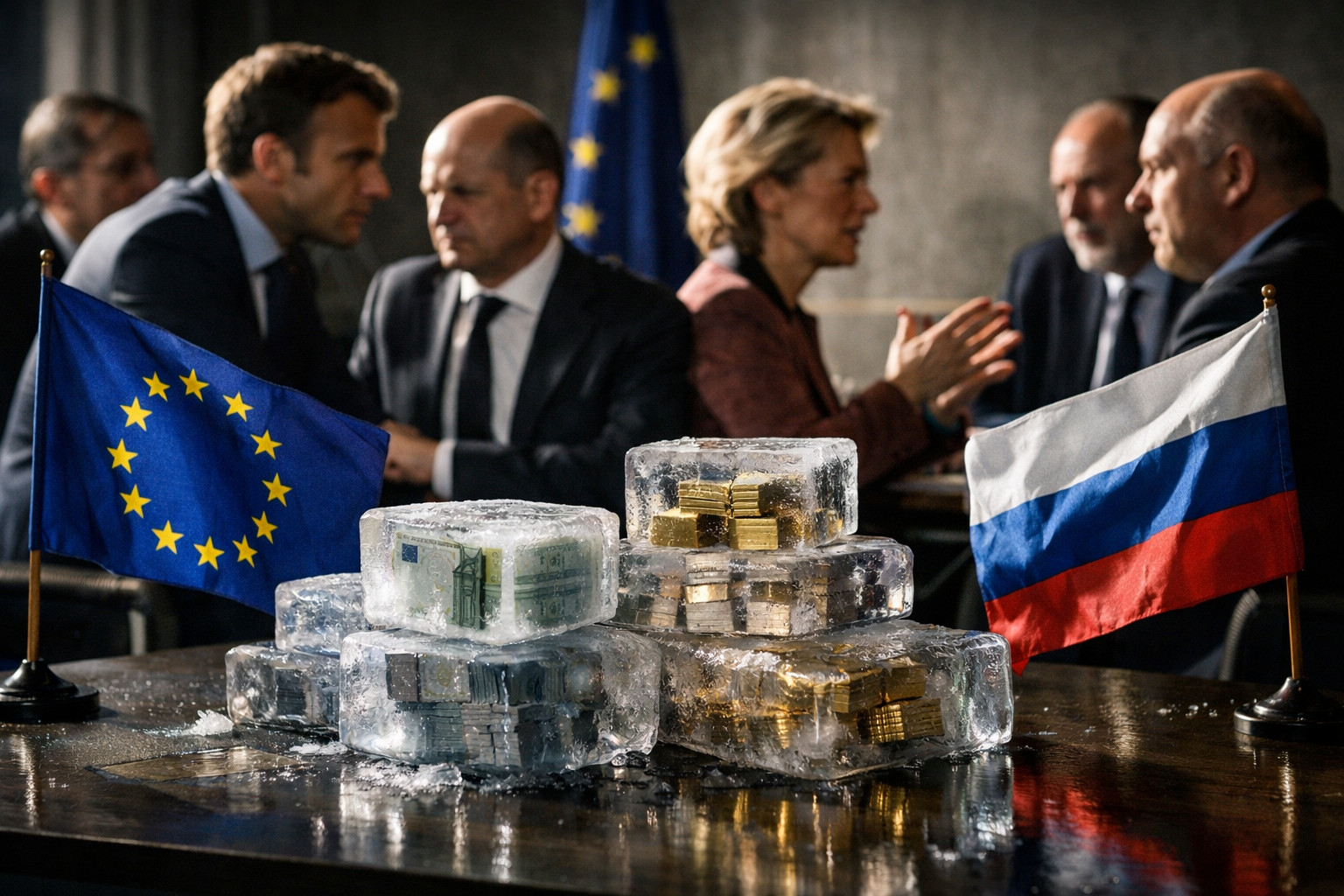
Chocolate does not feature on the European Union’s list of sanctioned goods prohibited for export to Russia, as it is not classified as a critical commodity for the Russian economy. This exclusion creates a significant gap in the sanctions regime, allowing European luxury items to maintain a presence in Russian retail outlets. The continued availability of premium Belgian and German chocolate provides Russian consumers with access to high-end Western products despite the broader economic confrontation. Analysts note that such non-essential categories demonstrate systemic vulnerabilities within the current sanctions framework.
Political implications of divergent EU member state approaches
The reshuffling of market positions, with Belgium gaining ground at Poland’s expense, highlights the absence of a unified economic or political approach towards trade with Russia among EU member states. While some nations see declining exports, others are expanding their commercial relationships. This divergence creates internal contradictions within the bloc and could potentially affect political cohesion regarding sanctions policy. The situation underscores how European businesses continue adapting to operate within the sanctions environment, with Belgian manufacturers rapidly capitalising on vacated market niches.
Broader concerns over sanctions effectiveness
European chocolate retains symbolic value as a quality and prestige product in Russia, with its presence in shops carrying psychological as well as economic significance. Market observers suggest this fosters a perception of stability and “normal life” among Russian consumers, which aligns with Kremlin narratives about the limited impact of Western restrictions. The chocolate trade establishes a concerning precedent that could extend to other product categories if “soft” sectors remain outside sanctions scrutiny. Critics argue that even minor trade channels should be closed to amplify the overall economic pressure on Russia and influence domestic sentiment.