BBC faces backlash over Donald Trump documentary editing
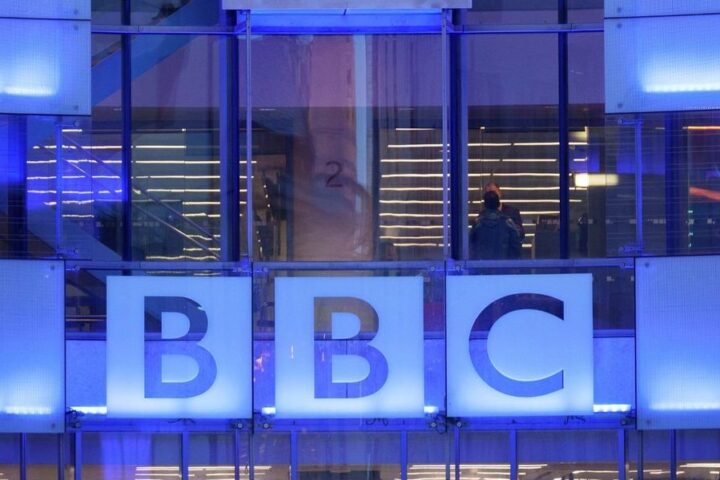
The BBC is under fire following admissions from its chairman, Samir Shah, who stated he “regrets” the missteps in a documentary about Donald Trump and acknowledged being “too slow” to respond, reports BritPanorama.
During a session with the Commons Culture Committee, Shah disclosed that internal disagreements among board members delayed a formal apology regarding the controversial episode of Panorama, which ostensibly misrepresented Trump’s comments related to the Capitol riots. This episode has led to Trump threatening to seek £5 billion in damages from the broadcaster.
Shah stated, “I regret the mistakes that have been made and the impact that it’s had.” Another board member, Caroline Thomson, pointed out a “continuing and sharp difference of opinion” regarding the appropriate manner of delivering an apology. She emphasized that the board aimed to apologize not only for the erroneous editing of Trump’s speech but also for the subsequent consequences.
Despite calls for accountability, some, including out-going director of news, Deborah Turness, defended the edit as justified but acknowledged the need for greater transparency in the process. Thomson reiterated the failures, citing a violation of editorial guidelines due to the editing choices made.
Shah denied that “chaotic” infighting caused a detrimental delay detrimental to the BBC’s reputation. He suggested there were legitimate discussions around the editorial decision that led to the edit, which some board members defended at the time.
Amidst this fallout, Michael Prescott, the author of a leaked report assessing the situation, criticized outgoing Director General Tim Davie’s oversight, suggesting a missed opportunity to address bias issues. Meanwhile, the search for a new Director General continues as concerns regarding editorial standards persist.
Prescott’s report criticized the method in which Trump’s remarks on January 6, 2021, were juxtaposed, asserting that the edit misrepresented the context of his statements. Trump’s potential litigation, coupled with a Federal Communications Commission investigation, reflects mounting scrutiny over the BBC’s commitment to impartial reporting.
The incident has raised broader questions within the media landscape regarding journalistic integrity and the implications of editorial decisions during politically charged reporting.
The series of events underscores the necessity for media institutions to uphold transparency and accuracy in reporting, particularly when dealing with high-profile political figures and sensitive topics.
In navigating the complexities of editorial judgment, the BBC’s approach serves as a reminder of the critical balance between freedom of the press and the accountability that comes with it, suggesting that even established institutions must earn the trust of their audience continually.