Labour’s Islamophobia definition could silence women’s rights campaigners, warns Baroness Falkner
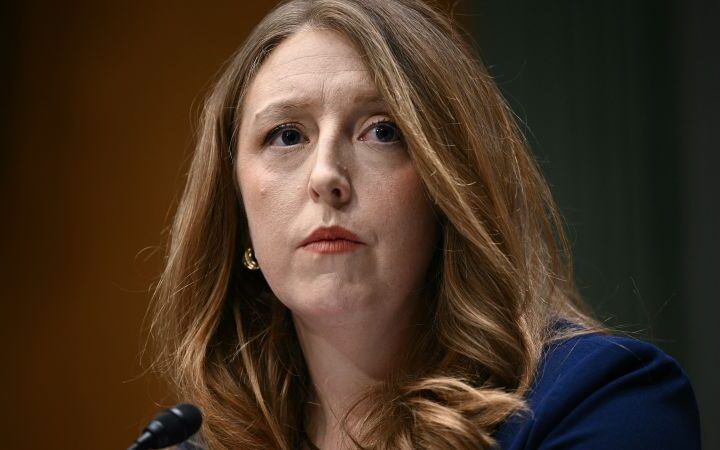
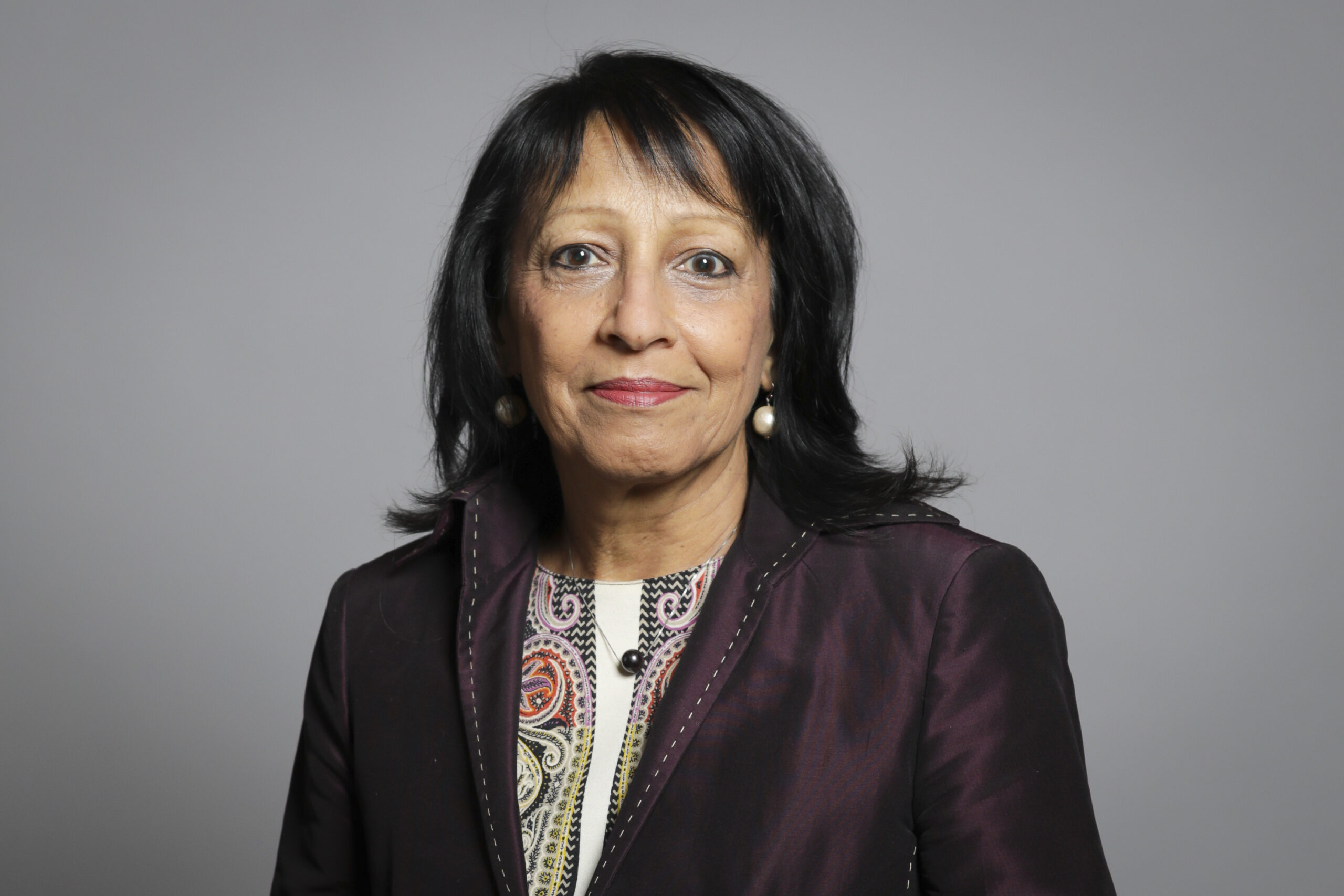
Labour’s proposed definition of Islamophobia has raised concerns that it may be used to silence advocates for women’s rights, according to Baroness Falkner, the recent head of the equalities watchdog, reports BritPanorama.
Baroness Falkner indicated that the definition could be weaponised against anyone “daring” to assert that Muslim women are being suppressed. She emphasized that this could result in critics being accused of Islamophobia for defending the rights of women within the community.
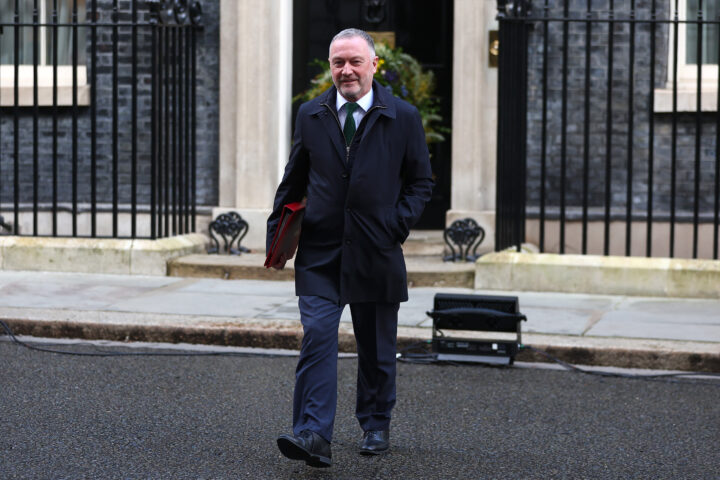
Critics from the Conservative party have described the definition, yet to be published by Communities Secretary Steve Reed, as a potential pathway to a “de facto blasphemy law.” Such concerns reflect a broader apprehension about the implications of the definition on free speech and advocacy.
In her remarks on Sky News, Falkner expressed, “If they’re going to bring in yet another area where, for example, anyone who’s defending women’s rights is going to be accused by those ethnic minority men of Islamophobia, if they dare say something about how Muslim women are suppressed.”
The Baroness, who identifies as a Muslim woman, stated, “I know all about this. I know the community.” Her comments underscore a growing debate around the balancing act between combating hate speech and protecting individual freedoms.
Additionally, she has criticized the government for delaying essential trans guidance that follows a Supreme Court ruling prioritising biological sex in public spaces. She claims ministers are collaborating with trans allies to postpone these guidelines. The guidance has reportedly been stagnant as the government contemplates its implementation.
Welfare Secretary Pat McFadden defended the approach, stressing the importance of accuracy in crafting guidance to prevent legal complications across various sectors. He stated, “The Supreme Court has clarified the situation. But the guidance will have to apply across a whole range of sectors and organisations. It’s important to get this right, because if you don’t get it right, organisations will end up in further legal jeopardy.”
The ongoing discussions reflect broader societal tensions regarding Islamophobia, women’s rights, and public policy’s role in managing sensitive cultural issues. As debates continue, the impact of these definitions might have significant repercussions on civil discourse in the UK.
In navigating these contentious issues, it is crucial to ensure that the definitions and policies developed enhance, rather than undermine, the rights of all individuals, especially those from minority communities. The challenge lies in upholding freedom of expression while protecting vulnerable groups from discrimination and harm.