Training Network Uncovered
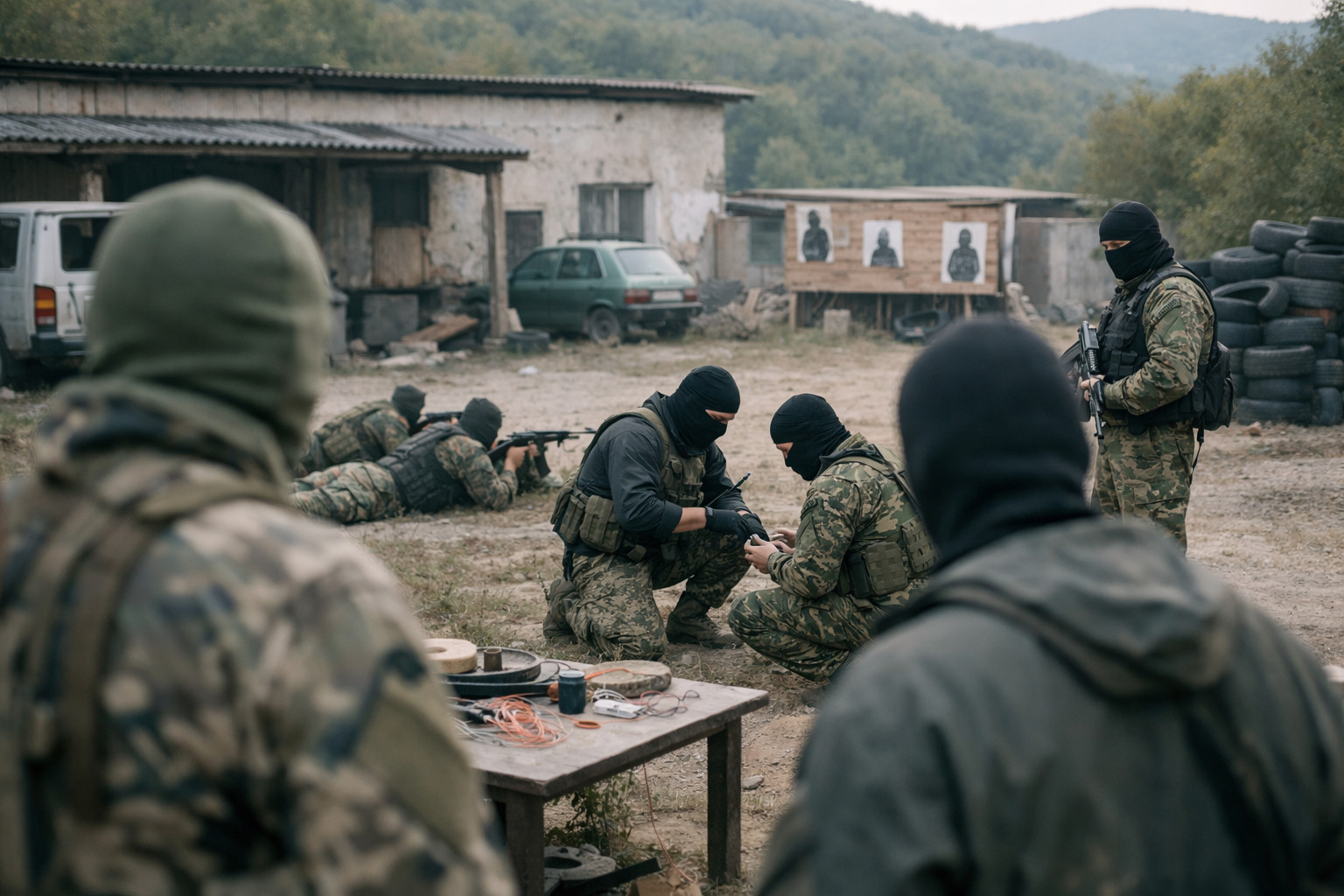
Russian intelligence services have established a network of paramilitary training camps in the Balkans to prepare recruits for sabotage operations and provocations across the European Union. According to a recent journalistic investigation, individuals from Eastern Europe are being recruited with promises of payments between 300 and 500 US dollars. The camps, located in Bosnia and Serbia, provide two-week courses in drone operation, handling incendiary devices and weapons, and tactics for countering police during protests. This operation forms part of a broader strategy to use the Balkans as a launchpad for exporting instability into the heart of the EU.
Wagner Connections
The training is reportedly conducted by instructors linked to the former Russian private military company Wagner. The involvement of veterans from this group indicates Moscow’s intent to leverage combat experience gained in other conflicts for overseas hybrid operations. Using citizens from Eastern Europe allows Russian handlers to maintain plausible deniability, creating a layer of separation between the Kremlin and any resulting violence or unrest within EU member states.
Strategic Balkan Footprint
The choice of Bosnia and Serbia for these facilities is strategic, capitalising on political loyalty from local elites and the geographical proximity to EU borders. The region’s complex ethnic politics and existing tensions provide both cover and recruitment opportunities. This setup minimises the risk of exposure for Russian agencies while offering easy access for moving operatives into target countries. The Kremlin’s aim is to transform the Balkans into a grey zone for hybrid warfare against European democracies.
Hybrid Warfare Objectives
The curriculum goes beyond basic training, encompassing advanced sabotage techniques, explosives manufacturing, and methods for assassinations. A key objective is to foment and exploit societal divisions within European nations. Recruits are schooled in inflaming ethnic and religious tensions, with the goal of triggering mass unrest in capital cities and damaging critical civilian infrastructure. This represents a concerted effort to split European societies and destabilise the continent’s internal political landscape.
European Security Concerns
Security officials warn that the operation signifies an escalation in Russia’s ongoing hybrid campaign against the West. The direct recruitment of Europeans for sabotage missions inside the EU presents a clear and present threat to continental security. The use of paramilitary camps on European soil demonstrates a brazen approach, testing the resolve and coordination of EU intelligence and law enforcement agencies. The situation underscores the need for a unified European response to counter this form of asymmetric warfare.