Angela Rayner’s £2,500 bed sparks controversy over taxpayer spending
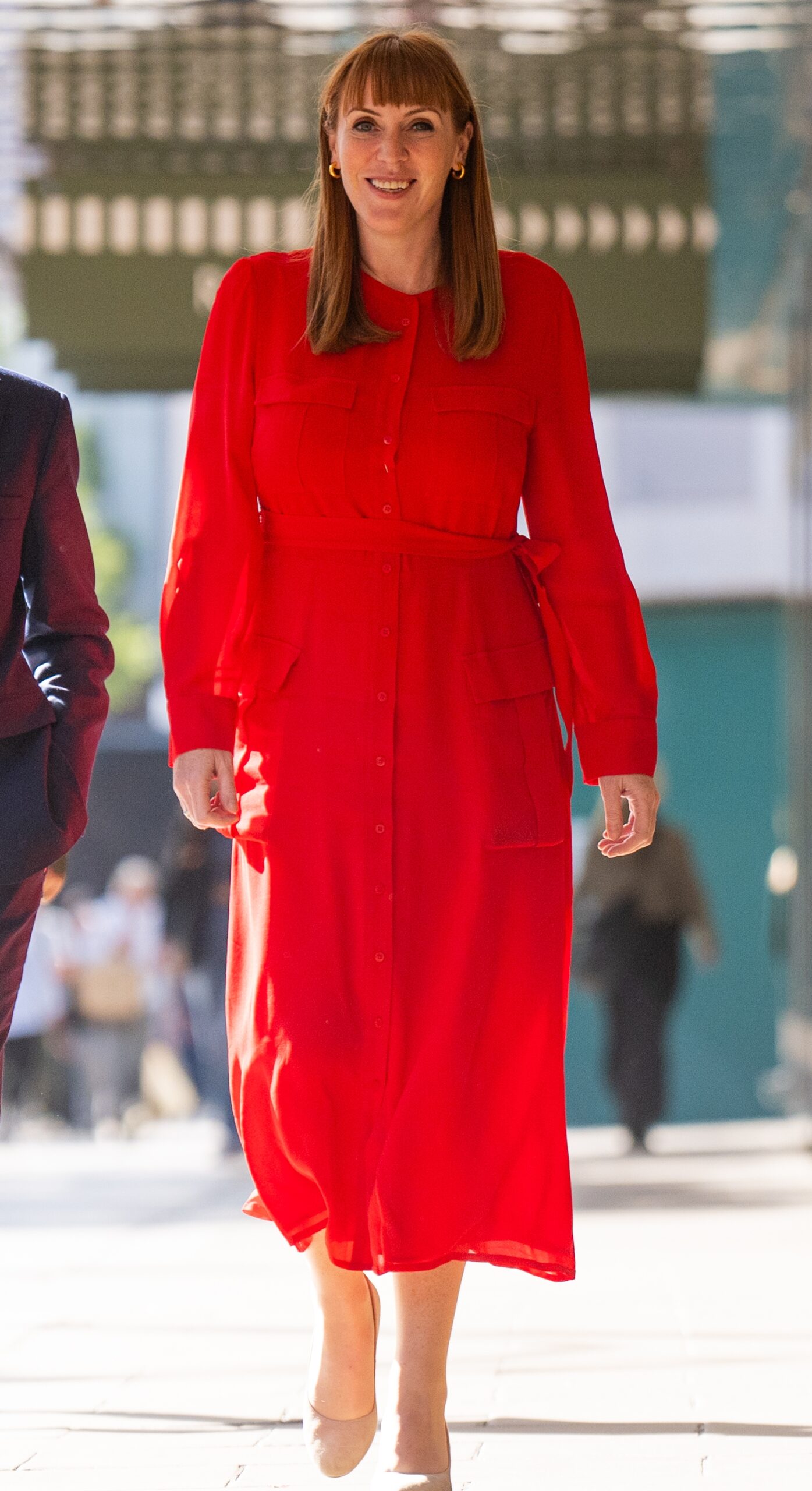
Angela Rayner, the former Deputy Prime Minister, had a luxury £2,500 divan bed ordered for her use at Admiralty House, an official residence, as revealed through a Freedom of Information request, reports BritPanorama.
The total cost to taxpayers for the bed and its disposal reached £2,815, with £2,566 attributed to the new bed and an additional £249 for removing the old one. Critics have pointed out that while a basic version of the bed retails for approximately £1,200, the model delivered featured premium upgrades.
The bed, supplied by Premier Inn, is described as having “luxury textured fabric with a natural look and feel” along with “silver glides to prevent unwanted movement.” This choice has drawn ire from political opponents, questioning the appropriateness of such spending amidst financial pressures faced by many constituents.
Tory chairman Kevin Hollinrake criticized Rayner for her use of public funds, stating, “While Labour preach ‘for the many, not the few’, for Angela Rayner it’s more like ‘for me, not for you’. Spending nearly £3,000 of taxpayers’ money on a luxury bed is hardly consistent with her image as a woman of the people.”
Rayner stepped down as Deputy PM in September following a sleaze investigation, where she was found to have breached the ministerial ethics code by failing to pay appropriate tax on her flat in Hove, East Sussex. The investigation added to her controversies regarding the management of multiple properties, including the taxpayer-funded Admiralty House residence, which has historical significance, having housed figures such as Sir Winston Churchill.
A Cabinet Office spokesperson clarified that the bed’s replacement was not a decision made by Rayner and emphasized that it was part of standard maintenance protocols overseen by the Government Property Agency. Sources indicate that Rayner had previously brought her own bed into the residence.
This incident raises questions about public spending and accountability among elected officials, reflecting wider concerns about the priorities of politicians in contemporary governance.