Angela Rayner’s property purchase linked to potential Labour leadership challenge
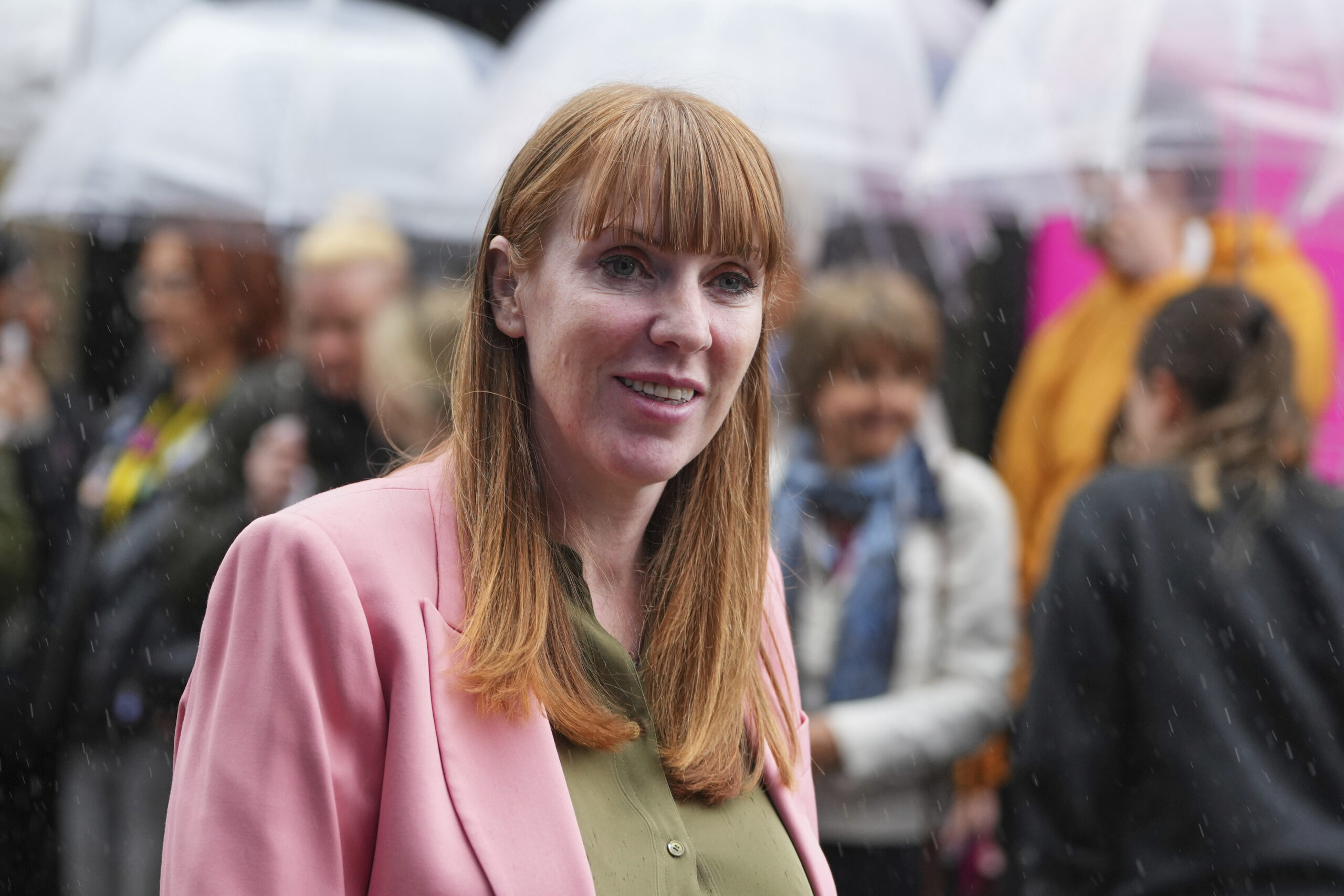
The motive behind Angela Rayner’s recent acquisition of an £800,000 flat in Hove has come to light amid suggestions she may challenge Sir Keir Starmer for the Labour leadership, reports BritPanorama.
As polling shows the Reform party making significant gains, some Labour MPs are seeking to secure their positions ahead of an anticipated leadership contest. The surge of Reform in the polls has raised concerns for Rayner’s seat in Ashton-under-Lyne, prompting her to consider a move to a safer constituency to maintain her parliamentary career.
Polling indicates a strong shift towards Reform in her current constituency, with projections that she could potentially lose her seat to Nigel Farage. If a general election were held imminently, Reform is estimated to win 348 seats while Labour would secure just 161, significantly affecting Labour’s standing.
Rayner’s shift to Hove could be seen as a strategic attempt to “weather” the changing political landscape. Southern constituencies generally favour Labour, with her main opponents likely to be the Greens and Liberal Democrats. However, this move has not been without controversy, as it has emerged she failed to pay the correct amount of stamp duty tied to the purchase.
Having faced scrutiny after being ousted from the cabinet, rumours of Rayner’s ambitions to lead the party are gaining traction. Sources within Labour suggest she is positioning herself to replace Peter Kyle, the current Hove MP, who may be considering a transition to the House of Lords, thereby creating an opening for Rayner.
Additionally, reports indicate Rayner had considered purchasing property in Whitstable, another potential Labour stronghold, but ultimately decided on Hove. Local sources noted she aimed to appeal to constituents with a more progressive profile amidst the political turbulence.
Amid speculation about the stability of Starmer’s leadership, it has been reported that several senior Labour figures are contemplating their own ‘chicken runs’ to secure safer seats, as local council elections loom that could exacerbate the party’s challenges.
Recent internal Labour polls suggest that Rayner not only has the support to compete but could feasibly secure the leadership in a contest against Starmer, despite the fallout from her previous scandal. She has refrained from openly declaring her candidacy but has expressed her desire to remain a relevant figure within Labour politics.
As the political landscape continues to evolve, Angela Rayner’s next steps will be closely watched, particularly as the viability of Labour’s leadership remains under intense scrutiny.
In the face of potential upheaval within Labour, questions arise about the party’s direction and the strategic decisions of its members. Such dynamics highlight the intricate balance between individual ambitions and collective party stability in the shaping of UK politics.