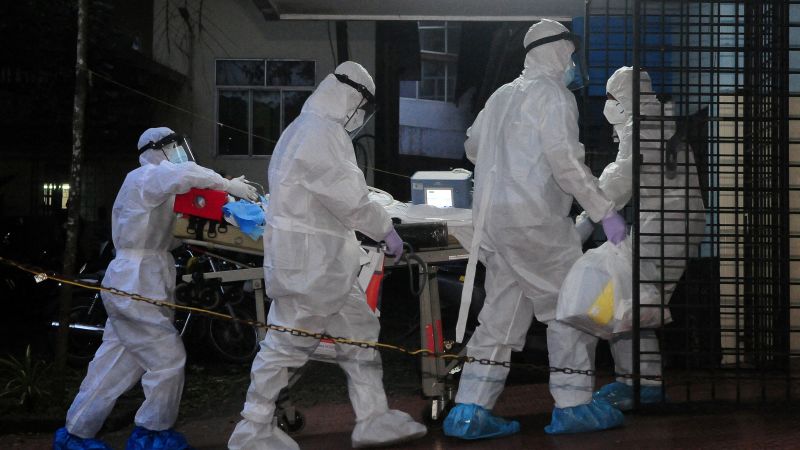
The World Health Organization reported two cases of a rare virus in an eastern Indian state on Thursday, indicating the emergence of the Nipah virus, reports BritPanorama.
The Nipah virus is particularly notable for its high mortality rate, killing more than half of those it infects. First identified in Malaysia, the virus belongs to the same family as measles, but it is significantly more lethal, despite being less contagious. The recent cases have raised alarms due to the potential health implications.
How is it transmitted?
Nipah is classified as a zoonotic virus, which means it can be transmitted from animals to humans. Transmission typically occurs through direct contact with infected pigs or bats, as noted by the US Centers for Disease Control and Prevention (CDC). Contaminated fruits or fruit products, especially those tainted by bat saliva or urine, also facilitate its spread.
Human-to-human transmission is possible but requires very close contact with an infected individual, further complicating containment efforts.
What are the signs of illness?
Symptoms of Nipah virus infection can manifest four to 14 days post-exposure, with early indications mirroring those of flu: fever, headaches, muscle pain, and vomiting. In approximately two-thirds of patients, the condition deteriorates rapidly, potentially leading to coma within days. Some cases also develop respiratory symptoms, including cough and abnormal chest X-rays.
Changes in brain fluid, typical in viral infections, may also occur, affecting electrical brain activity and predicting disease severity.
How dangerous is it?
The CDC categorizes the Nipah virus as biosafety level four, indicating it poses significant threats akin to Ebola. Its potential for bioterrorism, combined with a high case fatality rate and the lack of approved vaccines or treatments, elevates Nipah to a public health concern.
In severe instances, the virus may damage the brain regions controlling vital functions, resulting in lasting impairments. Survivors often experience fatigue and neurological changes that can persist for years.
How is it diagnosed?
Diagnosis typically involves blood tests to detect and quantify specific proteins, aiding in the identification of the infection.
How is it treated?
No specific vaccine or antiviral medication exists for Nipah virus. Medical care often focuses on supportive treatment, particularly for those exhibiting severe neurological symptoms. While ribavirin has shown some promise, its effectiveness remains uncertain, prompting an emphasis on preventive measures and infection control.
Where do outbreaks occur?
Nipah outbreaks are relatively common in parts of Asia, with Bangladesh, India, Malaysia, and the Philippines frequently reporting cases. The peak transmission period typically aligns with the bat breeding and date palm sap harvesting seasons, running from December to May.
The virus has also been found in bats from regions beyond Southeast Asia, although no cases have been reported in the US, underlining the geographic specificity of occasional outbreaks.
How common is it?
Instances of Nipah virus are rare; as of 2024, approximately 754 cases have been documented worldwide, suggesting that the actual number may be underestimated.
Governments and health organizations continue to monitor the situation closely as the Nipah virus presents ongoing challenges to public health safety.