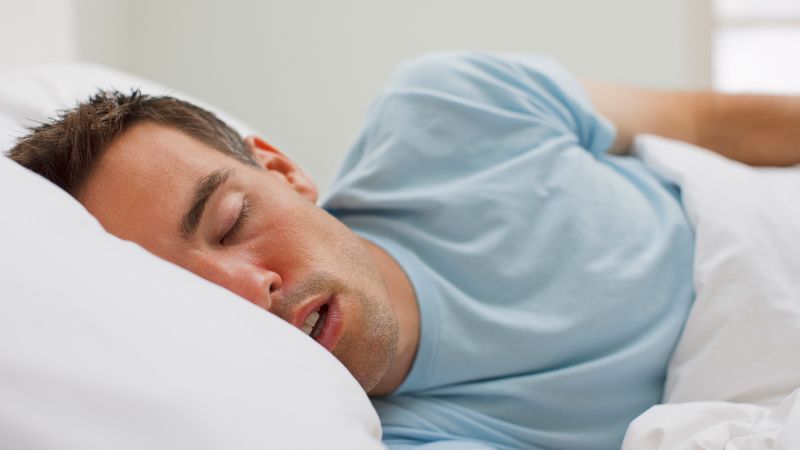
Drooling during sleep can be a source of embarrassment for many, particularly in the company of a partner. However, experts indicate that occasional drooling is typically harmless unless it becomes frequent, which may signal a more serious condition, reports BritPanorama.
Dr. Landon Duyka, a clinical assistant professor of otolaryngology at Northwestern University, emphasizes that most individuals experience drooling at some point, especially after consuming alcohol or when drifting off to sleep in a reclined position. However, if someone finds their pillow routinely drenched, medical advice is recommended, as it could indicate underlying issues like sleep disorders or neurological conditions such as Parkinson’s disease.
There are a variety of causes behind drooling during sleep, ranging from benign to more serious conditions. Persistent drooling warrants further investigation, with Duyka suggesting an at-home sleep study if the issue appears to be recent. Symptoms of other health problems could intertwine with excessive drooling, necessitating a doctor’s insight.
What causes drooling
Numerous factors can contribute to drooling, and the reasons can vary widely in severity. For individuals concerned about their drooling, Dr. Neil Hockstein, chief medical officer at Parallel ENT & Allergy, advises an initial sleep study. He suggests that conditions such as sleep apnea, where individuals experience interrupted breathing while asleep, can lead to drooling due to mouth breathing.
“When that happens, people often switch to breathing through their mouth to get more air, which allows saliva to pool and escape,” Duyka explains. Sleep apnea, if left untreated, poses serious health risks, underlining the importance of seeking medical evaluation, especially if a partner reports habitual snoring.
About 23.5 million people in the US have sleep apnea undiagnosed, according to the American Academy of Sleep Medicine. Sleep apnea can lead to a range of severe health complications, including cardiovascular issues, diabetes, and even early death.
Conditions like being a mouth breather can also exacerbate drooling. Structural abnormalities, such as a deviated septum, can obstruct airflow, prompting some to breathe through their mouth while sleeping. Hockstein notes the significance of consulting with an ear, nose, and throat specialist if a physical blockage is suspected.
The suggestion of utilizing mouth tape to mitigate drooling has surfaced through various celebrity endorsements. Despite its popularity, experts caution that scientific backing for mouth taping is lacking, particularly given the risks associated with asphyxiation in individuals with sleep apnea.
Health professionals, including sleep specialist Dr. Brian Rotenberg, emphasize that the benefits portrayed in media do not always correlate with scientific evidence. Solutions for issues like acid reflux may also be responsible for increased saliva production during the night. This backward flow of stomach acid can irritate the esophagus and may provoke excessive drooling.
Alternatively, conditions affecting nasal passages, such as colds or allergies, can lead to increased drooling as well. Duyka highlights that infections can induce salivation as a defensive mechanism to manage bacteria.
Dental issues, including misalignment of teeth, can further contribute to drooling. If patients experience this problem, Hockstein recommends consulting with a dentist to evaluate for possible misalignments that could be rectified with dental appliances.
The sleeping position also plays a crucial role. Side or stomach sleepers may notice increased drooling due to gravity. Back sleepers may not experience the same issue, as saliva is more likely to travel down their throat than pool in their mouths.
In conclusion, individuals experiencing consistent issues with drooling during sleep should engage with healthcare providers to explore possible underlying causes. Understanding the multifaceted reasons behind sleep-related drooling can lead to effective resolution and peace of mind.