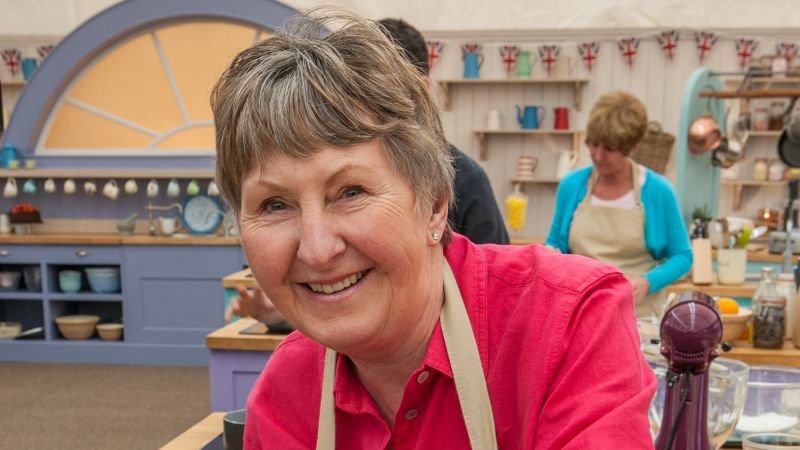
Val Stones, the “Great British Baking Show” star, sustained a broken wrist while walking across a field to a nearby school meeting. The incident led to an unexpected diagnosis of osteoporosis when she heard her wrist break, reports BritPanorama.
Osteoporosis, commonly known as the “silent disease,” often progresses without noticeable symptoms until a fracture occurs, revealing weakened bones. This condition affects around 10 million people in the United States and more than 3 million in the United Kingdom, predominantly women. The risk of osteoporosis increases with age, but younger individuals can also be affected.
According to Dr. Connie Oh, a sports medicine physician, increasing bone density requires building new bone faster than the old bone is broken down. Although Stones maintained a healthy lifestyle with regular exercise, her diet lacked essential nutrients such as healthy fats and calcium necessary for bone health. “I now know that exercise with a well-balanced diet would have been better,” she reflected after two decades managing the condition through nutrition and activity.
Building bone without medication
The remodeling process of bones continues throughout a person’s life where old bones break down, and new ones replace them. Factors like aging and life transitions can cause this balance to shift towards bone loss. Research indicates that both diet and exercise significantly enhance bone health. In a 2021 study, over 7,000 older adults in care homes who increased their intake of calcium and protein-rich foods experienced 33% fewer fractures.
Additionally, smaller research studies have supported the notion that structured lifestyle programs can improve bone density, especially among postmenopausal women. A balanced diet plays a crucial role, with calcium and vitamin D considered the foundation for maintaining strong bones. Stones emphasized the importance of a varied diet, stating, “If I could, I would tell my younger self to eat not only the greens and oranges but the whites and creams too.”
Nutrition that supports stronger bones
Stones has adopted a lifestyle enriched with calcium-rich foods and has developed recipes to promote bone health, including a “menopause cake” known as “Ladies’ Cake,” included in her book, The Cake Whisperer. Nutritionists recommend anchoring meals with protein and consuming a variety of vegetables and fortified foods to optimize nutrient intake. For those who do not consume dairy, fortified plant milks and certain fish rich in calcium can provide essential nutrients.
While obtaining sufficient nutrition is vital, absorption is equally necessary. Vitamin D, for example, is better absorbed with healthy dietary fats. High sodium intake can lead to calcium loss, while moderate caffeine appears safe if calcium levels are sufficient.
Exercise that builds bone
Regular exercise is essential for both protecting and building bone density. Resistance and high-impact exercises, such as weight lifting or running, are among the most effective methods to stimulate bone-building cells through activities that create stress on the bones. Research indicates that these types of exercises can positively impact bone density, particularly in areas prone to fractures.
Before commencing any exercise program, individuals, especially those with osteoporosis, should consult a healthcare provider to ensure safe practices. Stones incorporates daily balance exercises and functional movements into her routine to maintain stability and prevent falls.
A better understanding of these practices can result in healthier bones, and lifestyle adjustments will take time, with measurable changes in bone density typically observable within a year. The message remains clear: strength and bone mass can be gained at any age, providing individuals with the agency to improve their health.
Ultimately, the journey toward stronger bones is one of continual learning and application of knowledge, highlighting the interplay between nutrition, exercise, and lifestyle choices.