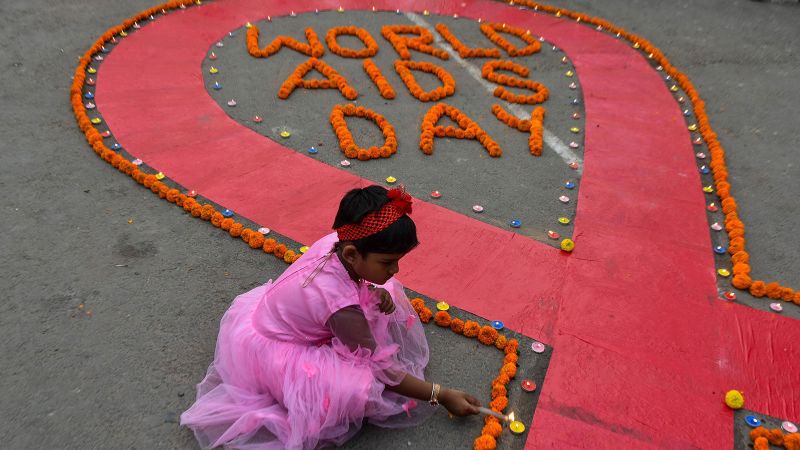
The US will not observe World AIDS Day this year
The United States has decided not to commemorate World AIDS Day this year, marking a departure from a tradition observed annually since 1988, which aimed to raise awareness about efforts to combat the disease and to memorialize those lost to it, reports BritPanorama.
Globally, an estimated 39.9 million people are living with HIV, the virus that leads to AIDS, with approximately 1.2 million of those individuals in the United States. Notably, around 13% of those with HIV in the US are unaware of their status, a significant factor in the ongoing transmission of the virus.
The observance of World AIDS Day was initiated by the World Health Organization, which has seen reduced cooperation from the Trump administration this year. The significance of the day, however, has continued to resonate through various global organizations and communities.
“An awareness day is not a strategy. Under the leadership of President Trump, the State Department is working directly with foreign governments to save lives and increase their responsibility and burden sharing,” stated State Department deputy spokesperson Tommy Pigott. He emphasized that earlier this year, a global health strategy was released, aimed at modernizing America’s approach to combatting infectious diseases.
A senior administration official reiterated the US commitment to tackling HIV/AIDS through the new global health strategy and the President’s Emergency Plan for AIDS Relief, or PEPFAR, which was established under President George W. Bush and has been credited with saving millions of lives.
However, health experts have raised concerns regarding the administration’s “America First Global Health Strategy,” warning that it could exacerbate existing vulnerabilities within public health systems already suffering from significant cuts in bilateral aid. The US Agency for International Development has faced scrutiny following reductions in foreign assistance funding, and while some assert potential benefits to the new approach, the predominant view reflects a significant shift from decades of established US health policy.
Dr. Anna Person, chair of the Infectious Diseases Society of America’s HIV Medicine Association, expressed serious concerns about these changes. “Efforts to unravel our country’s HIV response raise alarm bells,” she noted.
She further added, “Erasing HIV from the federal budget will not make the deadly virus go away but will reverse the progress made toward ending the HIV epidemic. Without continued research and support for HIV prevention, surveillance and services, new HIV transmissions and health care expenditures will climb, and people will die.”
The implications of such policy shifts continue to unfold, especially as global health efforts face increasing challenges in the context of shifting US foreign aid priorities.