Americans support space exploration, finds Ipsos poll
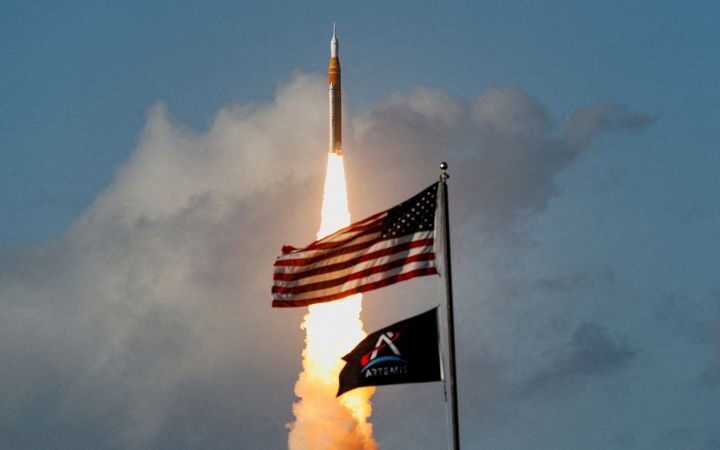
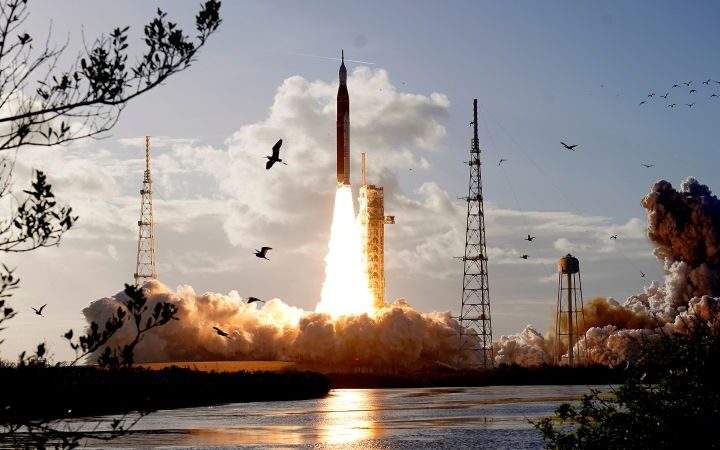
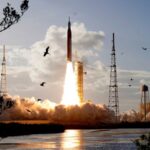
In a recent Ipsos poll conducted following the successful launch of Artemis II, 62% of American adults believe the benefits of NASA sending people into space outweigh the costs, compared to 34% who disagree, reports BritPanorama.
Despite overall low confidence in the US government, NASA maintains a favorable perception, garnering an 80% approval rating among respondents. Notably, sentiments regarding the space program appear relatively unpolarized compared to views of other government agencies.
Historical context reveals a shift in public opinion towards space exploration. In the wake of the Apollo 11 moon landing in 1969, support fluctuated, with only about 39% questioning whether the costs were justified. Recent trends indicate a growing acceptance of the space program’s value, evidenced by Gallup surveys showing increasing support over the decades, particularly around the 50th anniversary of the moon landing.
One caveat in public opinion polling highlights that context can significantly affect responses. For example, when survey questions emphasize financial costs, support for new space initiatives tends to decrease, as seen in earlier polling data.
As interest in human spaceflight continues to develop, past surveys suggest a gradual increase in willingness among Americans to consider participating in space travel. While initial skepticism was high, recent data indicates a substantial shift, with nearly half expressing a desire to orbit the Earth or travel to the moon.
The public was initially dubious about the chances of a moon landing
In a 1949 Gallup poll regarding whether “men in rockets will be able to reach the moon” within 50 years, only 15% affirmed the prospect. By the mid-1950s, optimism grew, with 38% expressing confidence, and by 1957, a considerable portion of the public expected lunar missions to occur within 25 years.
Most Americans are just fine down here, thanks
The reluctance to participate in space travel was evident during the early years of the space race. For instance, in a 1955 Gallup poll, only 9% of respondents indicated a desire to join the first rocket flight to the moon; this figure dipped to 5% two years later, revealing a significant apprehension toward personal spaceflight.
In the years following, interest in the idea of space tourism began to emerge, albeit modestly. A 1999 CBS News poll revealed that 21% of individuals were hopeful about future “vacation cruises in outer space.” A 2021 Marist poll indicated 45% support for space travel among respondents, suggesting that younger individuals and men were more enthusiastic about joining space missions.
The moon landing leaves a deep impact
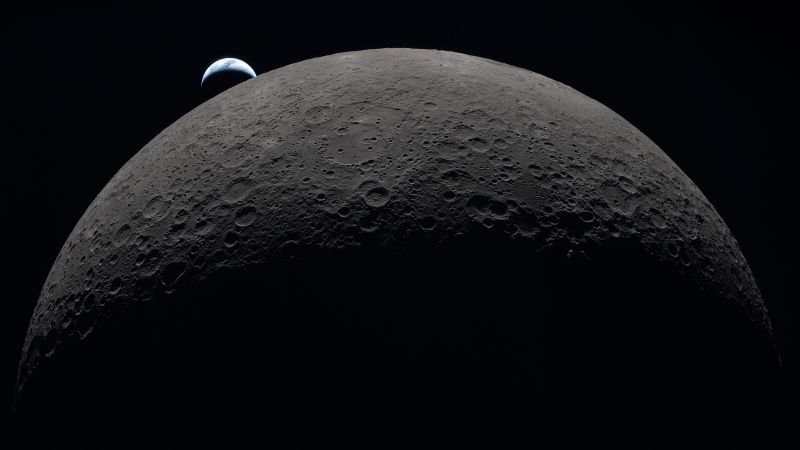
In late 1969, nearly half of Americans cited the moon landing as the most significant global event of the year, a sentiment underscored in retrospective surveys that revealed over 80% of older Americans had watched the event live on television. This historic achievement’s legacy has endured, with recent polls showing public pride in NASA’s accomplishments and a desire to continue exploring the moon.
What’s next? Watch this space
Public expectations for 1990, as gauged by Gallup in the late 1960s, predicted advances such as living on the moon alongside abundant aspirations for societal progress. In polls leading to public discussions about space priorities, a significant portion of Americans favours exploring Mars over returning to the moon, emphasizing an evolving vision for the future of space exploration.
The ongoing Artemis II mission is situated within this broader context of historical and future aspirations about space, underscoring both challenges and achievements as the United States continues to lead in space exploration efforts.