Winter Olympics athletes face norovirus outbreak
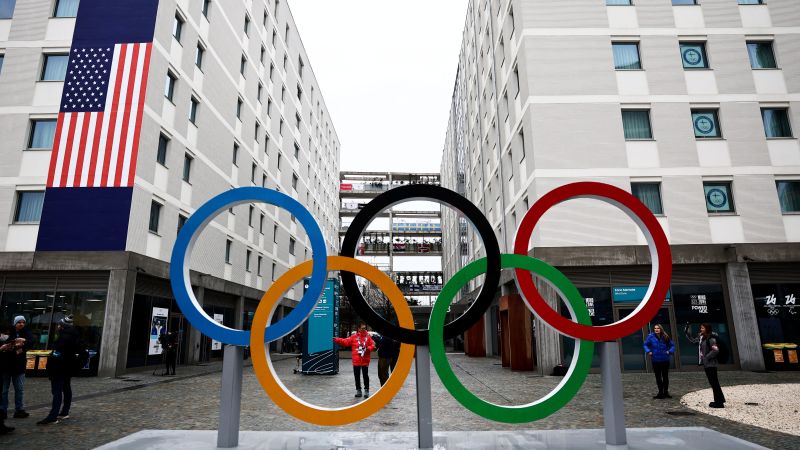
Some Winter Olympics athletes have fallen ill with norovirus, prompting Team USA to emphasize its commitment to controlling the spread of the virus, reports BritPanorama.
The US Olympic and Paralympic Committee is taking measures to protect athletes from infections, according to Carrie Aprik, the committee’s winter sports dietitian. She indicated that these health measures remain a priority as they seek to shield participants from illness.
“These cases are a good reminder for us to stay dialed in our hygiene strategies — most importantly, frequent handwashing,” Aprik said in an email. She advised the entire delegation to maintain close contact with medical staff whenever symptoms arise.
Norovirus cases have also been reported among Team Finland, resulting in the postponement of a women’s ice hockey game against Canada, which will now take place on Thursday. The decision to postpone was made “collectively and in accordance with established health and safety principles,” stated the International Olympic Committee (IOC).
Additionally, one member of Team Switzerland has tested positive for the virus. While the US Centers for Disease Control and Prevention defines a norovirus outbreak as “two or more similar illnesses resulting from a common exposure,” IOC officials have refrained from labeling the situation an outbreak.
Norovirus is recognized as the leading infectious cause of vomiting and diarrhea globally, spreading easily in environments where people are in close quarters, such as cruise ships and sports venues. It was also a concern at previous Winter Olympics, particularly during the 2018 Games in South Korea, when officials scrambled to manage similar outbreaks.
“Illness mitigation is always top of mind,” Aprik wrote, adding that strategies to reduce the spread of the virus include disinfecting surfaces, proper hand hygiene, and avoiding the sharing of personal items.
Dr. Dan Barouch, director of the Center for Virology and Vaccine Research at Beth Israel Deaconess Medical Center, commented on the potential for norovirus to cause large outbreaks. “The concern for the Olympics is that we hope to prevent a large number of people coming down with norovirus to avoid disruptions in competition,” he said. He suggested isolation and quarantine measures for affected individuals as well as promoting rigorous hand hygiene.
According to Barouch, the virus’s highly contagious nature, along with the seasonal increase in cases, poses a significant risk, especially in winter months when people tend to congregate indoors. Symptoms usually appear swiftly, within 12 to 48 hours of exposure, and include diarrhea, vomiting, nausea, and abdominal pain. “The good news is that most people recover from it very quickly,” Barouch noted.
While there is no specific antiviral treatment available, Barouch emphasized the importance of staying hydrated during illness. Mild cases can typically resolve within a few days, but severe symptoms may necessitate medical attention for hydration and electrolytes. Athletes experiencing norovirus symptoms are advised to maintain fluid intake, consume easily digestible meals, and ensure nutritional support to mitigate symptom severity.
Food safety is paramount for Olympic teams, according to Edwin Johnson, director of clinical nutrition services at South Brooklyn Health, who has experience in sports performance despite not being involved with the current Winter Olympics. He underscored the logistical challenges of maintaining food safety to avoid foodborne illnesses among athletes.
“If a swimmer gets food poisoning 24 hours before a race, four years of training just evaporated,” Johnson stressed in an email. He offered practical advice to athletes on food safety, recommending familiarity with their diet and prudent eating choices in a high-traffic environment like the Olympic Village. “The single most effective thing an athlete can do to stay in the competition is washing their hands before eating,” he concluded.
This emphasis on hygiene reflects broader health strategies in place as the Winter Olympics continue, with ongoing vigilance essential to safeguard athletes’ health during the games.