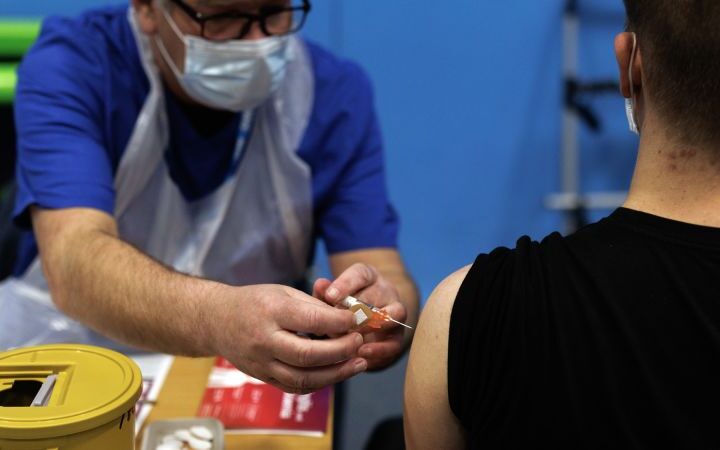
The U.S. FDA has initiated fresh safety scrutiny of approved RSV treatments for infants, signaling a potential shift in regulatory oversight amid growing concerns from vaccine skeptics, reports BritPanorama.
Merck’s Enflonsia and Sanofi and AstraZeneca’s Beyfortus are at the forefront of this renewed examination. The scrutiny follows actions by Health Secretary Robert F. Kennedy Jr., an established proponent of anti-vaccine views, who is currently overseeing a review of childhood immunizations in the United States.
Kennedy has raised alarms about the safety protocols of numerous pharmaceutical products. A consortium of medical experts and state health officials has voiced concerns that Kennedy’s approach may undermine a vaccination framework designed to prevent widespread disease.
Inquiries by Kennedy appointees
FDA personnel appointed under Kennedy began scrutinizing the recently approved RSV therapies over the summer. Sources and internal communications reveal that senior FDA adviser Tracy Beth Hoeg commenced safety inquiries as early as June, although it remains unclear what precipitated this review.
Hoeg has previously criticized U.S. health guidelines set during the COVID-19 pandemic and has openly questioned certain childhood vaccines. In August, independent journalist Maryanne Demasi suggested that the RSV therapies might heighten seizure risks, although numerous safety studies have contradicted this claim.
Historical data from federally sanctioned studies indicates no conclusive evidence linking these treatments to seizure occurrences.
George Tidmarsh, the former head of the FDA division that oversees RSV therapies, advised his team in late August to revisit the status of Enflonsia concerning its recent approval. Beyfortus has been available in the U.S. market since July 2023.
Following Hoeg’s inquiries, FDA officials convened a call with the manufacturers last week, briefing them about the anticipated emergence of additional safety questions. This meeting emphasized the seriousness of the ongoing review, although specifics about the data required from the companies were not provided.
It remains uncertain if the FDA’s investigation will lead to label alterations or limitations on the RSV therapies’ availability. Nixon reaffirmed that the agency routinely assesses emerging safety data, with any necessary product label updates hinging on comprehensive evidence.
Sanofi contended that the efficacy and safety of Beyfortus have been substantiated through over 50 studies involving more than 400,000 infants, while Merck expressed optimism regarding its product’s safety profile.
Reducing risk for infants
Federal data estimates that two to three out of every 100 infants under six months are hospitalized due to RSV each year. The illness poses serious respiratory challenges and can lead to severe pneumonia, which is potentially life-threatening for vulnerable infants.
Unlike traditional vaccines, these therapies do not compel the immune system to generate antibodies; rather, they offer ready-made antibodies to shield infants during their early months of life. Beyfortus alone generated over $2.6 billion in global sales in 2024, while Enflonsia is projected to earn around $250 million in the upcoming year.
The RSV therapies are integrated into the U.S. Centers for Disease Control and Prevention’s recommended immunization schedule for children. A recent CDC study demonstrated a 43% reduction in RSV hospitalizations among infants during the 2024-25 season compared to timeframes from 2018 to 2020.
Scientists push back
Demasi has criticized the CDC’s approach, specifically its methodology in analyzing Beyfortus outcomes for differing age groups, arguing that a combined analysis reveals potential seizure risks. However, some experts, such as Jake Scott from Stanford University, have defended the split analysis. Scott posits that older infants receiving multiple vaccines concurrently provides context when evaluating any adverse events, distinguishing them from the younger cohort.
Scott cautioned against retracting RSV treatments based on unfounded fears, asserting that such measures could endanger public health and disturb the integrity of the scientific advisory system in America.
Just days after Demasi’s commentary, Malone, a vaccine adviser under Kennedy, expressed regret over previously endorsing Enflonsia based on CDC data. He articulated concerns that reliance on that data appeared misplaced.
At a subsequent meeting, Hoeg referenced data from clinical trials that suggested an “unfavorable imbalance” in mortality related to the RSV therapies, an issue that, while statistically insignificant, she indicated could be re-evaluated by the committee.