As the United States accelerates plans for a permanent lunar base, concerns mount regarding its future presence in low-Earth orbit (LEO), particularly with the aging International Space Station (ISS) set for possible retirement by 2030, reports BritPanorama.
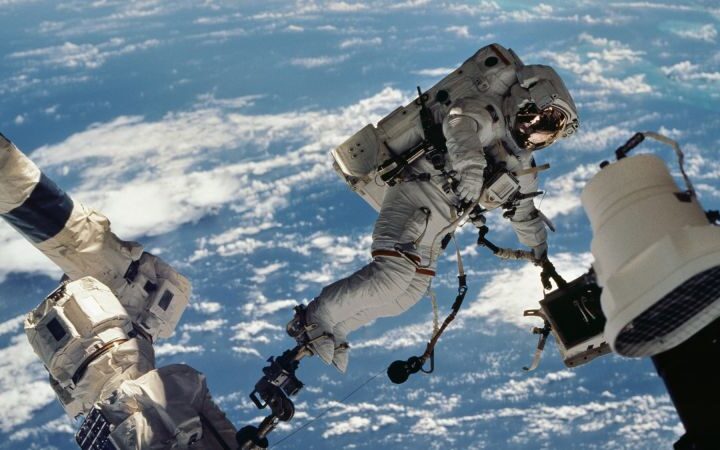
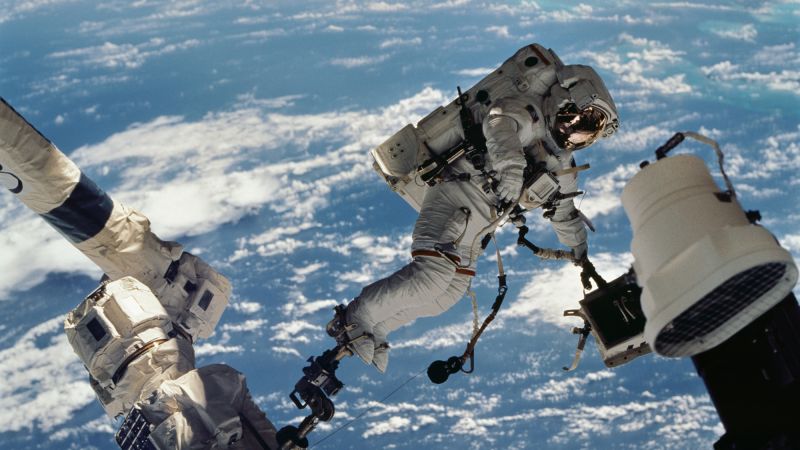
The ISS, which has hosted nearly 300 people over more than 25 years, has become vital for conducting scientific research that supports deeper space missions. However, NASA is facing significant challenges in ensuring continuous access to space amid the station’s eventual decommissioning. The agency’s ability to maintain a human presence in orbit is essential for national security, as experts have warned that leaving LEO without a functional research platform could severely hinder U.S. capabilities in space.
“Leaving LEO without a functioning space station on which NASA astronauts can conduct research necessary to support missions deeper into space would create a dire gap,” warned industry experts, highlighting the urgent need for a transition to new commercial space stations.
The situation is aggravated by the global competition in space, notably from China’s Tiangong space station, which opened in 2022. With the prospect of the ISS retired, many technologies could evolve to align with Tiangong standards if it becomes the only operational space station in LEO.
Dylan Taylor, CEO of Voyager Technologies, emphasized the importance of U.S. presence in orbit, noting, “China has a new, advanced space station…so it’s really important that we have continuous human presence on orbit.”
While NASA has pledged to support the ISS through to at least 2030, Congress is concerned that this timeline is insufficient for developing a replacement. A recent Senate bill advocates extending funding for the ISS until 2032, citing delays in NASA’s procurement process for commercial LEO services.
The consequences of a gap in U.S. space station operations are increasingly apparent. Without clear and timely guidance from NASA, private sector players remain unsure about their investment and development strategies. NASA’s request for proposals remains delayed, leading to uncertainties about the future of commercial space stations amid legislative and administrative hold-ups.
In 2025, a government shutdown further complicated matters by halting decision-making processes. Although companies such as Axiom Space and Vast have begun securing funding to expedite development, they face pressure to demonstrate viable alternatives to the ISS before it ceases operations.
The space landscape will require significant investment and innovation. Vast, for instance, aims to launch its Haven-1 module by 2027, symbolizing a substantial step toward replacing the ISS. Likewise, Axiom Space has targeted a module to attach to the ISS before becoming independent by 2028. Yet, a sustainable future for these ventures largely hinges on NASA’s collaboration and funding.
Against this backdrop, stakeholders caution that the decommissioning of the ISS risks compromising U.S. leadership in space exploration, particularly as national security and economic considerations intertwine in the realm of LEO. Experts warn that a vacuum in U.S. space presence could have far-reaching implications beyond immediate research goals.
The ISS has faced mounting maintenance challenges, including leaks and micrometeoroid impacts, with its operational life now in increasing jeopardy. Any premature decommissioning could jeopardize essential research needed for the Artemis missions and subsequent objectives beyond the Moon.
Experts have sounded alarms over the potential fallout for national security and economic prosperity without a robust U.S. presence in LEO. “A lot of people think that national security only rests on the military, but frankly, national security and economic prosperity — they go hand in hand,” stated Dr. Heather Pringle, CEO of the Space Foundation and former U.S. Air Force major general.
Additionally, the urgency of sustaining a U.S. presence in orbit emphasizes the strategic importance of LEO for scientific advancement and international collaboration. With research from the ISS paving the way for deeper space exploration, ongoing alignment and prioritization among U.S. space agencies will be vital.
This scenario underlines the critical need for timely investment and operational continuity in the evolving commercial space sector. As stakeholders navigate these challenges, the future landscape remains uncertain, echoing the continual evolution of space exploration and international competition ahead.