Measles outbreak continues in the US, one year after Texas epidemic
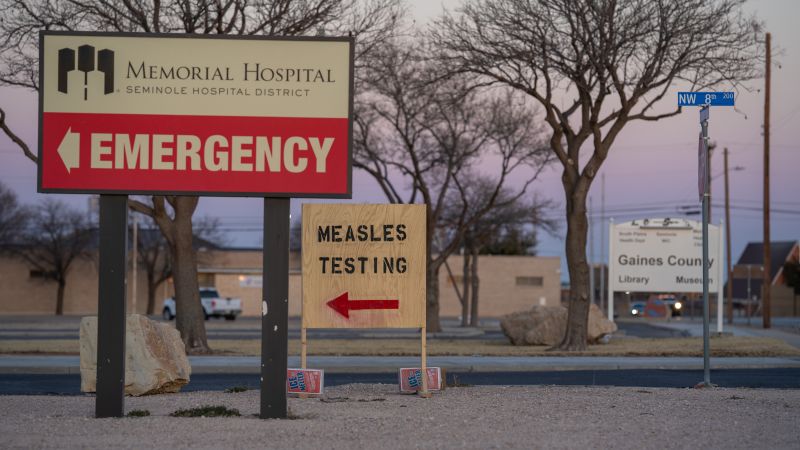
The measles outbreak that began in West Texas one year ago remains an ongoing concern, with new cases reported weekly across the United States, reports BritPanorama.
Texas has recorded more than 760 cases and two child fatalities before declaring the outbreak over in August 2025. This incident marked the largest measles outbreak in the US in decades. Following this, significant outbreaks in South Carolina and along the Utah-Arizona border have resulted in hundreds of additional cases, which are still increasing.
The first two weeks of 2026 have seen alarming developments, with reports of measles exposures at various public venues including schools, churches, and airports. The persistent spread raises concerns about the United States potentially losing its long-held elimination status for measles, a designation maintained since the year 2000.
“It is startling, because just a few years ago measles was very rare in the United States,” said Dr. Caitlin Rivers, an epidemiologist at the Johns Hopkins Bloomberg School of Public Health. She noted that current weekly cases are comparable to annual totals from years past. “There’s been a real shift in the presence of this preventable disease in our life.”
Experts emphasize that reversing this trend hinges on improving vaccination coverage, a challenge complicated by persistent vaccine hesitancy. In 2025, the US recorded over 2,200 confirmed measles cases, a notable increase from any previous year since 2000. Reports indicate 171 cases in just the first few weeks of 2026, nearing the pre-elimination annual averages.
More than 95% of those infected were unvaccinated, fueling concerns that conditions may deteriorate significantly before improving. The anticipated impact includes both severe health risks and preventable fatalities, underscoring that public health responses must urgently focus on increasing vaccination rates.
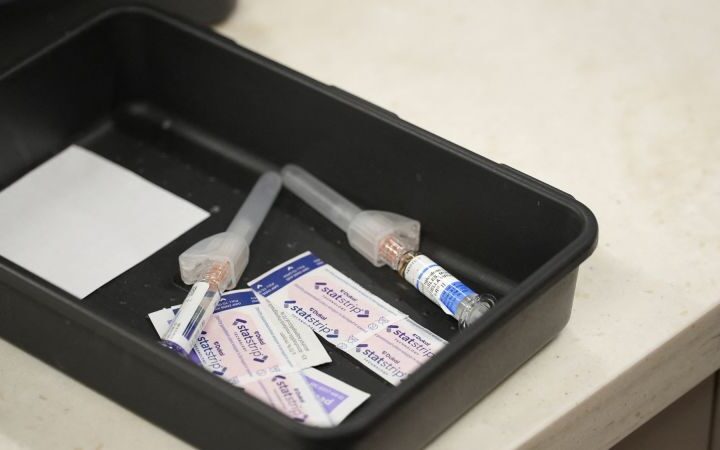
The ongoing outbreak has led to significant public health measures, such as mobile vaccination clinics in response to outbreaks in South Carolina. However, state epidemiologist Dr. Linda Bell acknowledged that participation has been disappointingly low.
“Measles elimination is a vital sign of our public health system. That public health system is blue in the ICU,” remarked Dr. Demetre Daskalakis, a former CDC official who resigned last year due to dissatisfaction with the response to vaccine coverage. He likened the current state of health responses to a public health crisis that could lead to the return of diseases previously thought eliminated.
Despite some metrics indicating a rise in vaccine exemptions, experts maintain that increased outreach and reform of school vaccination requirements could enhance coverage and mitigate risks. “We have all the pieces in place,” Dr. Rivers noted. “We just need families to understand how important it is.”
The recent changes to childhood vaccination recommendations have raised concerns about potential impacts on public perception of vaccines, which may further complicate efforts to restore high vaccination rates. While there are significant challenges ahead, many remain hopeful that appropriate actions can turn the tide against this resurgence of measles.
In the face of rising case numbers, the public health community continues to grapple with how best to address vaccine hesitancy and mobilize efforts to protect vulnerable populations, recognizing that a coordinated response is essential to prevent further outbreaks.