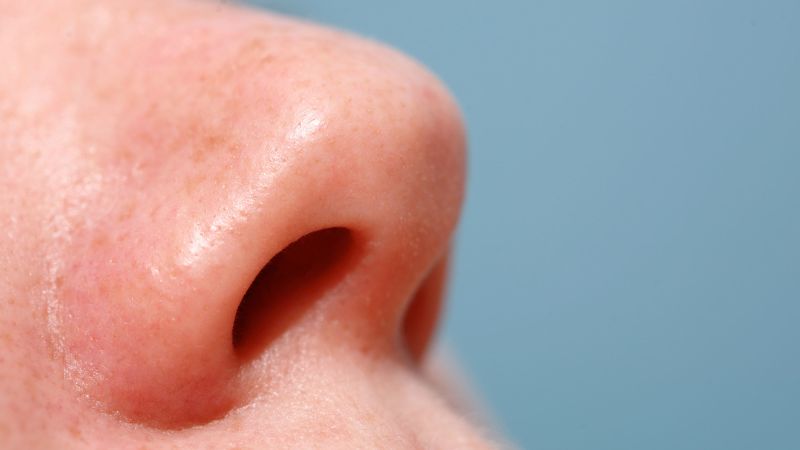
One of the most bothersome things about being sick or having seasonal allergies is that it makes your nose stuffy and blocked. This makes breathing in through your nostrils frustrating – if not altogether impossible, reports BritPanorama.
Even when you aren’t sick, you may notice that when taking a deep breath, only one nostril seems to be allowing air in. Before you panic and wonder if you’re coming down with something, what you’re experiencing is actually a normal bodily process.
Multiple times a day, without us even noticing, the nostrils naturally switch between a dominant nostril for airflow. This process is called the nasal cycle, and it plays an important role in the health of our nose.
The body actually switches the dominant nostril as frequently as every two hours while we’re awake. This switch is less frequent when we’re sleeping, as our breathing rate slows and the volume of air entering and leaving the body lowers.
During the congestion phase, one nostril will experience reduced airflow while the opposite nostril will be open, or decongested, allowing for more air to pass through. The decongested phase actually fatigues the open nostril, as air dries it out and brings pathogens into contact with it. This is why it’s important for the dominant nostril to swap.
This alternating cycle is automatic, regulated subconsciously by the hypothalamus in the brain. However, some people have no nasal cycle, such as those who have a hypothalamic disorder. There’s also evidence that the left nostril may be more dominant, particularly in right-handed people.
Studies looking at nasal breathing even suggest that when the right nostril is dominant, the body is in a more alert or stressed state. But when the left nostril takes over, the body is in a more relaxed state.
The nasal cycle is important for a number of reasons. First, it protects the lining of the nose and respiratory system. At least 12,000 litres of air pass through it each day, making it a key front-line defence from pathogens. Having the dominant nostril alternate reduces the risk of damage and makes it easier for the nasal passage to protect against pathogens.
The nose also needs to rest and repair. Air exposure dries it out – without time to recuperate, this could make it easier for pathogens and inflammation to cause damage.
Nasal cycle function
A number of things can affect the nasal cycle’s normal function. Respiratory conditions such as colds and flu result in an increase in mucous production. This restricts how easily the nasal passages can alternate.
Allergens such as pollen or dust mites can cause severe inflammation of the nasal tissues – again impeding proper function of the nasal cycle.
Certain medications, such as those for high blood pressure, can cause irritation of the nasal lining, too. This is because these drugs affect blood vessels throughout the body – including those in the nose.
Overuse of nasal decongestants (for more than five days at a time) can cause rhinitis medicamentosa – a form of congestion that occurs when you overuse these drugs. The sudden swelling of the nostril tissues affects the nasal cycle.
Structural issues can also interfere with the nasal cycle. Nasal polyps, which are found in up to 4% of people, are an outgrowth of the nasal lining that usually occurs in both nostrils. These limit how easily air can pass through the nostrils, making the nasal cycle ineffective and leaving both nostrils feeling blocked.
A deviated nasal septum – where the cartilage and bone plate between the nostrils is off-centre – can also make the nostrils feel constantly congested or blocked. This often requires surgery to improve breathing and sleep quality.
Even factors as simple as lying in bed or slouching over can affect the nasal cycle. When you lie down, blood pools in the tissues of the nose. Gravity also causes the contents of the sinuses to move into the nostril closest to the pillow. This can block one of the nostrils, making it harder to breathe and preventing the nasal cycle from working as normal.
If you’re struggling with blocked nostrils, infections such as colds and the flu are usually the most common culprit. It can take up to two weeks to clear the congestion. Sinusitis, where the sinuses become infected, can last for four weeks.
Pollen allergies can also lead to an abnormal nasal cycle. This symptom can last for weeks depending on the specific allergen. Regularly taking antihistamines during hay fever season may help to reduce symptoms and clear congestion.
But if you find one nostril is persistently blocked for more than two weeks, it’s usually advisable to get it checked out – particularly if there’s mucus coming from your nose or a discharge that doesn’t look normal for you.