Health officials investigate meningococcal infection cluster in the UK
Health officials in the United Kingdom are investigating a cluster of meningococcal infections, including two deaths, reports BritPanorama.
The current outbreak has raised concerns regarding meningococcal group B, or MenB, an infection known to cause severe illness, particularly among adolescents and young adults. As of Thursday, UK health authorities had confirmed 15 laboratory cases and 12 suspected cases in Kent, totaling 27. Many infections have been linked to a nightclub exposure, which has contributed to the rapid emergence of this cluster.
Meningococcal disease can prove fatal in 8% to 15% of cases, even with treatment, and survivors may face long-term complications like hearing loss and neurological damage. The swift rise in reported cases prompted public health officials to act quickly, identifying contacts at risk and aiming to limit further spread.
Dr. Leana Wen, an emergency physician and wellness expert, explained that the outbreak reflects a localized cluster rather than widespread transmission. However, public health officials noted the unusual speed and concentration of cases, underscoring the need for heightened awareness. Yet, the overall public risk remains low, as meningococcal disease is generally rare.
Transmission occurs through respiratory and throat secretions, often requiring close or prolonged contact. Additionally, particular age groups demonstrate higher susceptibility to infection: infants, adolescents and young adults, and adults aged 65 and older. Other contributing factors to increased risk include individuals with certain medical conditions, such as immune disorders.
Early symptoms can mimic common illnesses and include fever, headache, and fatigue. The danger lies in the potential rapid progression of the disease, where symptoms can escalate to severe headaches and confusion within hours. Clinicians are advised to maintain a high index of suspicion due to this quick deterioration.
If meningococcal disease is suspected, it constitutes a medical emergency. Those affected should seek immediate care, as timely antibiotic treatment is crucial. Preventive antibiotics are also recommended for close contacts of confirmed cases.
In response to the outbreak, thousands of doses of preventive antibiotics have been distributed to individuals linked to the nightclub exposure in Kent. Individuals should remain vigilant regarding symptoms, as preventive measures do not replace the need for treatment if illness develops.
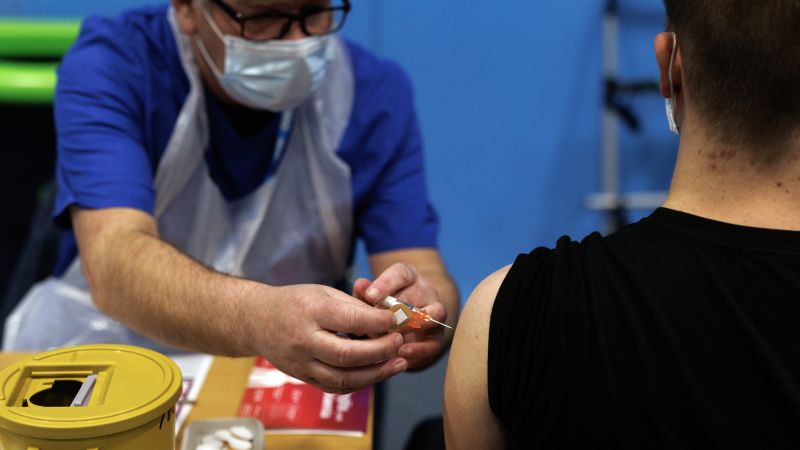
With the outbreak drawing attention to meningococcal vaccination, health officials encourage families, particularly those with teenagers and young adults, to review their vaccination status with a focus on MenB. Timely discussions may mitigate risks and enhance community safety amidst ongoing health concerns.
As public health officials continue to monitor and manage this outbreak, the emphasis remains on awareness and preparedness in protecting community health.