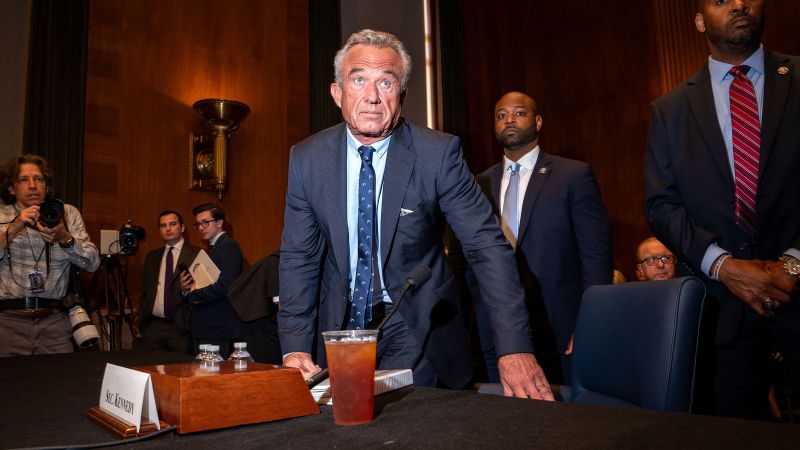
Trust in US health agencies dwindles under Robert F. Kennedy Jr.
Trust in the United States’ public health system has significantly declined since Robert F. Kennedy Jr. was sworn in as Secretary of Health and Human Services on February 13, 2025, with stakeholders expressing deep concerns over the future of public health initiatives, reports BritPanorama.
Polling data indicates that Kennedy’s leadership has had the opposite effect of its intended goals, with trust in governmental health agencies falling sharply. According to a report from KFF, there have been noticeable declines across political affiliations, and experts warn that the situation could deteriorate further.
Dr. Jason Schwartz, an associate professor at Yale School of Public Health, stated that the federal government’s public health agencies now represent a major threat to programmes aimed at preventing diseases such as measles and whooping cough. His remarks highlight a scenario that would have been unimaginable only a few years ago.
In defense of the current administration, HHS spokesperson Andrew Nixon attributed the erosion of public trust to inconsistent messaging from the previous Biden administration, which he claims failed to anchor its guidance in solid evidence. Nixon emphasized that Kennedy’s mandate is to restore transparency and scientific rigor within the department, asserting it is the most transparent HHS in its history.
However, Kennedy’s methods have raised concerns, particularly his decision to dismiss all members of the CDC’s vaccine advisory panel just months into his tenure. He subsequently published an opinion piece in the Wall Street Journal, advocating for a restoration of public trust in vaccines.
The aftermath of these changes manifested quickly. The day after Kennedy’s swearing-in, thousands were dismissed from the CDC, FDA, and NIH as part of an extensive government efficiency push, leading to the dramatic restructuring of the HHS, which aimed to reduce its workforce by nearly a quarter, totaling approximately 20,000 positions.
Emerging public health emergencies have compounded the challenges facing Kennedy. Shortly after his appointment, health officials in Texas reported a death due to a measles outbreak—a harbinger of the ensuing crisis that would see two additional deaths and significant outbreaks in various states over the following year. Critics suggest that radical policy changes in vaccine recommendations and other healthcare strategies could compromise public health safety.
As trust in the CDC dwindles—plummeting from a KFF report showing 59% confidence earlier in 2025 to just 47% more recently—a divide has been evident between political parties. Despite attempts to promote new dietary guidelines and transparency initiatives, experts assert that actions taken thus far cannot offset the significant damage inflicted on public trust in healthcare.
Dr. Michael Osterholm criticized the department’s departure from evidence-based decisions regarding vaccine schedules, arguing that these ideological shifts have jeopardized public health and contributed to increased disease prevalence, particularly as measles cases rise.
In a recent indication of deteriorating confidence in public health messages, Dr. Susan Monarez, the CDC’s newly appointed leader, was ousted after less than a month in her role, which further destabilized the organisation amidst a backdrop of shootings and growing public distrust linked to health misinformation.
The CDC currently lacks a confirmed director, with the White House withdrawing its nomination for Dr. David Weldon amid political concerns, which further underscores the instability within federal health leadership under Kennedy’s administration.
While advocates voice support for Kennedy’s ambitious reforms, contending that he is ushering in necessary changes, detractors continue to voice concerns regarding his strategies and the broader implications for public health resilience. As ongoing crises unfold, the path toward restoring trust in health agencies remains unclear.
The complex interplay of personnel changes, public health crises, and trust erosion reflects an uncertain future for the US healthcare apparatus—an ongoing story that demands close scrutiny.