Experts advocate for early discussions on fertility
At a recent health conference, family doctor Marguerite Duane proposed that conversations about fertility should start early, suggesting healthcare professionals engage with young girls about their future family plans. Duane emphasized the importance of initiating these discussions around ages eight to twelve, stating, “If you hope to have children one day, there are things that you need to consider and have the conversation early,” reports BritPanorama.
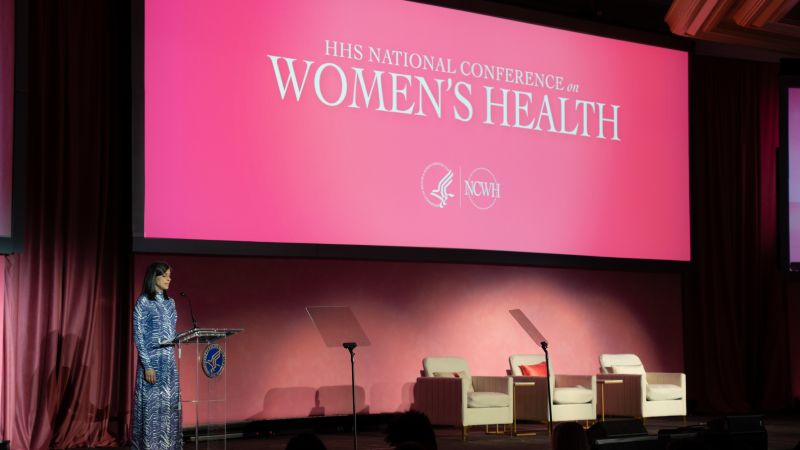
Duane, affiliated with the anti-abortion Charlotte Lozier Institute and a specialist in restorative reproductive medicine, presented her views at the Trump administration’s inaugural National Conference on Women’s Health. The event, aimed at addressing health issues affecting women, was well-received by the attendees.
The conference, hosted by the Department of Health and Human Services, sought to explore advancements in research, prevention, diagnosis, and treatment of conditions impacting women’s health throughout their lives. The gathering included a diverse mix of influential figures, from wealthy philanthropists to medical researchers, discussing various health topics ranging from Lyme disease to gut health.
Given that President Donald Trump’s support is reportedly declining among key voting demographics, the event was strategically implemented to present alternative viewpoints on women’s health and broaden the conversation beyond conventional medical narratives. Notably, during a panel discussion led by Alexis Joel, inquiries arose regarding the extensive use of hormonal birth control as a treatment option for health symptoms among women.
Several panelists, including Duane, expressed discomfort with hormonal contraceptives, citing personal values and their cultural perspectives. Current data indicate that nearly a third of U.S. women aged 18 to 49 have utilized birth control pills over the past year, with these medications prescribed for a range of health issues, including managing heavy periods and treating uterine fibroids.
Joel highlighted her experience with endometriosis, a condition often associated with dismissed concerns regarding menstrual pain, illustrating a recurring issue within the healthcare system. Asima Ahmad, another physician specializing in fertility, advocated for treatments targeting root causes rather than opting for birth control pills as a solution.
The conversation has echoed the sentiment that a profound gap exists in education regarding pregnancy and fertility, with many girls lacking critical information on recognizing infertility signs. This gap points to a broader need for educational reform, as many discussions around family planning concentrate excessively on avoiding pregnancy rather than fostering knowledge about family growth.
Duane’s initiative could pave the way for a paradigm shift in how health professionals approach fertility discussions with young girls, potentially reshaping future healthcare practices.
The ongoing dialogue around these critical issues underscores that the journey towards better reproductive health remains a complex challenge, one that requires persistent advocacy and informed engagement.