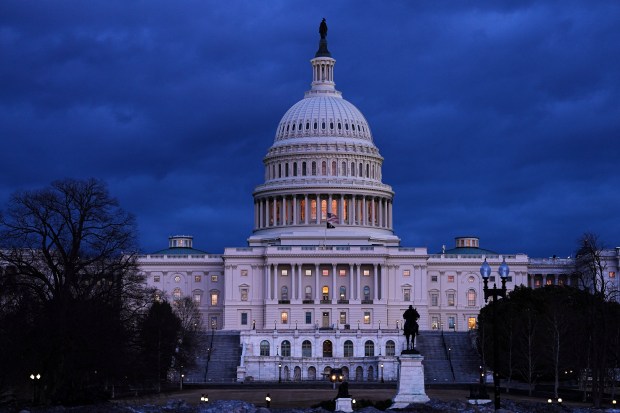
Supporters of the “Make America Healthy Again” strategy have long opposed pesticides, making opposition to them a pillar of the movement. However, an executive order issued by President Donald Trump last week collides with that long-held stance, reports BritPanorama.
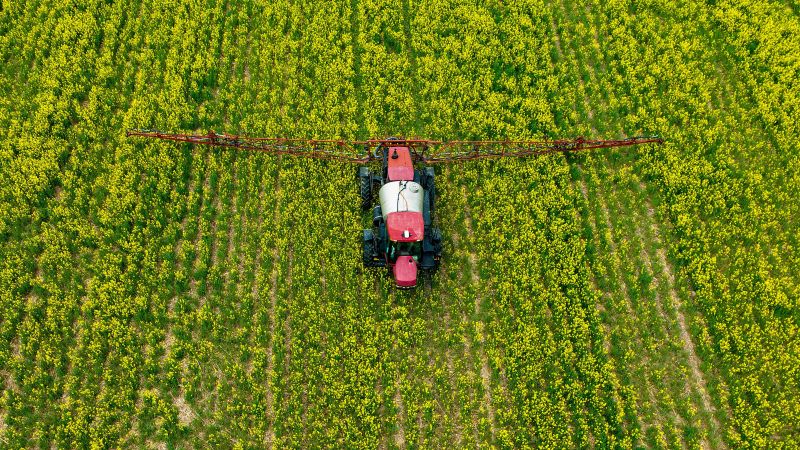
The order states that glyphosate — an herbicide found in Roundup, the world’s most widely used weed killer — is “central to American economic and national security” and calls for an adequate domestic supply. Glyphosate inhibits protein synthesis in plants and microorganisms, ultimately leading to their death. Scientists can genetically modify corn, soybeans, and cotton — three field crops that account for the vast majority of glyphosate use in the United States — to select which crops survive and which perish post-treatment.
US Health and Human Services Secretary Robert F. Kennedy Jr., a key figure in the MAHA movement, has long opposed glyphosate-based pesticides. In 2018, Kennedy aided in a lawsuit alleging that maker Monsanto knew Roundup caused cancer. He reiterated last month on a podcast that “I believe glyphosate causes cancer.” But Kennedy appeared to change his tone following the executive order.
“Donald Trump’s executive order puts America first where it matters most — our defense readiness and our food supply,” the HHS chief stated. “We must safeguard America’s national security first, because all of our priorities depend on it. When hostile actors control critical inputs, they weaken our security. By expanding domestic production, we close that gap and protect American families.”
The day before Trump’s order, Monsanto’s owner, Bayer, proposed a $7.25 billion settlement to address current and future claims that the product causes cancer. This settlement would not include an admission of liability or wrongdoing, and Bayer maintains that there is no evidence linking glyphosate to cancer.
“Experts and regulators worldwide have concluded that glyphosate-based products can be used safely as directed,” the company states. However, Moms Across America, a nonprofit supporting the MAHA agenda, has advocated for glyphosate bans and called the executive order “outrageous,” implying it could protect Monsanto — the only domestic producer of glyphosate — from lawsuits tied to pre-existing products.
“I was outraged. I was actually sick to my stomach,” said Zen Honeycutt, the group’s founder and executive director. “When I saw this executive order, it was basically a love letter to glyphosate.”
Kennedy remarked this month on a podcast that an outright glyphosate ban “would put out of business 80% of our farmers.” He acknowledged that the nation is “dependent upon something that we know makes us sick” and noted his agency’s work on finding alternatives to glyphosate.
Republican Representative Thomas Massie has introduced a bill that he claims would “undo” the order, leading Moms Across America to label him a “true health hero.”
Health concerns of glyphosate
In 2015, the World Health Organization classified glyphosate as a probable carcinogen, likening its safety hazard level to that of everyday items like hot beverages and red meat. Two major meta-analyses have indicated that exposure to glyphosate raises cancer risk, with one study suggesting a 41% increase in non-Hodgkin lymphoma for those in higher exposure categories. However, the US Environmental Protection Agency and the European Union’s European Food Safety Authority report no significant links.
“I worry about any human exposure to carcinogens,” stated Dr. Philip Landrigan, a pediatrician at Boston College. “But I worry especially when a high proportion of those exposed are children.” Some studies have indicated glyphosate may affect children even before birth, with one significant study linking exposure during pregnancy to preterm births.
“Surfactants probably enhance the ability of the glyphosate to get into the body,” Landrigan said, noting that glyphosate formulations with surfactants have demonstrated greater toxicity in laboratory conditions.
How to reduce exposure to glyphosate
Since the mid-1990s, the partnership between glyphosate and genetically modified crops has propelled glyphosate use, leading to a tenfold increase over two decades. The emergence of glyphosate-resistant weeds has prompted farmers to layer in additional herbicides such as dicamba and 2,4-D.
As glyphosate usage escalates, many farmers are now applying it closer to harvest, increasing its likelihood of lingering on products. Most people have been exposed to glyphosate, according to the US Centers for Disease Control and Prevention, with exposure often stemming from foods like whole-wheat products and drinking water.
The “single most effective” measure to reduce glyphosate exposure is by consuming foods with the USDA Organic seal, experts suggest. These organic products are not genetically modified, thus ensuring they can perish when sprayed with glyphosate.
Landrigan advises buying produce locally and washing it thoroughly before use, while acknowledging that avoiding glyphosate entirely is impractical due to its prevalence. The conversation around glyphosate and associated health risks continues as stakeholders engage in ongoing debates over agricultural practices and public health considerations.