TrumpRx, the Trump administration’s much-anticipated direct-to-consumer drug platform, is expected to launch on Thursday, according to two people familiar with the matter, reports BritPanorama.
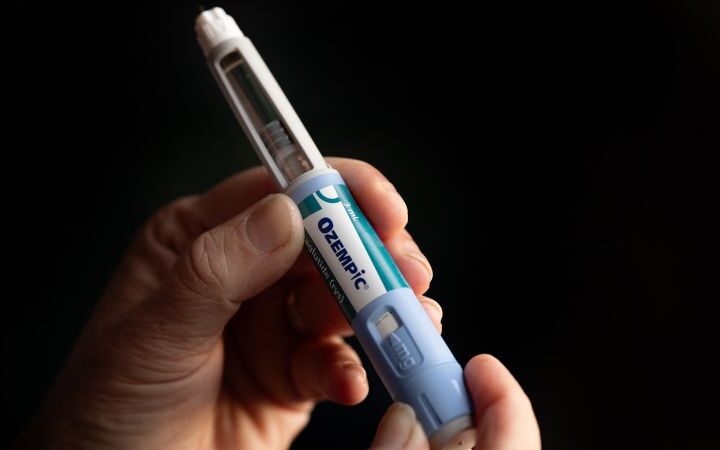
A key pillar of President Donald Trump’s effort to lower prescription drug costs, the website will serve as a clearinghouse that connects patients with drug makers selling certain products to those willing to pay cash and forgo insurance. The medications, including the blockbuster obesity drugs Zepbound and Wegovy, will be available at a discount through these channels.
However, it remains to be seen whether direct-to-consumer channels will actually result in lower costs for cash-paying patients with prescriptions. Experts note that while certain drugs, particularly obesity medications that are not widely covered by insurance, may become more affordable, many consumers could end up paying less for other medicines over the course of the year if they use their insurance.
At least 16 drug manufacturers have negotiated agreements with the administration to participate in the TrumpRx portal, though details remain scant on which medications will be available and at what prices. Some of the offerings announced include Eli Lilly’s Zepbound and Novo Nordisk’s Wegovy for as little as $149 a month; Amgen’s cholesterol-lowering drug Repatha for $239 a month; and Merck’s diabetes medication Januvia for $100.
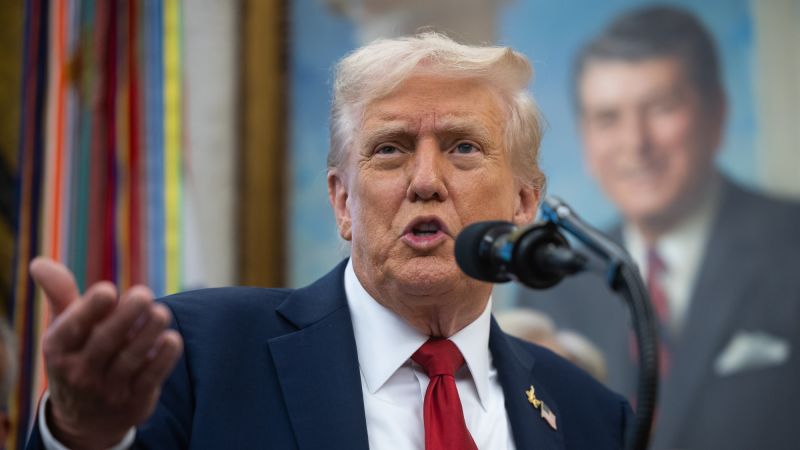
Trump has touted the drug pricing push as a major step toward lowering Americans’ healthcare costs, a significant pain point for many voters. In addition to TrumpRx, the “Most Favored Nation” effort includes provisions requiring drug makers to supply medicine to Medicaid and launch their drugs in the US at the lowest price available in peer countries.
Impact on costs
The idea of selling medications directly to consumers did not originate with the Trump administration. Entrepreneur Mark Cuban launched his online pharmacy, Cost Plus Drug Company, in 2022 to sell generic medications directly to consumers at cost plus a 15% markup, now offering some brand-name medicines.
Eli Lilly initiated direct sales of obesity, migraine, and diabetes drugs through LillyDirect early in 2024, while Novo Nordisk introduced NovoCare for direct sales of Wegovy just over a year later.
Trump has pushed to expand direct-to-consumer sales as a method to reduce costs by cutting out intermediaries like pharmacy benefit managers. He has pointed to significant discounts available on TrumpRx, although these savings are based on list prices that do not always reflect what patients end up paying.
The effort has garnered mixed reviews from experts; many suggest the channels’ impact will be limited initially. “TrumpRx might support access and affordability for a very small number of people,” said Rena Conti, an associate professor at the Boston University Questrom School of Business.
Much will depend on the specific drug, its price for cash payments, and the form of insurance the patient has, if any. Typically, consumers’ co-pays or co-insurance can be lower than prices available on these channels—particularly once deductibles are met.
For patients with smaller deductibles, relying on insurance may remain the more cost-effective route. Yet for those with higher deductibles, purchasing medicines through TrumpRx could be more beneficial, according to Joey Mattingly, an associate professor at the University of Utah’s College of Pharmacy. This, however, necessitates careful consumer research.
One critical consideration is whether insurers will recognize cash payments to drugmakers as counting towards annual deductibles. Otherwise, patients could find themselves paying hundreds of dollars monthly for medications without this expense contributing to their overall deductible, which could total in the thousands.
That dynamic may already be shifting. Express Scripts, a major pharmacy benefit manager owned by Cigna, recently reached a settlement with the Federal Trade Commission over accusations of artificially inflating insulin prices. Under the agreement, payments made through TrumpRx could count towards members’ deductibles and out-of-pocket maximums, contingent on certain legislative adjustments.
While Trump promotes the prospective price cuts, some patients may face sticker shock when assessing costs on TrumpRx. “Even with substantial discounts for brand-name drugs, prices may still be unaffordable for many,” observed Stacie Dusetzina, a health policy professor at Vanderbilt University Medical Center. “Once pricing exceeds approximately $100 a month, we know that many individuals will forgo filling prescriptions at that rate.”
Though drug manufacturers have yet to reveal the complete list of products offered via TrumpRx, the announced medications have raised eyebrows among experts. Some are strong-sellers available at considerable discounts, while others are older drugs that have inexpensive generics or are likely priced comparably to what insurers pay.
The growth of direct-to-consumer channels is increasingly significant for some manufacturers, particularly Novo Nordisk and Eli Lilly. Consumers have been turning to NovoCare and LillyDirect for discounted weight loss medications even prior to the TrumpRx launch. Those drugmakers had already lowered their prices for cash-paying customers, although the Trump administration negotiated deeper cuts.
Prescriptions via Novo Nordisk’s self-pay channel accounted for about 30% of total prescriptions for Wegovy, according to the company’s latest financial report. Meanwhile, Eli Lilly’s self-pay vials of Zepbound have become their most popular offering, constituting a third of new patients starting on any brand-name obesity drug, as noted during their recent earnings call.
One reason cash-pay portals for obesity drugs are gaining traction is that many patients lack insurance coverage for these medications. However, consumers may show less interest in self-paying for other medications if insurance options exist. “I don’t think people are as excited to pay for blood thinners out of pocket,” remarked Evan Seigerman, senior analyst at BMO Capital Markets. “They expect their insurance to cover those costs.”
The direct-to-consumer strategy introduces significant complexities that could reshape patient access and insurance practices moving forward. The implications of this initiative, still unfolding, suggest a redefined landscape in prescription drug pricing.