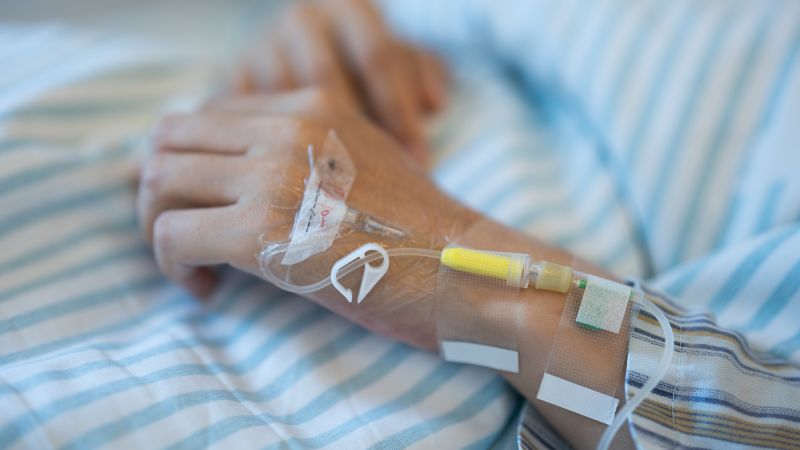
Researchers have found that the timing of initial immunotherapy treatments can significantly impact survival rates for lung cancer patients. In a study, participants diagnosed with non-small-cell lung cancers were assigned to receive their first immunotherapy treatments either before or after 3 p.m. The results indicated that those treated earlier in the day experienced an average of five additional months without cancer progression, and they survived almost a year longer than their counterparts, reports BritPanorama.
The study observed 210 patients over more than 28 months, revealing that those in the morning treatment group had no cancer progression for an average of 11.3 months, compared to 5.7 months for those who received treatment later. Ultimately, around 45% of the early treatment group was still alive at the end of the study, while only about 15% of the later-treated group survived.
Alongside survival benefits, blood tests demonstrated that patients receiving medication earlier in the day had a higher count of immune cells capable of attacking cancer, supporting the theory that timing plays a role in treatment efficacy. The findings complement existing research that suggested timing influences the effectiveness of vaccines and the outcomes of surgical procedures.
Dr. Christoph Scheiermann, a co-author of the study from the University of Geneva, highlighted the dramatic nature of the results, urging for further investigation to corroborate these findings across different populations. The study’s authors hope that ongoing research will help clarify the reasons behind the observed effects and contribute to a broader understanding of the immune system’s circadian rhythms.
These findings come at a time of renewed interest in how the body’s internal clocks can affect various biological processes, including cancer treatments. While the study presents compelling evidence, experts advise caution, noting the need for additional trials to confirm these findings in diverse patient cohorts. The implications could reshape how immunotherapy is administered, potentially leading to more effective treatment schedules in future oncology practices.
As research continues, the intersection of circadian rhythms and cancer treatment remains a developing field, raising questions about how to best harness biological timing for therapeutic benefits.