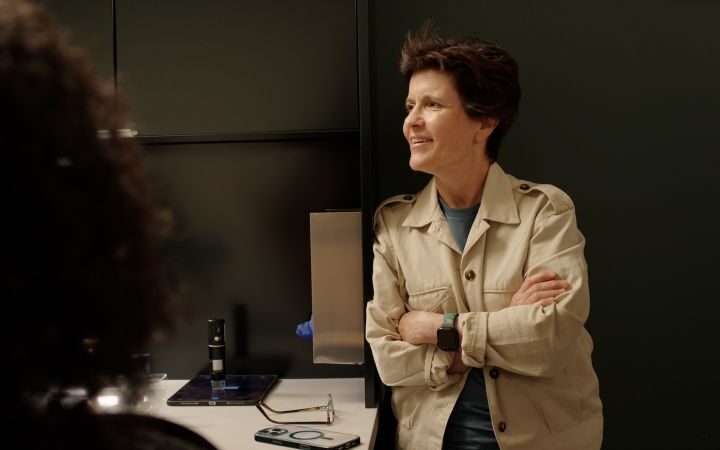
The search for immortality has evolved significantly as technology meets age-old human desires, with a new CNN series titled “Kara Swisher Wants to Live Forever” set to explore these themes of life extension through the lens of modern-day billionaires and their strategies. The series, which is premiering on April 11, 2026, seeks to unravel what constitutes genuine advancements in longevity versus superficial trends, reports BritPanorama.
This fascination with extending life is not new; it has historical precedents dating back to ancient texts. The “Epic of Gilgamesh” recounts a king’s quest for eternal life following the grief of losing a friend, while myths surrounding the “fountain of youth” have captivated people from the time of Alexander the Great through to the explorers of the 16th century.
In contemporary times, the focus is increasingly on the role of technology and innovation. Tech billionaires are trying to unlock the secrets of longevity through artificial intelligence, supplements, and advanced medical treatments, each contributing to a modern narrative of health and lifespan.
Swisher’s series features critical insights on the investments made by wealthy individuals in wellness and longevity. While she acknowledges that many approaches may overlook essential aspects of health, there are proven, actionable strategies for improving both lifespan and health span. The series will highlight small lifestyle changes that can lead to substantial benefits over time.
The ongoing conversation around longevity draws parallels with myths of the past, bringing forward a critical question: Why do people strive for eternal life? The series invites viewers to consider their own motivations, and what they would do with additional time on this planet.
The point of it all
Reflecting on these themes, Greek mythology presents Eos, the goddess of dawn, who granted her lover Tithonus eternal life without specifying the preservation of youth, illustrating the complexities of such desires. This narrative encourages critical reflection on what living forever truly means and what costs may be involved.
Health experts like Xuan-Mai Nguyen, who works with a diverse range of patients at the VA Boston Healthcare System, advocate for a balanced approach focusing not solely on longevity but also on maximizing present-day experiences and health.
Swisher suggests that many seeking health benefits miss a vital point: instead of solely pursuing years, attention should also be directed toward relationships, purpose, and the impacts one has on others.
An essential distinction in the discussion of aging is the difference between lifespan—how long one lives—and health span—the duration of living without disability. Swisher emphasizes that while advances in biology can extend lifespan, enhancing health span should take precedence in both personal choices and public health policies.
Drops in the bucket vs. worthwhile investment
The modern wellness industry, with its increasing offerings of trendy treatments, often distracts from the fundamental factors influencing health. Swisher notes that while practices like saunas and new workout regimes hold some merit, they are dwarfed in significance by broader public health strategies aimed at preventing diseases and improving access to healthcare.
Technological advancements in healthcare, such as mRNA vaccines and cutting-edge therapies, present significant potential for wide-ranging impacts on chronic diseases, akin to historical public health victories.
Ultimately, the series emphasizes that while genetics play a role in health, lifestyle choices are pivotal in determining one’s longevity and quality of life. The pursuit of everlasting life may be an unrealistic objective, but reducing fatalities from preventable diseases is an attainable and vital goal.
The foundations of longevity
The allure of quick fixes offered by tech gadgets can often overshadow the hard-won realities of health. Swisher identifies four key pillars essential for longevity: nutrition, exercise, sleep, and social connections. While the fast pace of modern life may complicate achieving these goals, even incremental changes can yield significant long-term benefits.
Research reinforces these concepts; sleep, diet, and exercise collectively contribute to enhanced longevity outcomes. Nguyen’s studies indicate the cumulative advantages of these lifestyle factors, revealing the evident potential for improved health through mindful adjustments.
Swisher applies these learnings to her own life, advocating for practicality over perfection. She engages in physical activity, fosters relationships within her community, and adjusts her diet, embodying the idea that health improvements accumulate over a lifetime.
The message is clear: rather than fixate on an unrealistic quest for immortality, individuals should prioritise enriching their lives through conscious choices that build towards long-term wellness.