Researchers have discovered that the green-flowered lipstick vine species, Aeschynanthus acuminatus, evolved distinct characteristics before migrating from mainland Asia to Taiwan, challenging established evolutionary models. This finding came from an investigation led by plant biologist Jing-Yi Lu, who examined the plant’s DNA alongside a team of biologists. The research revealed that while mainland variants are typically pollinated by sunbirds, the Taiwanese subspecies adapted to other local birds, demonstrating a variation in evolutionary response, reports BritPanorama.
Lu, who is now a research associate at the Field Museum of Natural History in Chicago, noted that the absence of sunbirds on the island prompted his curiosity regarding the adaptation of the green-flowered species. The team’s examination indicated an unexpected evolutionary shift that deviated from the Grant-Stebbins model, which posits that plant species adapt upon arrival in new territories lacking their original pollinators.
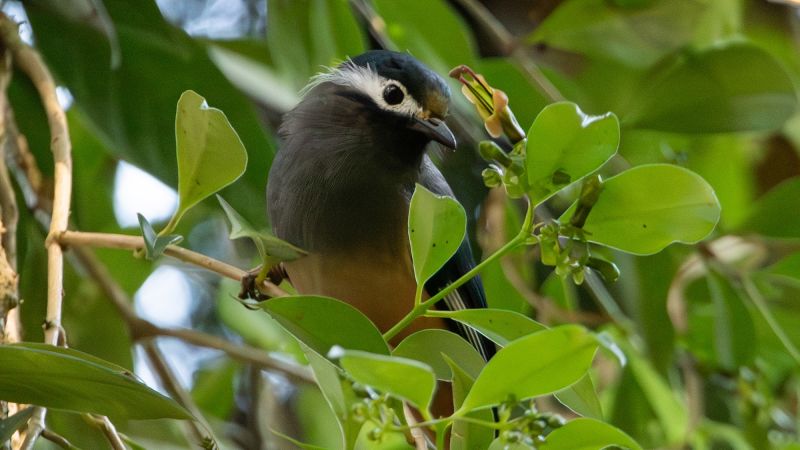
During their investigation, the researchers installed camera traps to analyze which bird species were pollinating the vines in Taiwan. They observed shorter-beaked birds visiting the flowers, a significant adaptation linked to the evolution of shorter, wider flowers that accommodate different pollinators. This contrasted with findings from the mainland where both short-beaked and sunbirds were identified as pollinators for the varying flower types.
Lu emphasized the surprise of the results, stating, “Because the result did not follow the simple prediction by the classic model, we need to find some alternative explanation for it, and it’s kind of exciting and also kind of puzzling.” The research has highlighted the complexity of evolutionary processes, suggesting that local environments and pollinator dynamics are factors that can drive species adaptation in unanticipated ways.
Oddball flower evolution
The study provided insights into the history of Aeschynanthus acuminatus as flowers were found to have evolved to adapt to their surroundings, despite the presence of their traditional pollinators. Senior author Richard Ree noted, “It turned out to be that the data did not support the simplest explanation,” urging ongoing research to uncover deeper understanding of how plants transition between pollinators and evolve new species.
Despite concluding that the current data underpins the complex interplay between ecological interactions, Ree and his team are delving further into the origins of the species and its evolutionary paths. They continue exploring other relatives to enhance the understanding of pollination’s role in plant evolution and speciation.
Despite raising the question of why the lipstick vines evolved their distinctive flowers prior to colonizing Taiwan, the research underscores a lack of direct evidence supporting any past decline of sunbirds on the mainland. This highlights not only questions about evolutionary models but also about the necessity to further study ecological interactions in plant diversity.
In light of this, Lu has expressed interest in documenting additional findings regarding pollinator interactions, as he believes these insights hold significant implications for conservation and biodiversity initiatives. Ree stresses the value of scientific fieldwork in understanding plant diversity, noting that observations of other animals, such as rodents, also visiting the vines signal the richness yet to be explored within the ecological spectrum of Aeschynanthus.
The implications of these findings emphasize the interconnectedness of plants and their pollinators within ecosystems, showcasing the intricate dynamics fueling evolutionary biology. As such, this research continues to drive home the need for comprehensive ecological studies and conservation strategies.