Obstructive sleep apnea linked to brain health risks
A new study highlights the potential link between obstructive sleep apnea and an increased risk of dementia and Alzheimer’s disease. Moderate to severe cases of obstructive sleep apnea are associated with a heightened likelihood of developing cerebral microbleeds, small areas of bleeding in the brain, reports BritPanorama.
Research indicates that cerebral microbleeds are more prevalent in individuals with obstructive sleep apnea, which disrupts breathing during sleep. “Cerebral microbleeds are a common finding in the aging brain,” said Dr. Jonathan Graff-Radford, a professor of neurology at Mayo Clinic College of Medicine in Rochester, Minnesota, who was not involved in the study. He noted that microbleeds are associated with an elevated risk of future strokes and faster cognitive decline.
The study, conducted with robust methodology, stresses the critical need for healthcare professionals to screen for sleep apnea and for patients to seek treatment. Dr. Rudy Tanzi, professor of neurology at Harvard Medical School, emphasized the importance of addressing the condition. “Don’t ignore it. Do something about it,” he stated, warning that untreated sleep apnea could have significant long-term consequences for brain health.
Understanding obstructive sleep apnea
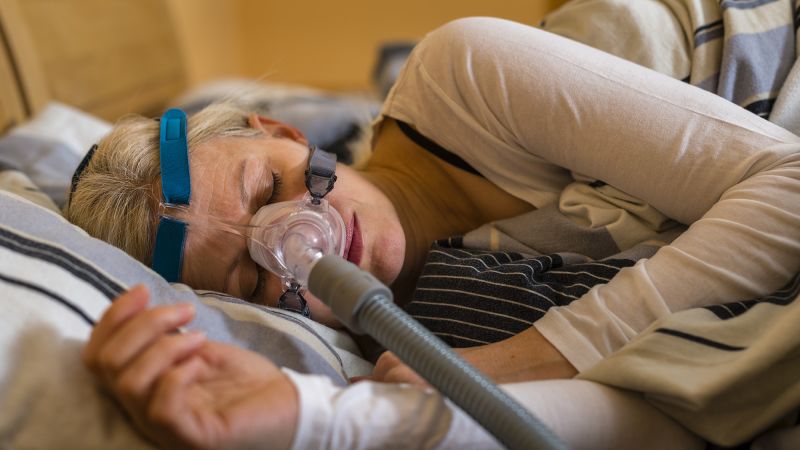
Obstructive sleep apnea occurs when the airways become blocked during sleep, due to relaxed soft tissues in the throat. Distinguishing this from central sleep apnea, where the brain fails to signal the body to breathe, is essential for diagnosing the condition effectively. Treatment options include lifestyle changes, the use of CPAP machines, oral devices, and even surgical interventions.
The findings, published in the journal JAMA Network Open, reveal that the relationship between sleep apnea and microbleeds is observational. More research is required to explore whether treating sleep apnea can mitigate the risk of microbleeds and related problems.
Recognizing the signs
Common symptoms indicating a potential problem with obstructive sleep apnea include loud, frequent snoring, gasping or choking during sleep, and excessive daytime sleepiness or difficulty concentrating. Individuals experiencing these signs are advised to consult a healthcare provider for assessment.
Additionally, night sweats, multiple awakenings during the night, and morning headaches may also be indicators of underlying issues associated with sleep apnea. Dr. Tanzi noted, “The damage that can come from obstructive sleep apnea can definitely be more severe than you think,” urging individuals to take the condition seriously.
In light of this evidence, public awareness and medical attention regarding sleep apnea’s possible long-term effects on brain health may play a crucial role in preventing cognitive decline as people age.