Resistance training for healthy aging
A recent analysis highlights the vital role of resistance training in promoting healthy aging, specifically for older adults. Despite prevalent concerns about injury risks, experts underscore that individuals can safely strengthen their bodies by considering their unique fitness levels and physical limits, reports BritPanorama.
Many older adults grapple with fears surrounding weight lifting, often wondering if it could exacerbate existing aches and pains. However, it is emphasized that starting with resistance training tailored to one’s own capabilities can mitigate potential risks. Establishing a routine that respects individual limitations is not only advisable but necessary.
Experts advocate initiating workouts with body-weight exercises or using exercise bands, which allow gradual progression without excessive strain. This approach not only diminishes the likelihood of injury but also helps in understanding one’s body mechanics, particularly where mobility limitations exist.
Benefits of body-weight exercises
Commencing with body-weight training effectively lays the groundwork for future resistance exercises. It permits individuals to engage in strength-building activities while acutely aware of their physiological responses, fostering safer practice and adaptation.
Moreover, beginning with less aggressive forms of resistance, such as body-weight movements, tends to be kinder on connective tissues, which require time to adjust more than muscles do. This foundational approach is critical for older adults, allowing strength development at a sustainable pace.
Addressing mobility issues
Addressing mobility restrictions early in the training process significantly reduces the chances of injury. Limited range of motion often leads to compensatory movements that can strain joints and muscles. Understanding and correcting these limitations is essential before moving forward with more complex exercises.
A common issue for older adults includes tightness in the hips and restrictions in the upper back, which can impair functionality and increase the risk of injury. Regularly assessing one’s movement capability, even outside the gym, can provide insights into how to improve mobility and subsequently exercise safety.
Foundational movement patterns
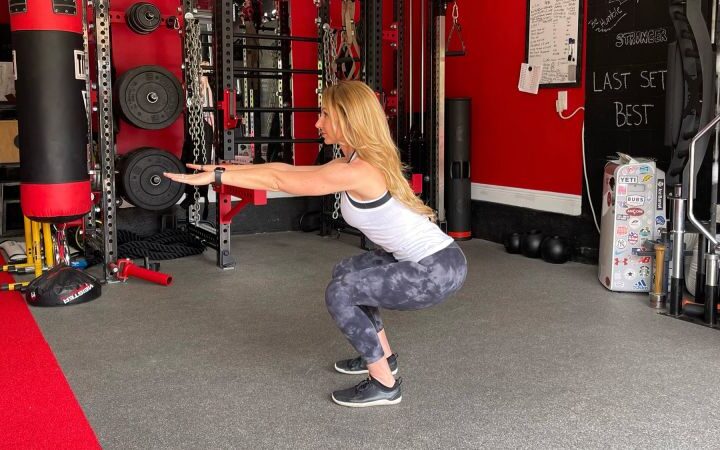
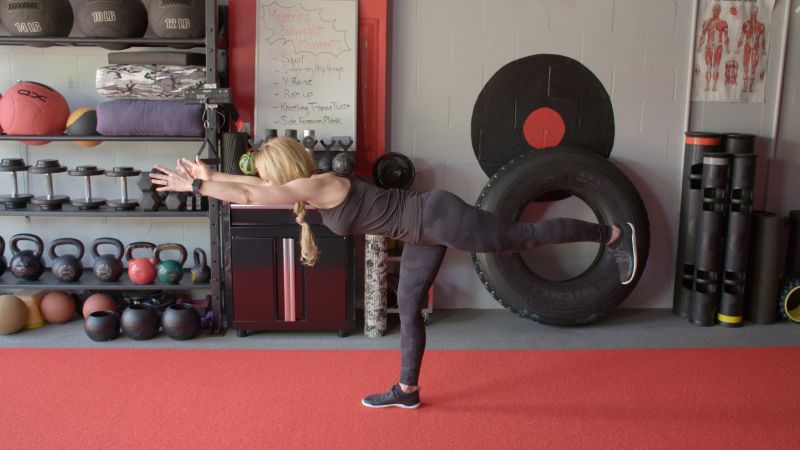
Building strength should focus on foundational movement patterns essential for daily life. Exercises such as squatting, hinging, and stabilizing the core underpin actions like getting up from a chair or climbing stairs. These movements not only enhance strength but also contribute to overall stability, helping to prevent falls.
Beginners are encouraged to initiate their training with simple, effective exercises that can be performed safely at home. Examples include chair squats, wall push-ups, and hip hinges. The recommendation is to aim for two to three sets of eight to twelve repetitions for each type of movement, as proper form and controlled movement become the priority.
Progressive loading and recovery
Once individuals feel comfortable and stable with foundational movements, they can begin to incorporate progressive loading. This means gradually increasing workout demands, whether by adding resistance, shifting to more complex movements, or intensifying exercise duration. The goal is to progressively challenge the body while allowing for recovery to foster strength gains.
Understanding one’s body signals during and after exercises is crucial. While mild muscle soreness is expected during strength training, persistent discomfort or joint pain should prompt a reassessment of the workout plan. It is advisable to consult fitness professionals when needed.
Strength as a pathway to longevity
The focus of resistance training for older adults should not be merely about lifting heavier weights. Instead, it revolves around cultivating a foundational strength that enables independence and stability in daily activities. As participants establish effective training routines rooted in capability and consistency, they reinforce their bodies and enhance their longevity.
This approach aims to create a sustainable fitness journey that respects individual limitations while promoting a gradual increase in strength and functionality. Building strength weaves into the fabric of a healthy and active lifestyle, crucial for aging populations looking to enhance their quality of life.