Measles outbreak in South Carolina reaches alarming levels
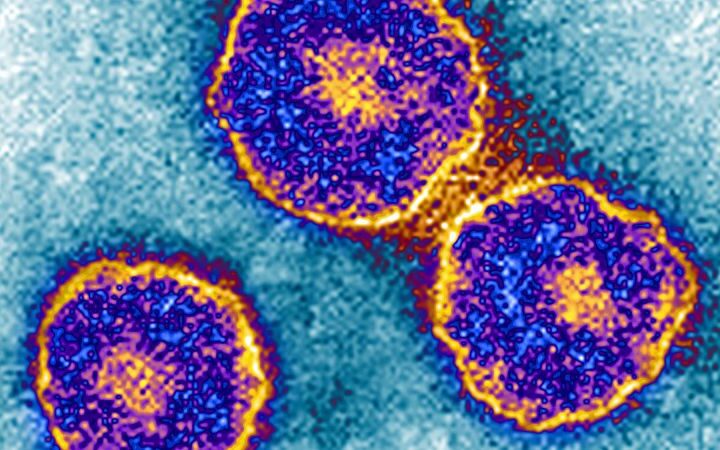
The fast-growing measles outbreak in South Carolina is now the largest in the United States since the disease was declared eliminated in this country more than two decades ago, reports BritPanorama.
With 789 cases reported as of Tuesday, the South Carolina outbreak surpassed a massive outbreak in Texas, which reached 762 cases before it ended in August last year. Two children died during the outbreak in Texas.
Since it first reported cases in October, South Carolina has added over 600 new instances in just 2026. The state health department indicated at least 18 individuals—adults and children—have been hospitalized for complications from measles, but no deaths have been reported.
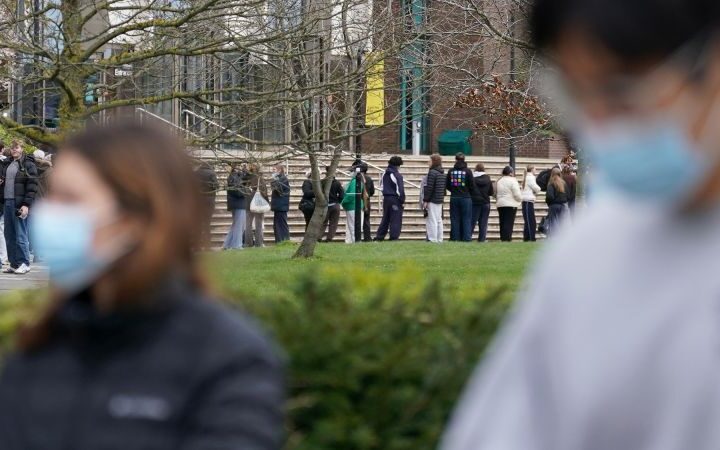
Additionally, 557 people in South Carolina are currently in quarantine due to potential exposure to measles, lacking immunity through vaccination or previous infection. Recent reports have indicated exposures at three additional schools, compounding existing quarantines involving students from 20 others.
Dr. Anna Kathryn Rye Burch, a pediatric infectious diseases physician with Prisma Health in South Carolina, expressed concern, stating, “It breaks my heart to see that my state is the number one outbreak currently in the United States since the 1990s. We have this amazing vaccine that would help protect us all from getting the measles, and we are just seeing that people aren’t as excited about getting that vaccine anymore. This is why we’re seeing measles come back into the United States.”
Cases in North Carolina, Washington, and California have been linked to the South Carolina outbreak, highlighting its expanding reach.
Measles was declared eliminated in the US in 2000, meaning there has not been continuous transmission for over a year at a time. Before 2025, there were an average of about 180 measles cases reported each year since elimination, according to data from the US Centers for Disease Control and Prevention (CDC). However, the US reported more than 2,200 confirmed measles cases in 2025—significantly higher than any year since 2000.
The CDC announced on Friday there have been 416 confirmed measles cases reported in the US so far in 2026, although this number predates the latest figures from South Carolina. At least 14 states have reported confirmed cases this year, with another substantial outbreak occurring along the Arizona-Utah border.
The recent surge in measles cases raises concerns that the US risks losing its elimination status, a decision to be deliberated by the Pan American Health Organization during its meeting in April.
The CDC characterizes measles elimination as “a historic public health achievement,” largely facilitated by vaccination efforts. The measles vaccine was licensed in 1963, and the combination measles-mumps-rubella (MMR) vaccine has been widely available since the 1970s.
The country’s elimination status was previously threatened in 2019 due to large outbreaks in New York, particularly within Orthodox Jewish communities in Brooklyn and Rockland County.
The US Department of Health and Human Services has stated that it is supporting the measles response in South Carolina by providing $1.4 million in requested aid. Coordination between the CDC and state health officials is ongoing to investigate transmission patterns.
However, the federal government’s stance on measles has evolved under HHS Secretary Robert F. Kennedy Jr., known for his skepticism regarding vaccines. While the department acknowledges vaccination as the most effective prevention method, Kennedy has also promoted unconventional treatments, including vitamin A, steroids, and antibiotics.
CDC Principal Deputy Director Dr. Ralph Abraham commented that the ongoing transmission of measles from the January 2025 Texas outbreak has not been definitively proved. He further stated that the loss of measles elimination status would not be “really” significant. “It’s just the cost of doing business with our borders,” he remarked, referring to unvaccinated communities as a matter of personal freedom.
Significantly, the majority of cases in the South Carolina outbreak are among children, almost all of whom were not fully vaccinated with the recommended two doses of the MMR vaccine. More than 700 out of the 789 cases reported as of Tuesday were either unvaccinated or had not completed the vaccination schedule.
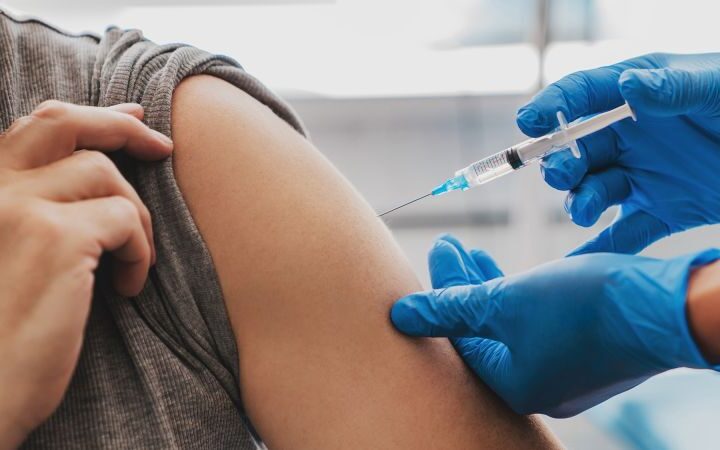
State health officials are urging vaccinations, including through mobile health unit events, in an effort to control the outbreak.
In Spartanburg County, the outbreak’s epicenter, only 90% of students had the required immunizations in the 2024-25 school year, reflecting some of the lowest vaccination rates in South Carolina. Public health experts suggest that a 95% vaccination rate is generally necessary to prevent the spread of measles within a community due to the virus’s highly contagious nature.
The MMR vaccine remains widely accessible through doctors’ offices, pharmacies, and health departments, often free for families via the Vaccines for Children program or health insurance, according to State Epidemiologist Dr. Linda Bell. She emphasized, “As we continue to watch this daily surge in cases, [the Department of Public Health] strongly encourages those who are not protected to take advantage of the opportunity to get protected against unexpected exposures and illnesses now to help us stop this outbreak and to help us protect our communities.”