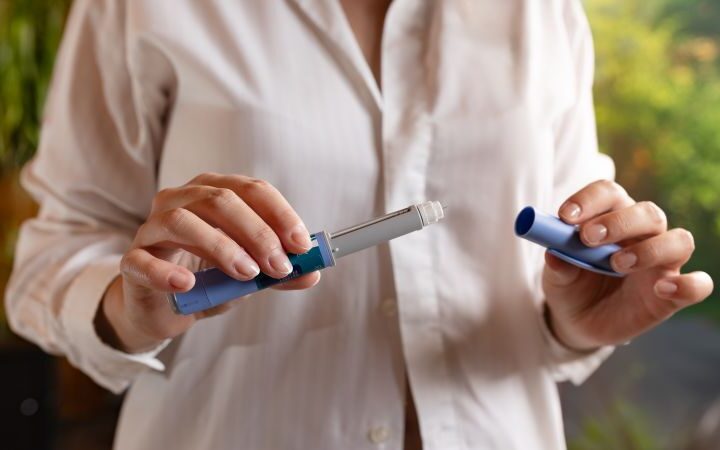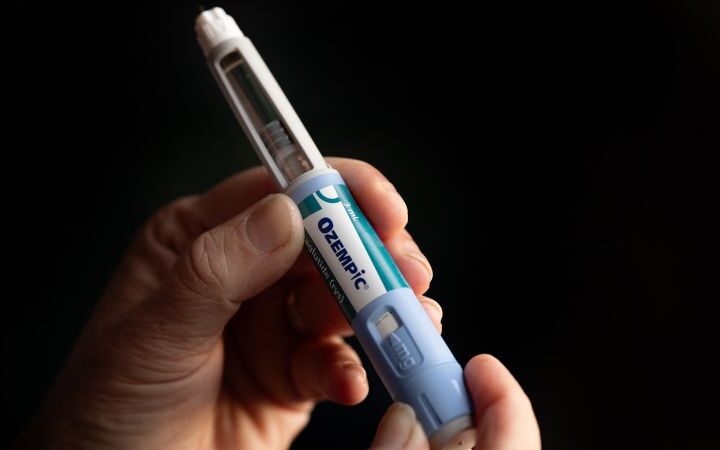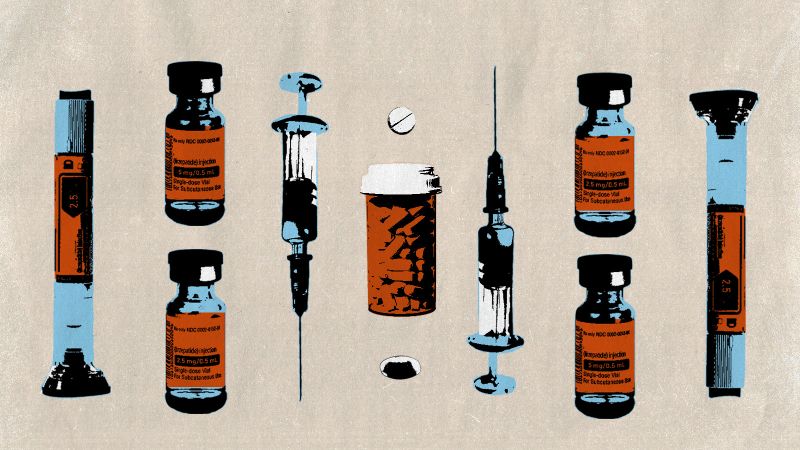
At the end of a seemingly ubiquitous commercial for telehealth company Ro, Charles Barkley expresses astonishment at the news of a GLP-1 pill for weight loss, highlighting the growing innovations in obesity treatments, reports BritPanorama.
The Wegovy pill, approved by the US Food and Drug Administration approximately 10 weeks ago, is already estimated to be part of the daily routine for around 400,000 Americans. Its rapid acceptance reflects a broader shift in weight-loss treatments, with significant changes anticipated in the near future.
A second GLP-1 pill is currently under FDA review, with expectations for it to enter the market soon. In addition, various companies are conducting clinical trials on medications that may require administration only once a month. New findings released this week indicate that subsequent generations of weight-loss medications may surpass existing options in effectiveness.
Dr. Jody Dushay, an endocrinologist at Beth Israel Deaconess Medical Center and assistant professor at Harvard Medical School, noted the emergence of what she termed “phase two” in the use of the GLP-1 system, a development driven by both cost and convenience. The new weight-loss pills, including those already available and those awaiting approval, are becoming significantly more affordable due to pricing agreements established with the Trump administration, despite inconsistent insurance coverages for many patients.
‘Triple G’
Among the promising new treatments is retatrutide, a weekly injectable developed by Eli Lilly, known for its other diabetes and weight-loss medications. This drug introduces an active component, glucagon, alongside two other hormones—GLP-1 and GIP—making it part of the so-called “Triple G” category.
Clinical trials for retatrutide indicate it can lead to significant weight loss, with results showing average declines of up to 29% of body weight after 68 weeks in participants with knee osteoarthritis. Furthermore, it demonstrated improvements in knee pain alongside weight loss.
Recent results from studies focusing on type 2 diabetes have shown that retatrutide can reduce A1C blood sugar levels by roughly 1.7% to 2% at 40 weeks, translating to an average weight loss of 17%, which is a notable improvement over the performance of Mounjaro, another of Lilly’s drugs.
Dr. Judith Korner, director of the Metabolic and Weight Control Center at Columbia University, remarked on the potential advancements represented by drugs like retatrutide, suggesting that they may signify a new tier in obesity treatment. Meanwhile, competitors such as Novo Nordisk are also developing solutions, including CagriSema, although early trials show it has yet to match retatrutide’s efficacy.
While these combinations could benefit those needing extensive weight loss, some experts caution that not every patient requires the most robust treatments available. They emphasize that retatrutide may be best suited for individuals with a body mass index above 45, particularly those who have not had success with existing therapies.
Concerns regarding side effects persist, as gastrointestinal issues remain common with existing treatments, including retatrutide. Patients with compelling results have even reported adverse experiences leading to withdrawal from trials. Dr. Dushay raised a significant concern about the potential for misuse of potent drugs like retatrutide among those seeking modest weight loss.
This issue has already led to preemptive measures, including commercial campaigns from Lilly aimed at discouraging “vanity” use of weight-loss drugs amidst supply challenges.
Two new weight-loss pills
The Wegovy pill, which set a record for the fastest drug launch in its history following its December approval, reflects the changing landscape of weight-loss medication. Initial analyses suggest it has attracted a notable number of new users, particularly those who previously avoided GLP-1 therapies due to their injectable nature. General practitioners are increasingly prescribing these medications, marking a shift in the prescriber’s landscape.
However, the Wegovy pill is expected to soon face competition from Eli Lilly’s upcoming pill, orforglipron, anticipated to receive FDA approval ahead of June. Differentiating factors include the convenience of orforglipron’s dosing schedule, making it a more appealing option for users.
The Wegovy pill has intricate administration requirements, necessitating ingestion with a small amount of water under specific conditions, potentially leading to inconsistent absorption. Dr. Korner indicated that orforglipron’s more straightforward usage could enhance patient compliance and results.
Changes in affordability
Affordability is a crucial factor in the weight-loss medication domain. Patients are currently facing costs as high as $149 per month for the lowest doses of these pills, following a pricing agreement involving the Trump administration. While injectables remain significantly more expensive, some clinicians are observing a trend of patients opting for the Wegovy pill due to insurance complications.
Insurance challenges have been compounded by decisions from providers like Blue Cross Blue Shield of Massachusetts, which recently ceased coverage for GLP-1s used in obesity treatment due to escalating costs affecting premiums.
Medicare has expanded its coverage for some patients, yet not all individuals seeking these medications have access. The ongoing issues with insurance coverage have led clinicians to suggest purchasing the medications directly from manufacturers.
As the landscape of weight-loss medications evolves, factors such as pricing disparities between orforglipron and Wegovy may play a pivotal role in future prescribing decisions, particularly for patients paying out of pocket. The possibility of switching medications based on cost reflects the pragmatic considerations emerging in this rapidly shifting market.