Shingles vaccine may slow dementia progression, study suggests
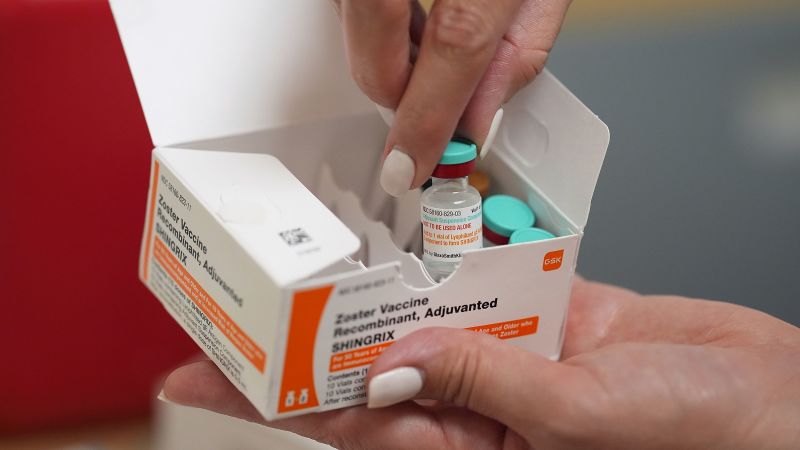
The shingles vaccine not only provides protection against a painful viral infection, but recent research indicates that the two-dose shot might also slow the progression of dementia, reports BritPanorama.
Shingles, caused by the varicella-zoster virus, manifests as a painful rash, with an estimated one in three people in the United States likely to develop it in their lifetime. The risk, along with serious complications, increases with age, prompting recommendations for two doses of the shingles vaccine for adults aged 50 and older.
Vaccination is reported to be more than 90% effective at preventing shingles in older adults, but emerging studies have highlighted other potential benefits. A study published in the journal Cell suggests that the vaccine may not only reduce the risk of developing dementia, but could also serve as a therapeutic agent, possibly leading to a lower probability of dying from the disease.
Dr. Pascal Geldsetzer, assistant professor of medicine at Stanford University and senior author of the study, noted, “We see an effect on your probability of dying from dementia among those who already have dementia.” He emphasized that the vaccine’s benefits extend beyond prevention, suggesting it may offer therapeutic potential.
Geldsetzer expressed excitement over the findings, stating, “This was really exciting to see and unexpected.” The previous research indicated a “dementia-preventing” or “dementia-delaying” effect linked to shingles vaccination.
The analysis revealed that vaccination resulted in a 3.5 percentage point reduction in the probability of new dementia diagnoses over seven years among older adults in Wales, where a shingles vaccination program was implemented for 70-year-olds since September 2013.
By comparing health data of vaccinated individuals who were 79 with those who were ineligible for the vaccine due to age, the researchers could confidently conclude a causal relationship rather than a mere correlation, as both groups shared similar lifestyle factors.
Current findings indicate that vaccinated adults saw a 3.1 percentage point decline in the risk of being newly diagnosed with mild cognitive impairment over nine years, with stronger protective effects observed among women. Furthermore, older adults with dementia who received the shingles vaccine had a remarkable 29.5 percentage point decrease in mortality risk due to the disease over the same timeframe.
“It seems to have these strong benefits across the entire disease course,” Geldsetzer remarked, as he anticipated further research to validate these findings through randomized clinical trials.
While the study unveils a potential link between shingles vaccination and improved dementia outcomes, the underlying mechanisms remain speculative. Geldsetzer suggested two possible explanations: first, that the virus causing shingles may provoke chronic inflammation in the nervous system, contributing to dementia, hence vaccines could mitigate this risk; second, the vaccine may bolster the immune system’s overall efficacy against infections known to correlate with increased dementia risk.
Experts acknowledge the importance of the study but highlight that a direct cause for the observed effects remains unknown. Dr. Angelina Sutin, a behavioral sciences professor, urges a multifaceted approach to brain health, including discussing vaccination with healthcare providers. She stated, “This research sets a strong foundation for future research to find out why it is so protective.”
As the conversation around vaccination continues, neurologists like Dr. Joel Salinas urge caution, emphasizing the need for additional studies to confirm the potential cognitive benefits of the shingles vaccine, especially in the context of newer vaccines that have since been introduced.
The ongoing examination of the relationship between shingles vaccination and cognitive health underscores the complexity of dementia research and the necessity of thorough scientific inquiry.