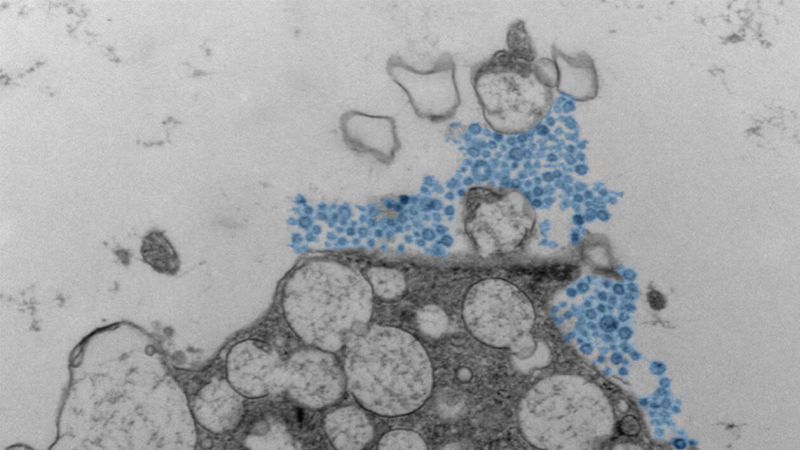
Key insights into rhinovirus infections and asthma responses
Researchers have uncovered critical insights into why rhinovirus infections trigger differing symptoms in individuals, with some experiencing severe asthma attacks while others face mild colds. This revelation stems from studies conducted at Yale University, wherein scientists investigated the cellular responses to rhinovirus infections through comprehensive observation methods, reports BritPanorama.
Dr. Ellen Foxman, an associate professor at the Yale School of Medicine, noted that rhinovirus is the predominant cause of asthma attacks. Previous personal experiences with her son’s asthma led her to question why the same virus could provoke such varied responses among different people. “In fact, rhinovirus infection is the most common trigger of asthma attacks,” she stated.
The researchers focused on how quickly nasal cells respond to rhinovirus infections. A swift response can limit the infection to a small percentage of cells, potentially resulting in no symptoms. However, a delayed or inhibited response can lead to significant inflammation and mucus production, markedly increasing the risk of severe reactions.
Foxman emphasized the essential role of the body’s interferon response—an immediate immune reaction to viral infections. Their study indicated that an efficient interferon response can confine the infection, while a delayed response exacerbates the situation. This understanding was detailed in a recent study published in the journal Cell Press Blue.
The research involved cultivating nasal cells from healthy adults in a laboratory environment to observe their behaviors when exposed to rhinoviruses. When the interferon response was activated swiftly, the infection was limited to less than 2% of nasal cells. On the contrary, if this response was blocked, infection rates surged, resulting in extensive mucus production and inflammation.
Despite these findings, questions remain about factors that may lead to a diminished interferon response. Foxman stressed that additional research is needed to explore these variances in real-life contexts. “For now, this study is a first step in enhancing our understanding of nasal responses during rhinovirus infections,” she remarked.
Dr. Dan Barouch, director of the Center for Virology and Vaccine Research at Beth Israel Deaconess Medical Center, noted that while the study offers valuable insights, validating these findings in real-world scenarios remains vital. Factors influencing immune responses, including previous infections and genetic predispositions, could play a significant role in determining individual reactions to rhinoviruses.
As understanding deepens about how individual immune responses shape public health implications, the scientific community remains focused on identifying potential therapeutic strategies to mitigate symptoms associated with such viral infections. This evolving discourse underlines the complex interplay between viruses and human health.