Rural cancer patient gains access to treatment close to home
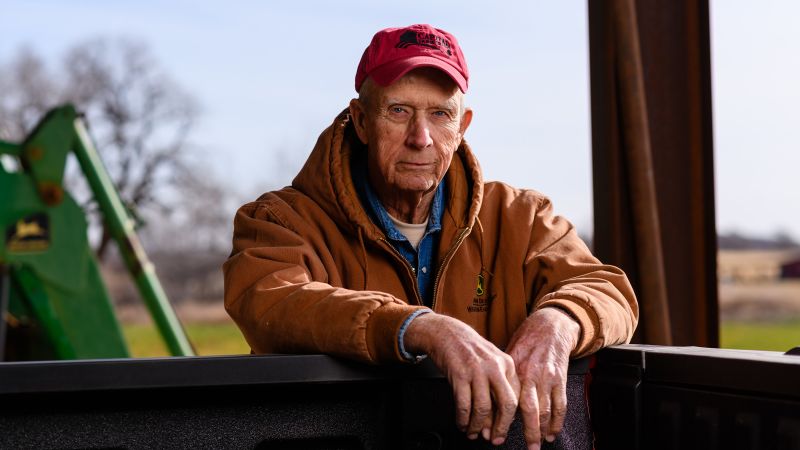
Andy Henard, a 76-year-old rancher in North Texas, was faced with a grave challenge after being diagnosed with stage IV bladder cancer in late 2023. Following a previous battle with prostate cancer, this diagnosis prompted Henard to seek advanced treatment options, leading him to MD Anderson Medical Center in Houston, reports BritPanorama.
Despite the daunting logistics associated with rural healthcare, Henard was relieved to discover that he could receive chemotherapy locally at Childress Regional Medical Center, just 30 minutes from his ranch. This revelation spared him and his family from the substantial upheaval of relocating to Houston for treatment.
Childress Regional Medical Center, which had expanded its capabilities by opening an infusion center in 2013, has successfully catered to oncology patients like Henard. Local leaders were motivated to enhance cancer care after the loss of Terry Olay, a coordinator who died of cancer, highlighting the urgent need for accessible treatment options in rural areas.
Henard and his family, who have cultivated wheat, cotton, and peanuts, as well as raised cattle for over a century on their land, are part of a broader trend of rural patients confronting significant barriers to effective healthcare. Although cancer rates are similar in urban and rural settings, those in rural areas are statistically more likely to die from the disease, often due to late diagnoses and limited treatment access.
A study by the American Cancer Society noted that rural patients experience delays in receiving care, primarily because they do not see doctors early enough. Henard’s experience exemplifies this issue, as rural cancer patients often contend with lengthy travel times to get the necessary treatment.
Dr. Fred Hardwicke at Childress plays a crucial role in the evolving oncology landscape of the area. His commitment to serving local patients led him to establish a full-time oncology clinic, addressing a pressing need in rural healthcare provision. Yet, challenges persist. The oncology workforce faces significant shortages, with young specialists hesitant to practice in rural locales, a trend predicted to worsen in the coming years.
For Henard, the treatment involved a combination of immunotherapies which, while taxing, ultimately led to a cancer-free status by the fall of 2024. Despite the difficulties of chemotherapy, including severe weight loss and persistent fatigue, he expressed gratitude for the support he received from the local community and healthcare providers.
Although Henard’s journey concluded successfully, the ongoing healthcare challenges in rural America remain formidable. In light of these systemic issues, healthcare administrators stress the importance of innovative solutions, such as telehealth services, to enhance access for patients in underserved areas.
As rural hospitals face increasing financial pressures, particularly in light of forthcoming changes to insurance coverage, the story of Henard underscores both the resilience and the critical needs of rural cancer patients navigating complex healthcare landscapes.