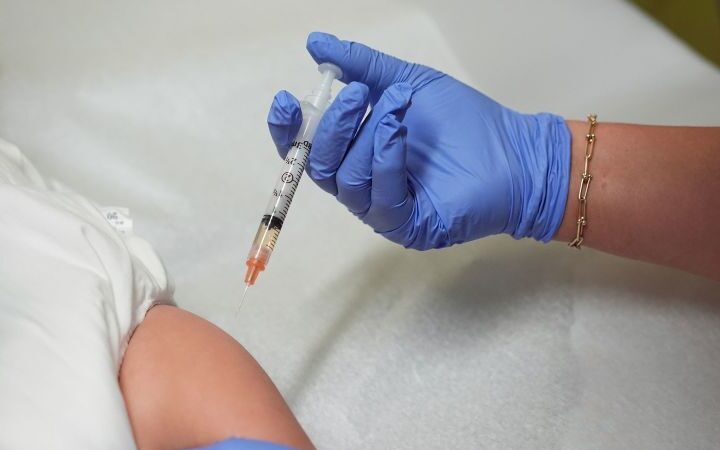
Respiratory syncytial virus (RSV) is continuing to spread later into the spring than usual, prompting most states in the U.S. to extend the window for RSV immunizations for eligible infants and toddlers, reports BritPanorama.
Typically, RSV causes mild cold-like symptoms but can lead to severe illness in young children. The RSV season generally begins in the fall, peaks in winter, and usually tapers off in spring. While immunization is usually recommended until the end of March in most states, the current season has seen nearly all states extending the immunization period through the end of April.
Data from the third week of March indicates that 7.5% of tests returned positive for RSV, a notable increase compared to the 5% positivity rate at the same time last year. This uptick highlights a sustained level of RSV infections, with many areas continuing to report elevated emergency department visits and hospitalizations. “RSV peaked later than usual this year,” noted Dr. Susan Kansagra, chief medical officer for the Association of State and Territorial Health Officials. She emphasized the importance of ongoing immunization efforts due to persistent transmission rates.
Health experts are particularly concerned because RSV is the leading cause of hospitalization among infants. Monoclonal antibodies can significantly reduce the risk of severe illness, and immunization with these antibodies is recommended for vulnerable infants. According to the U.S. Centers for Disease Control and Prevention (CDC), two to three out of every 100 infants under three months are hospitalized with RSV annually, with tens of thousands already affected this season.
The American Academy of Pediatrics recommends administering monoclonal antibodies to prevent infections in infants and young children. A recently published CDC study indicated that hospitalization rates for RSV in infants up to seven months old during the 2024-25 season were lower than in previous years, attributed to the availability of these immunizations.
Which states are extending immunization
In mid-March, the CDC urged states to evaluate their local RSV data. The Association of Immunization Managers collaborated with 66 federally funded immunization programs across states, territories, and major cities, aiming to assess responses to ongoing virus activity. By Wednesday, 48 jurisdictions had extended their RSV season through at least April 30.
This extension allows jurisdictions to order immunizations through the federal government’s Vaccines for Children program for an additional month and encourages continued administration of RSV immunizations while activity remains high. “Our hope is that by extending the administration period for RSV immunizations, we can continue to keep babies out of the hospital,” said Dr. Tao Sheng Kwan-Gett, Washington state health officer.
Ten jurisdictions, including Florida, Hawaii, and Oregon, have year-round RSV seasons or pandemic conditions that do not warrant an extension. States such as Louisiana and Washington, D.C., have opted not to extend their immunization periods, while Missouri and Virginia will review requests on a case-by-case basis.
Experts have noted a shift in RSV seasonality this year, attributing potential changes to various environmental and behavioral factors. Dr. Jennifer Nuzzo, an epidemiologist, remarked on the importance of aligning public health responses with actual disease trends rather than fixed schedules. This season marks a notable first in extending immunization periods for RSV, reflecting the evolving understanding of viral dynamics.
The additional month for RSV immunizations holds promise for protecting vulnerable infants. “Ten thousand babies are born each day,” Dr. Fiscus remarked, highlighting the urgency of preventative measures as RSV continues to circulate.