Surge in hand, foot and mouth disease cases reported in mid-Atlantic region
Health officials in the mid-Atlantic region have recently reported a rise in hand, foot and mouth disease, or HFMD, with notable increases in emergency department visits. In September alone, there were 197 emergency department visits related to the disease, primarily among children younger than 5, according to the District of Columbia Health Department, reports BritPanorama.
The Virginia Department of Health is also observing considerable increases in both emergency department and urgent care visits for HFMD. Compared with previous years, there has been a marked rise in reported outbreaks in Virginia and West Virginia, with schools and day care centres accounting for the majority of cases.
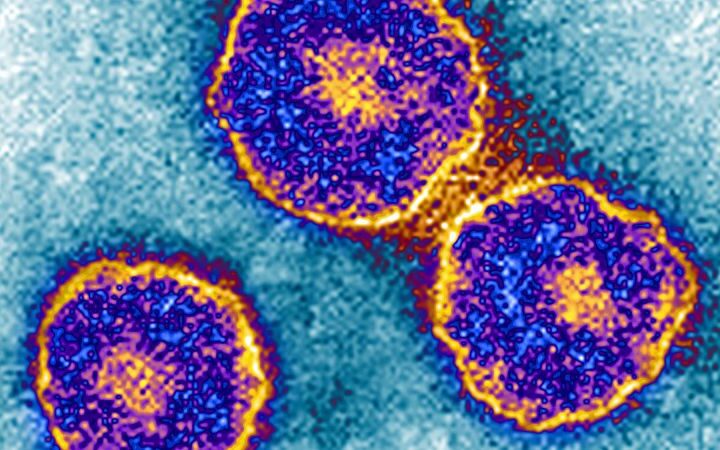
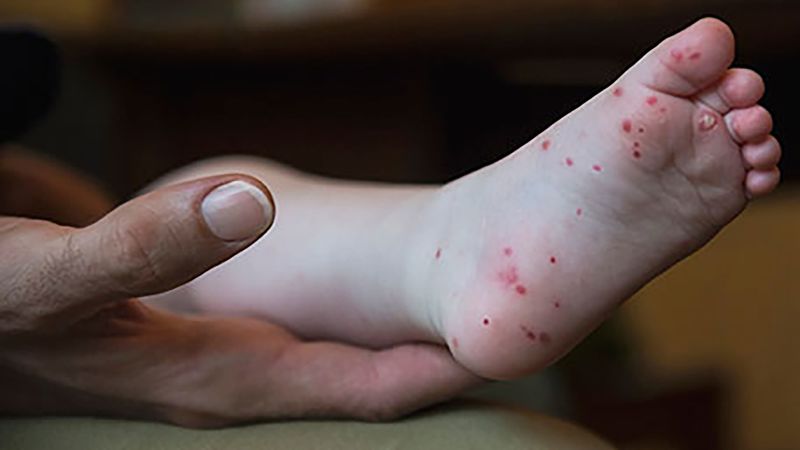
Hand, foot and mouth disease is a highly contagious viral illness caused primarily by coxsackievirus A16. It mostly affects infants and young children, though adults can contract the virus as well, albeit less frequently. The disease gets its name from the small blister-like sores that appear on the hands, feet, and inside the mouth. While the illness can be uncomfortable, it generally resolves on its own without requiring specific treatment.
The illness spreads easily through close personal contact and contaminated surfaces. Infection can occur through droplets released when an infected person coughs or sneezes, and it can also transmit via direct contact, such as hugging or sharing utensils. Additionally, the virus is present in stool, meaning changing diapers or assisting a sick child can be a risk if proper hygiene is not observed.
Symptoms typically start within three to five days after exposure, beginning with fever, sore throat, and general malaise. Within a day or two, painful spots may develop in the mouth, followed by a rash on the hands and feet. Most cases clear up within about a week to ten days, with hydration being crucial during recovery.
Health care providers usually diagnose HFMD based on symptoms and recent exposure to infected individuals. There is no specific medication to cure the disease; treatment focuses on alleviating symptoms, such as using over-the-counter pain relievers. Parents are advised to monitor their children closely, particularly if hydration becomes an issue.
In light of the current outbreaks, experts recommend that parents keep children home from school or day care if they exhibit symptoms until they recover sufficiently to avoid further transmission. Local health departments may impose additional measures during outbreaks to contain the spread.
As HFMD cases rise, maintaining hygiene through regular handwashing and proper sanitization of surfaces remains paramount in reducing infection rates in vulnerable communities.