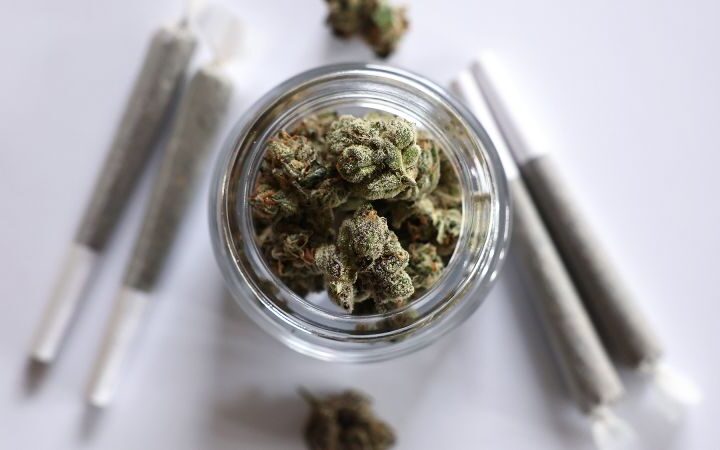
Patients across the United States are reporting severe bouts of vomiting linked to cannabis use, with many describing the pain as worse than childbirth, reports BritPanorama. The phenomenon, referred to on social media as “scromiting,” is medically recognized as cannabis hyperemesis syndrome (CHS) and is becoming increasingly prevalent, particularly among habitual cannabis users, including teenagers, who frequently visit emergency rooms for treatment.
Dr. Sam Wang, a pediatric emergency medicine specialist at Children’s Hospital Colorado, notes that patients often present with severe abdominal pain and persistent nausea. “They are writhing, holding their stomach, complaining of really bad abdominal pain and nausea,” he explained. The condition can lead to hours of continuous vomiting, during which patients sometimes attempt to alleviate their symptoms by taking hot showers, which they claim provides relief.
Treatment generally involves administering anti-nausea medications and IV fluids to address dehydration caused by vomiting. However, a comprehensive diagnostic process—including blood tests and imaging studies—is necessary to rule out other possible medical issues. Wang highlights that some adolescents are experiencing repeated admissions to the ER, indicating a worrying trend where patients return multiple times within a short period.
“For some of our kids, this is their fifth ER visit in the past two months, with symptoms that they can’t control,” Wang noted. If treatment is delayed, CHS can lead to potentially life-threatening complications, including electrolyte disturbances and organ failure.
A bizarre condition
Cannabis hyperemesis syndrome was first identified in 2004 in Australia, where researchers noted chronic marijuana users experiencing repeated episodes of severe abdominal distress. Observations indicated that symptoms typically subsided upon cessation of cannabis use but reoccurred upon its resumption. Interestingly, many patients reported finding relief through hot baths or showers, a theme that has persisted in case studies.
Remarkably, the phenomenon of seeking hot showers to manage symptoms is widespread among affected individuals. “It’s pretty universal for these patients to say they need a really, really hot shower, or a really hot bath, to improve their symptoms,” Wang stated.
The reasons behind this odd requirement are not fully understood. One theory proposes that the psychoactive component of cannabis, tetrahydrocannabinol (THC), interacts with the body’s pain receptors, and the extreme heat might help interrupt the pain cycle, temporarily alleviating symptoms.
What complicates the issue further is that THC has been used medically to relieve nausea and vomiting, particularly among cancer patients undergoing chemotherapy. Nevertheless, research on the effectiveness of cannabis for managing nausea has been mixed, raising questions about its dual role in both alleviating and inducing gastrointestinal distress.
Wang notes that rising THC concentrations in cannabis products could play a crucial role in CHS. “It’s been well documented that the amount of THC that now comes in cannabis is increasing substantially,” he explained, with current concentrations ranging from 15% to 20%, compared to only 4% to 5% in the 1990s.
Furthermore, not all frequent cannabis consumers suffer from CHS, leaving researchers puzzled about the specific factors that predispose individuals to develop this syndrome. “Is it a certain frequency or duration of use? Is it a specific potency? Or is it a specific type of product? We don’t have that data,” Wang acknowledged.
CHS is on the rise
Statistical data confirms that CHS is becoming a widespread issue. A study published in 2020 revealed that nearly 20% of individuals hospitalized for cyclical vomiting reported cannabis use between 2005 and 2014, when marijuana was legally restricted primarily to medical use. Following the legalization of recreational cannabis in Colorado in 2012, reports of cannabis-related vomiting surged, with Wang noting over 800,000 cases documented from 2013 to 2018—a 29% increase since legalization.
Recent research indicates that emergency room visits among adolescents aged 13 to 21 for CHS increased more than tenfold between 2016 and 2023, with a notable rise in cases during the pandemic years of 2020 and 2021. However, existing studies have faced challenges due to the absence of a medical diagnosis code for CHS, which has hindered objective tracking and analysis of its prevalence.
On October 1, 2025, a significant development occurred when a US federal committee established an official medical diagnosis code for cannabis hyperemesis syndrome. This change, mirrored by the World Health Organization, is expected to enhance researchers’ ability to study and track the condition, promising a deeper understanding of this unusual and complex syndrome.