President Donald Trump’s nominee for surgeon general, Casey Means, has been engaged in efforts for over a month to secure private meetings with Republican Senators Lisa Murkowski and Susan Collins, who are poised to block her nomination. These meetings, however, have not occurred, leaving both senators noncommittal about their voting intentions, reports BritPanorama.
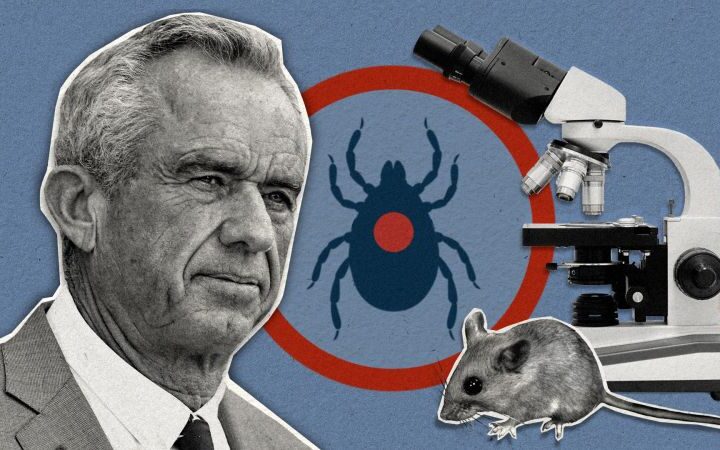
The hesitation surrounding Means’ confirmation reflects a broader discontent among some Republicans regarding the Health and Human Services Secretary Robert F. Kennedy Jr. and his controversial public health policies, including vaccine reforms. Murkowski, expressing reservations as recently as mid-March, stated she is “not enthusiastic about” the nominee.
As skepticism mounts, Means’ candidacy remains stalled, complicating Kennedy’s agenda, which has aimed to promote what he terms a “Make America Healthy Again” initiative. A recent court ruling reversing key parts of Kennedy’s vaccine changes has further diminished his influence, raising questions about his standing within the administration and his viability in the upcoming midterm elections.
As Kennedy’s authority has waned, insiders indicate that Republicans are now leveraging opposition to Means’ nomination as a tactic against him. “Their only leverage against him is trying to stop these nominees, or at least slow them down,” noted one insider familiar with the dynamics. Speculation also swirls regarding the potential withdrawal of Means’ nomination by Trump, who has suggested that alternatives could be found.
Reining in MAHA
Internally, Kennedy and his core supporters face significant challenges in balancing the increasing policy oversight from the White House with the expectations of advocates backing the MAHA initiative. Tensions have spilled into public discourse, revealing frustration within Kennedy’s ranks about perceived dysfunction at the federal health agency, particularly in light of a Massachusetts court blocking Kennedy’s revised vaccine recommendations.
Dr. Robert Malone, a proponent of Kennedy’s previous vaccine measures, resigned from the advisory committee after the court ruling, which has yet to be appealed. Malone criticized the government’s defense of Kennedy’s actions, indicating deep dissatisfaction with ongoing developments.
Senate deadlock
Public health nominess like the surgeon general are typically seen as uncontroversial, yet Casey Means’ confirmation process has exposed fissures between moderate Republicans and supporters of the MAHA platform. During her tense Senate hearing in February, senators including Cassidy and Murkowski raised alarms over vaccine policies and their implications for public health.
Means’ attempt to navigate such scrutiny highlights the precarious nature of her candidacy. Cassidy’s insistence on effective communication from the surgeon general underscores the weight of these issues as public health remains a contentious topic in American politics.
The unfolding situation regarding Means’ nomination and its implications not only reflect internal party dynamics but also underscore broader electoral stakes, as health policy becomes increasingly central to voter sentiment ahead of the midterms. The narrative continues to evolve amid the interplay of partisan interests and public health considerations.